Glass Weave Skew inside a Differential Pair Budget
Mitigate glass weave skew by specifying mechanically spread low-Dk glass fabrics and dual-ply stackups to keep phase skew below 0.8 ps/inch across differential pairs.
Mitigate glass weave skew by specifying mechanically spread low-Dk glass fabrics and dual-ply stackups to keep phase skew below 0.8 ps/inch across differential pairs.
Stackup selection balances resin flow, z-axis dielectric constants, and panel utilization to fix bare-board cost, impedance tolerances, and factory pool.
Multilayer power distribution field escape risk requires bench near-field scanning and transfer impedance limits to prevent far-field compliance chamber failures.
Peripheral coupon TDR reports require empirical offset adjustments derived from physical microsections to accurately reflect functional internal board impedance.
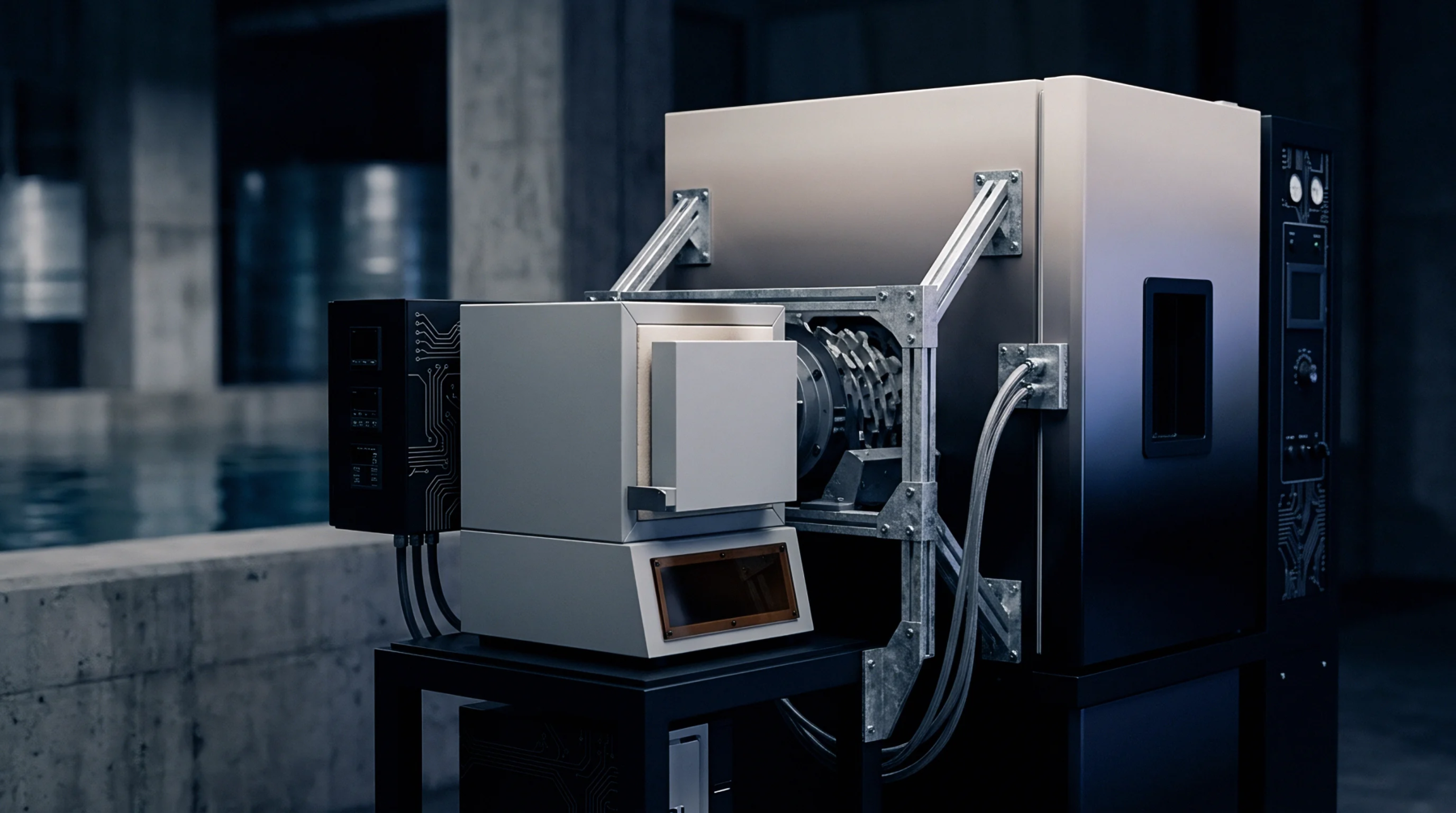
Mechanically spread glass fabrics flatten yarn bundles to eliminate resin-rich windows, stabilizing relative permittivity and preventing high-speed differential skew.
Rigid-flex architecture eliminates discrete connector failures and signal discontinuities while reducing assembly labor, justifying higher bare-board costs.
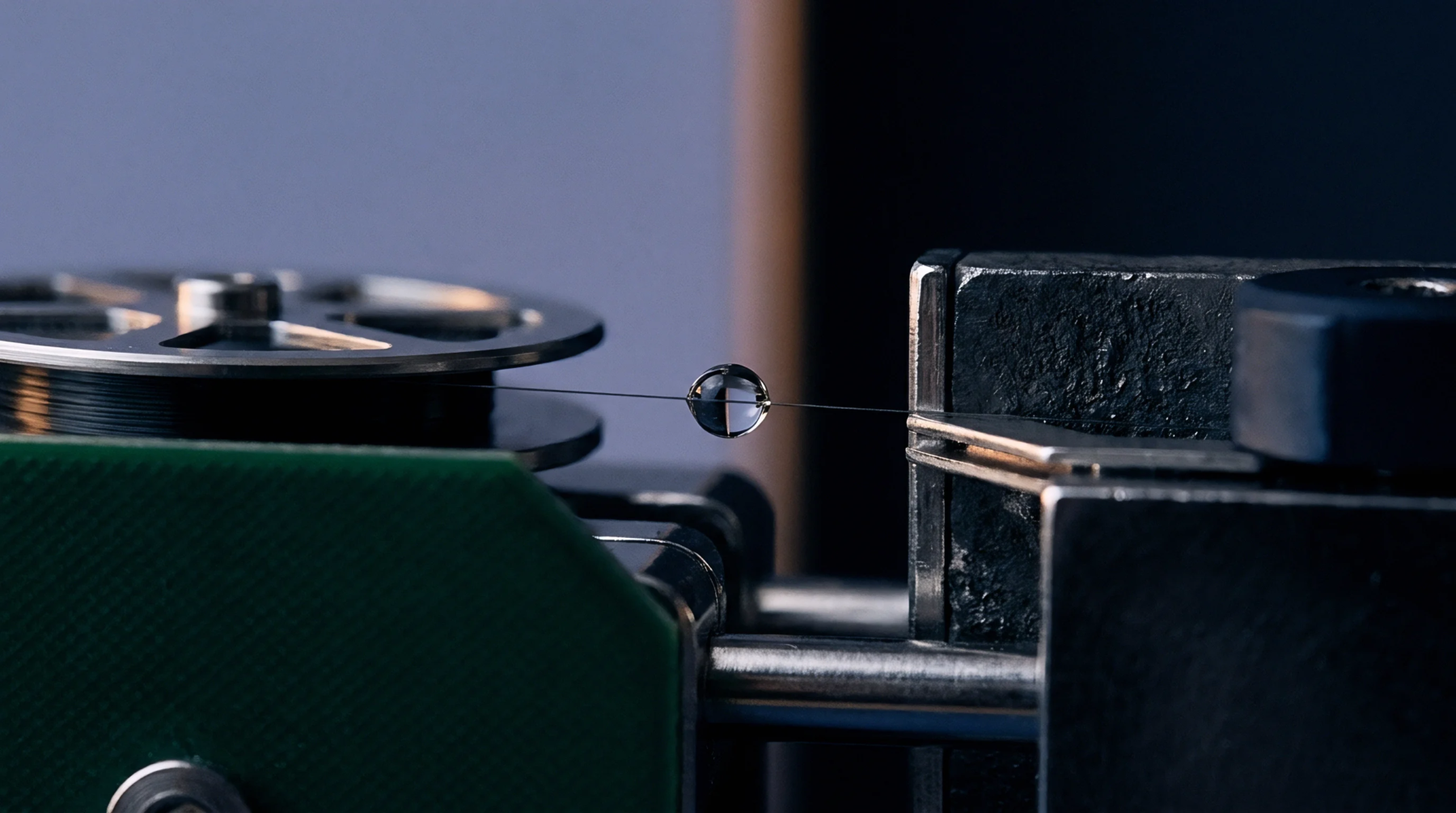
Standard panel coupon architectures must balance border placement against current density gradients to ensure microsections accurately reflect internal board quality.
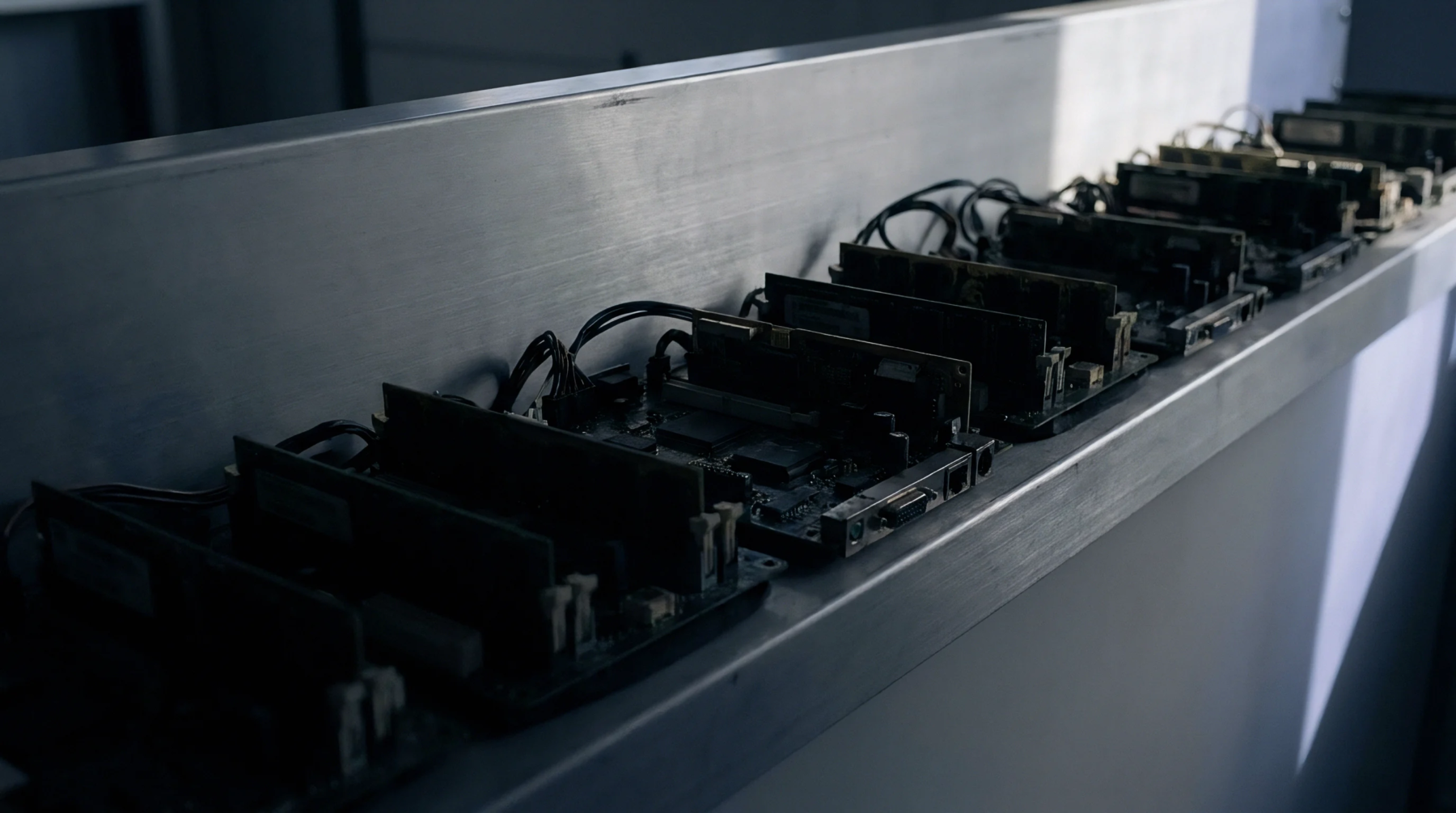
Modeling structural failure escape rates on hybrid AC-coupled serial nets requires combining IEEE 1149.6 boundary scan with automated X-ray inspection.
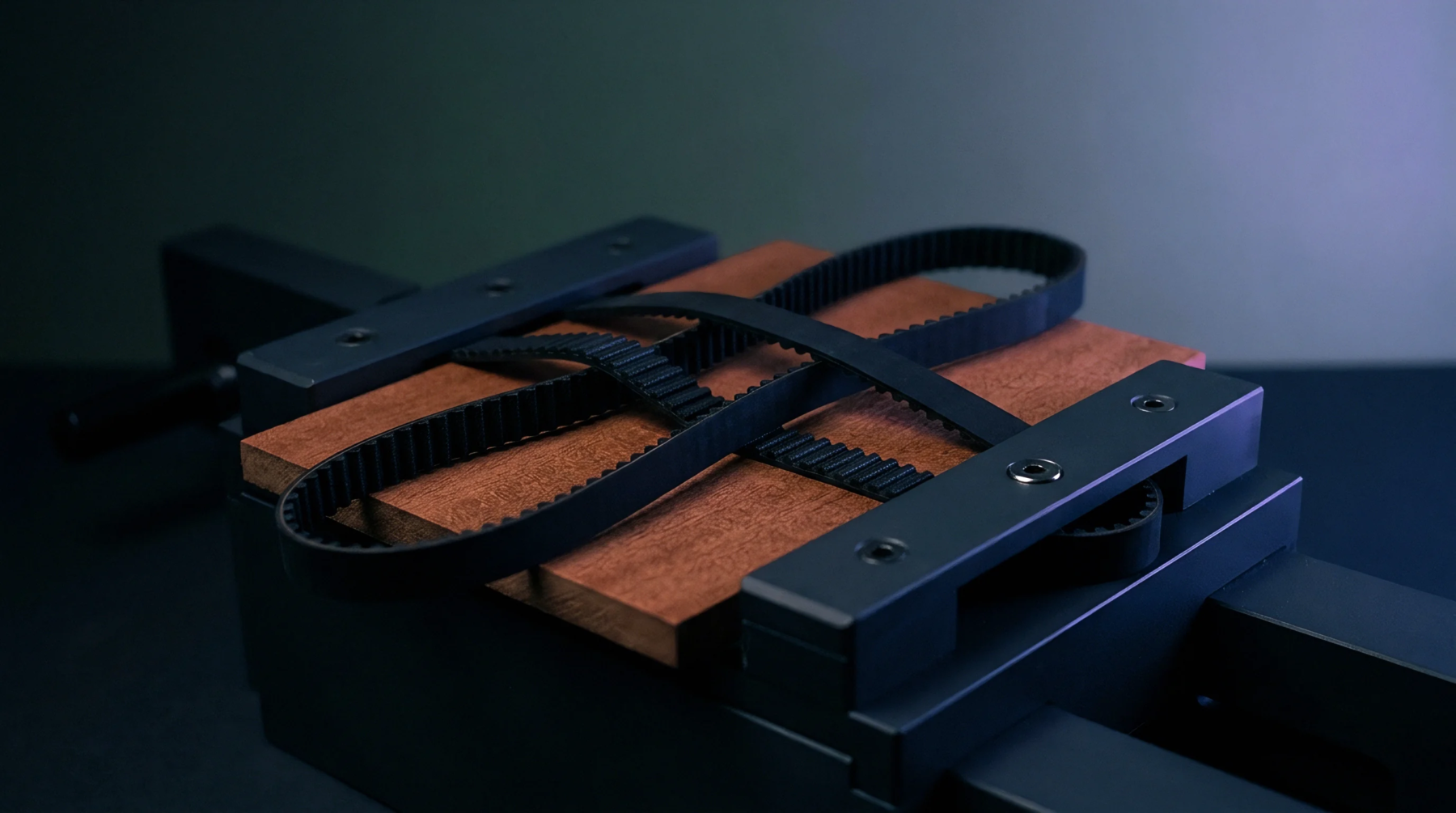
Subassembly press hydraulic parallelism and thermal ramp control determine resin distribution, eliminating dielectric height variation and differential signal phase skew.
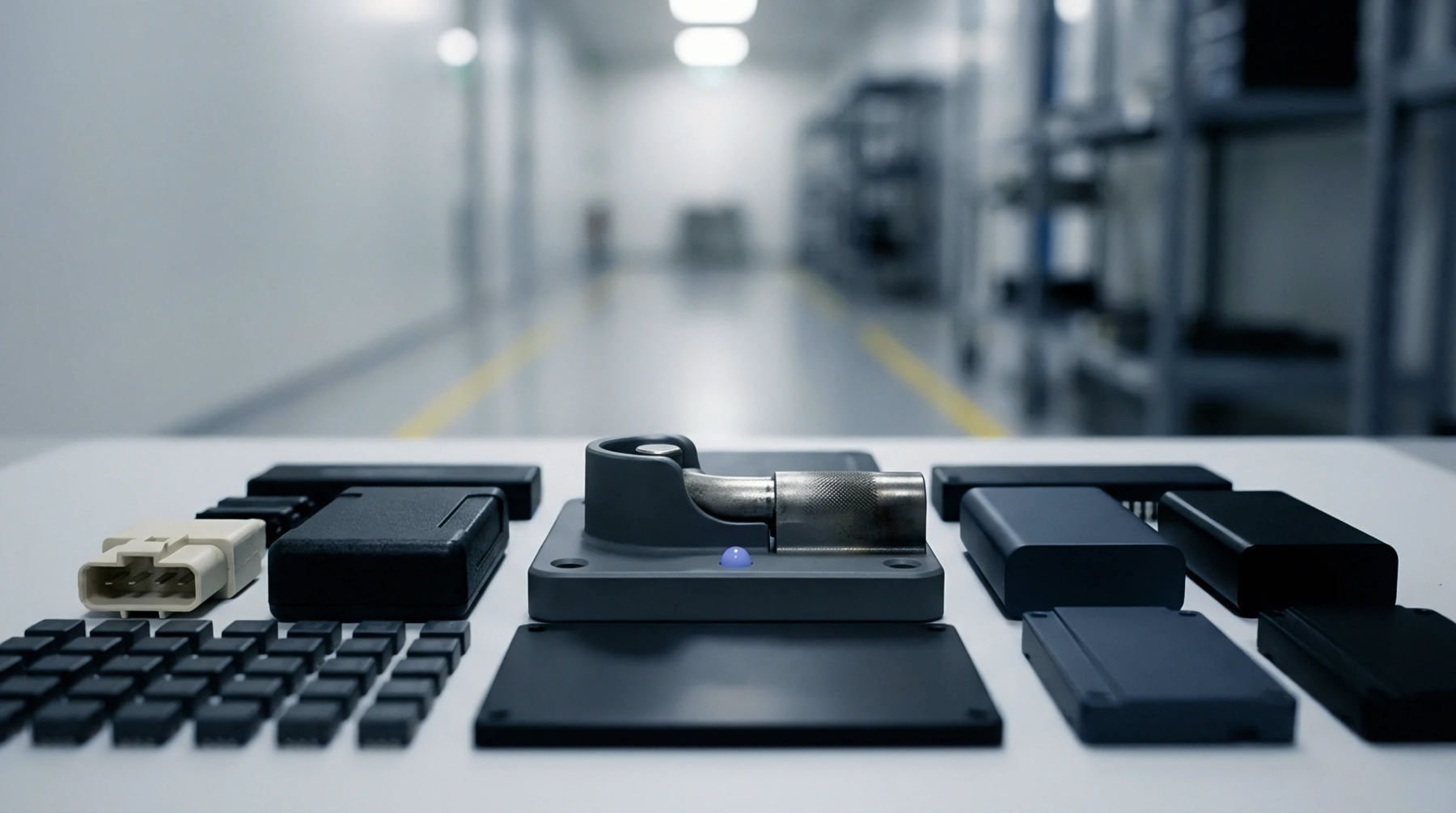
Multilayer directional permittivity variance causes stripline capacitance shifts that must be corrected by modeling in-plane and out-of-plane dielectric constants separately.
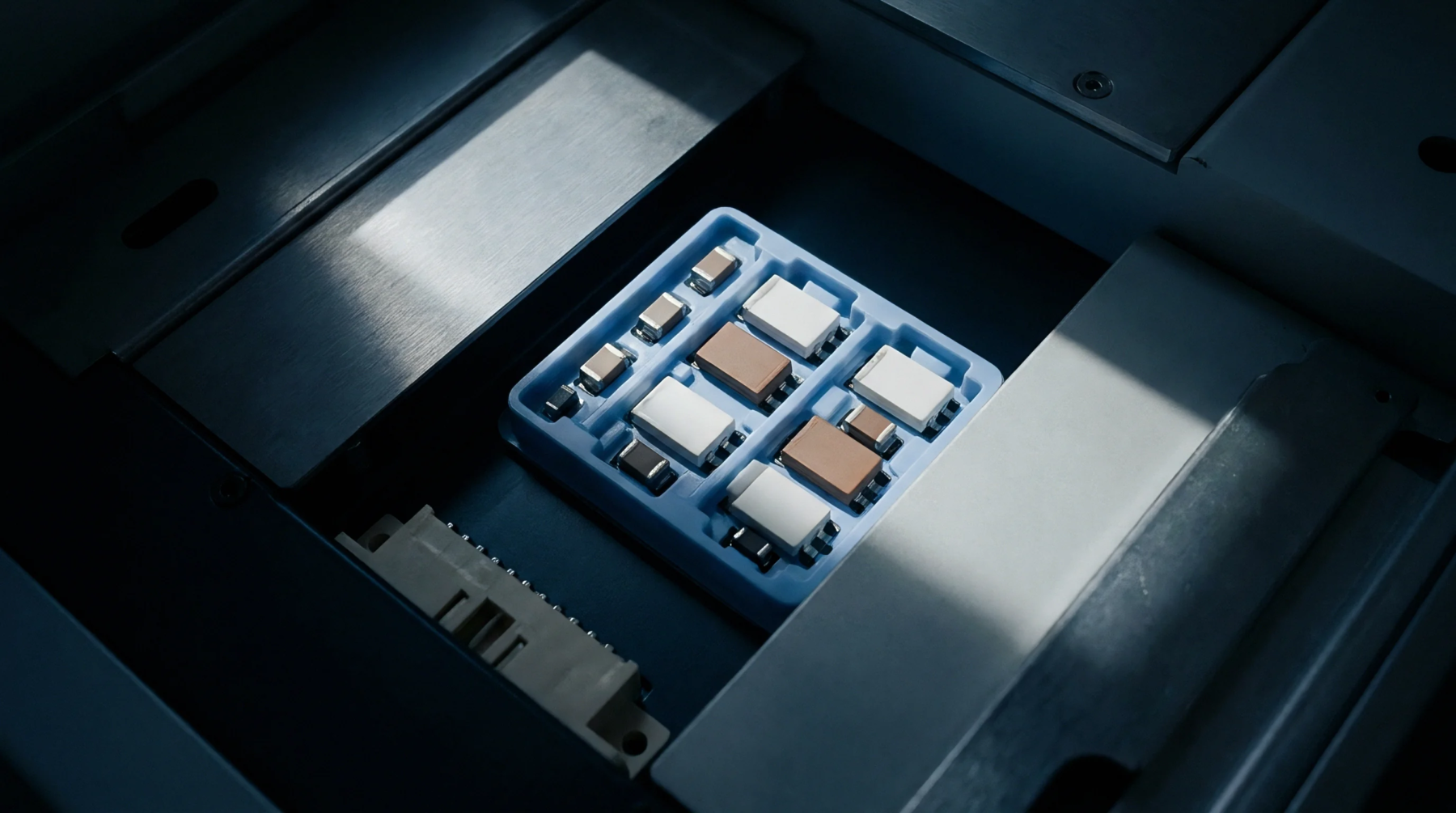
Latent microvia interfacial fatigue opens during thermal transients to cause intermittent high-speed signal failures detectable only by dynamic four-wire thermal screening.
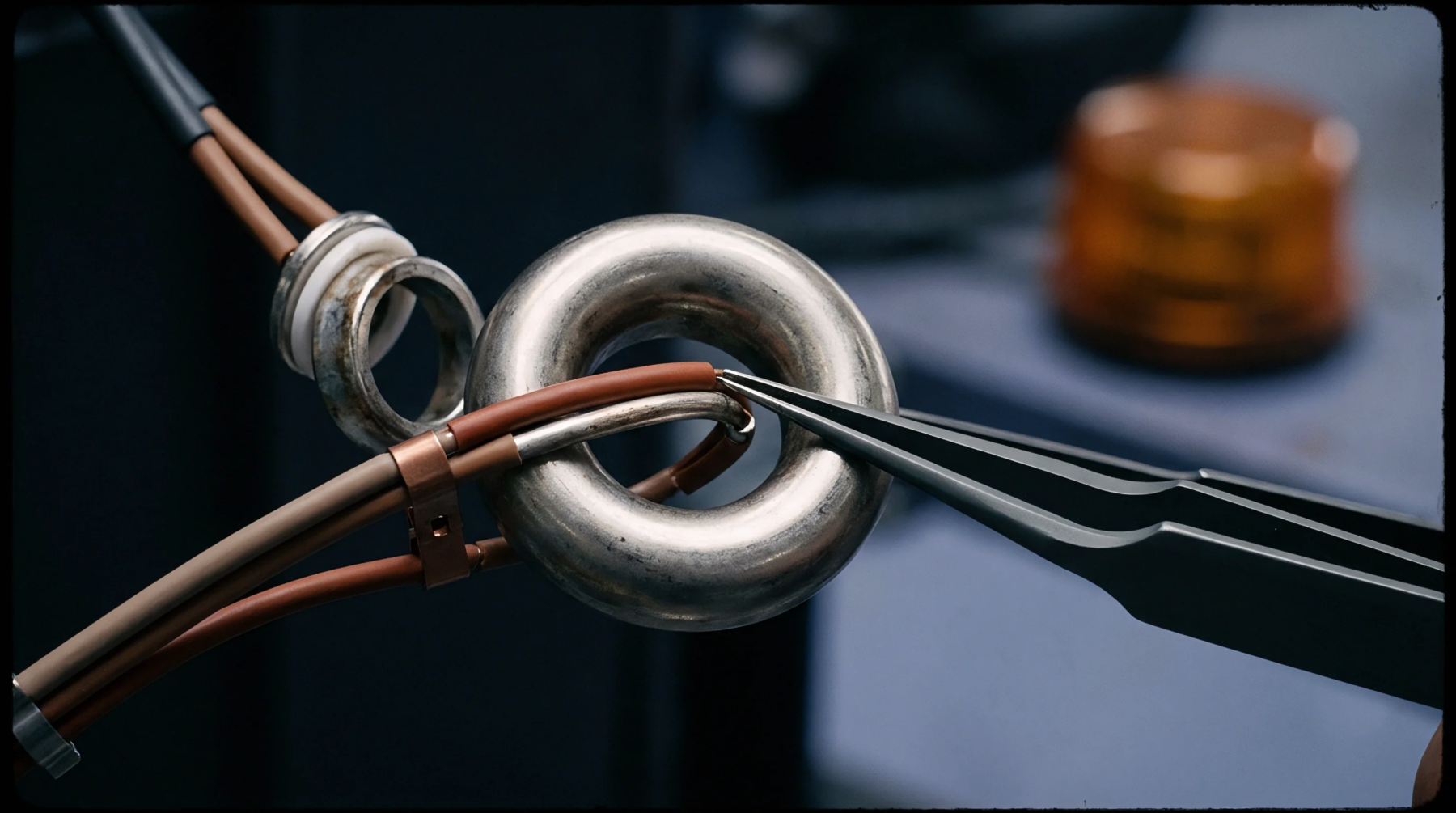
Multi-regime coverage modeling combines structural, boundary scan, and at-speed functional tests to quantify and suppress differential serial net escapes.
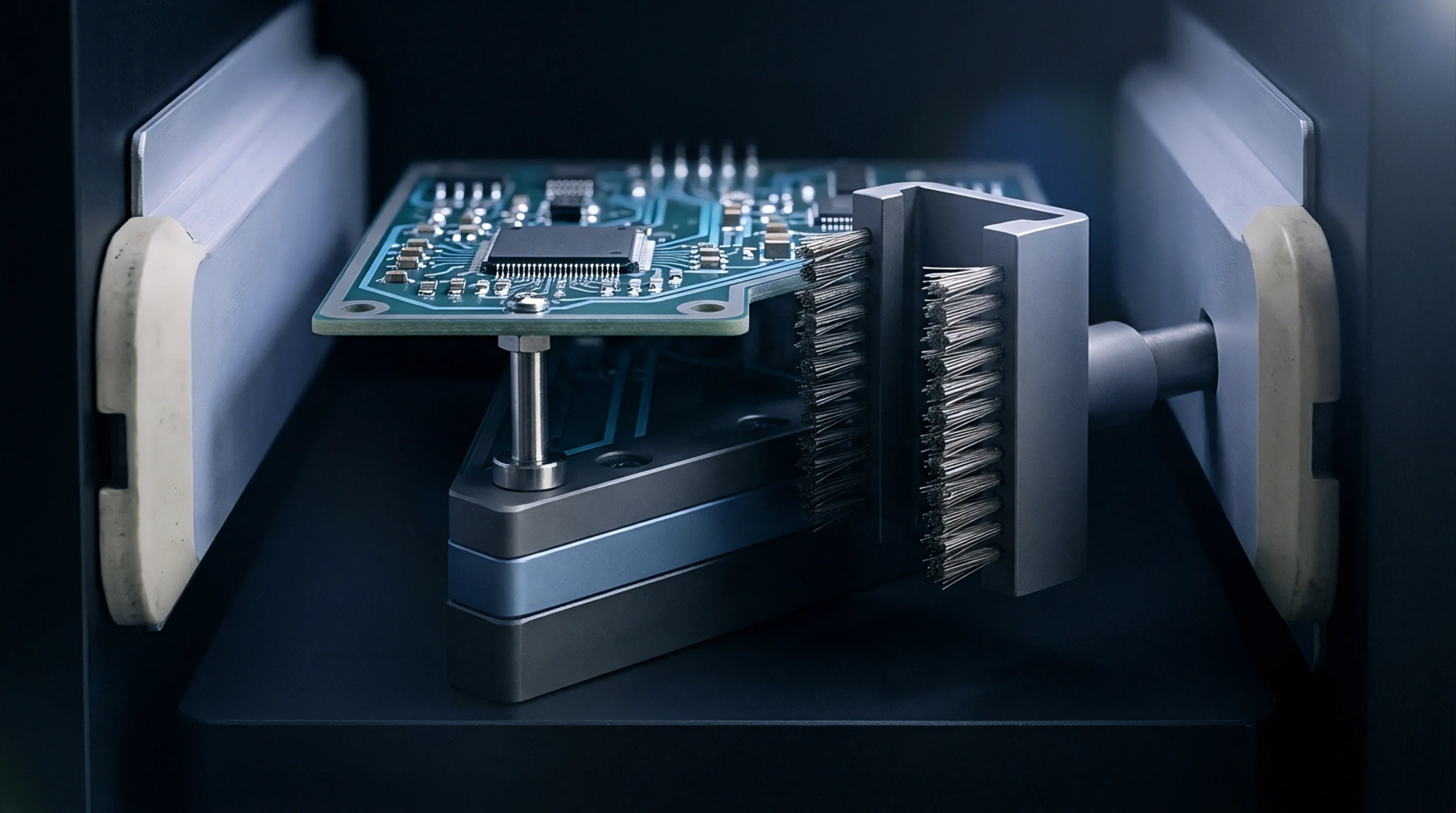
Unscreened high-frequency channel structural escapes drive PCI Express residual bit error rates above spec limits by inducing localized signal resonances.
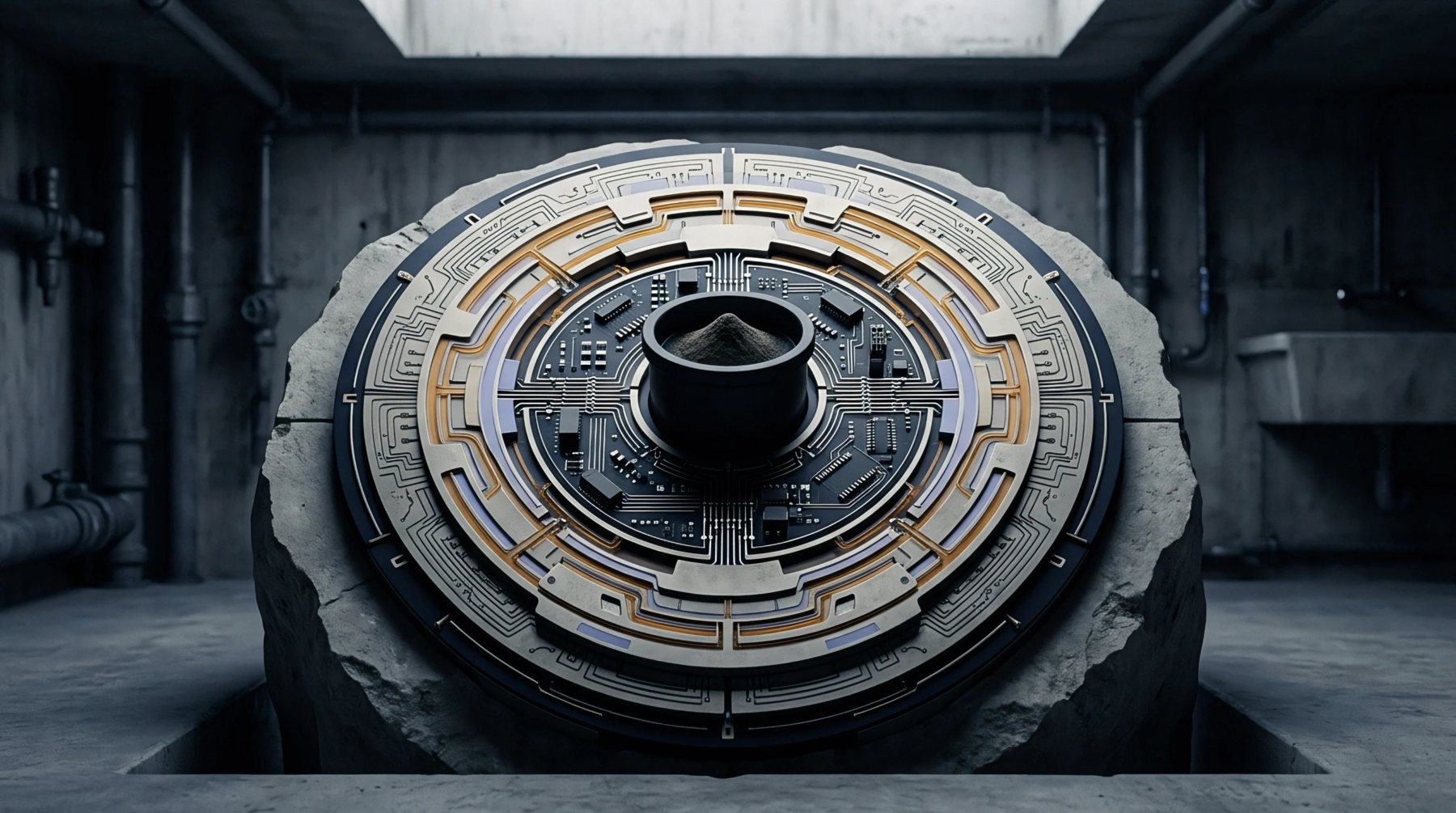
Correlating microsection geometry with TDR readings requires adjusting static field solver inputs for trapezoidal trace slope, copper roughness, and frequency-dependent permittivity.
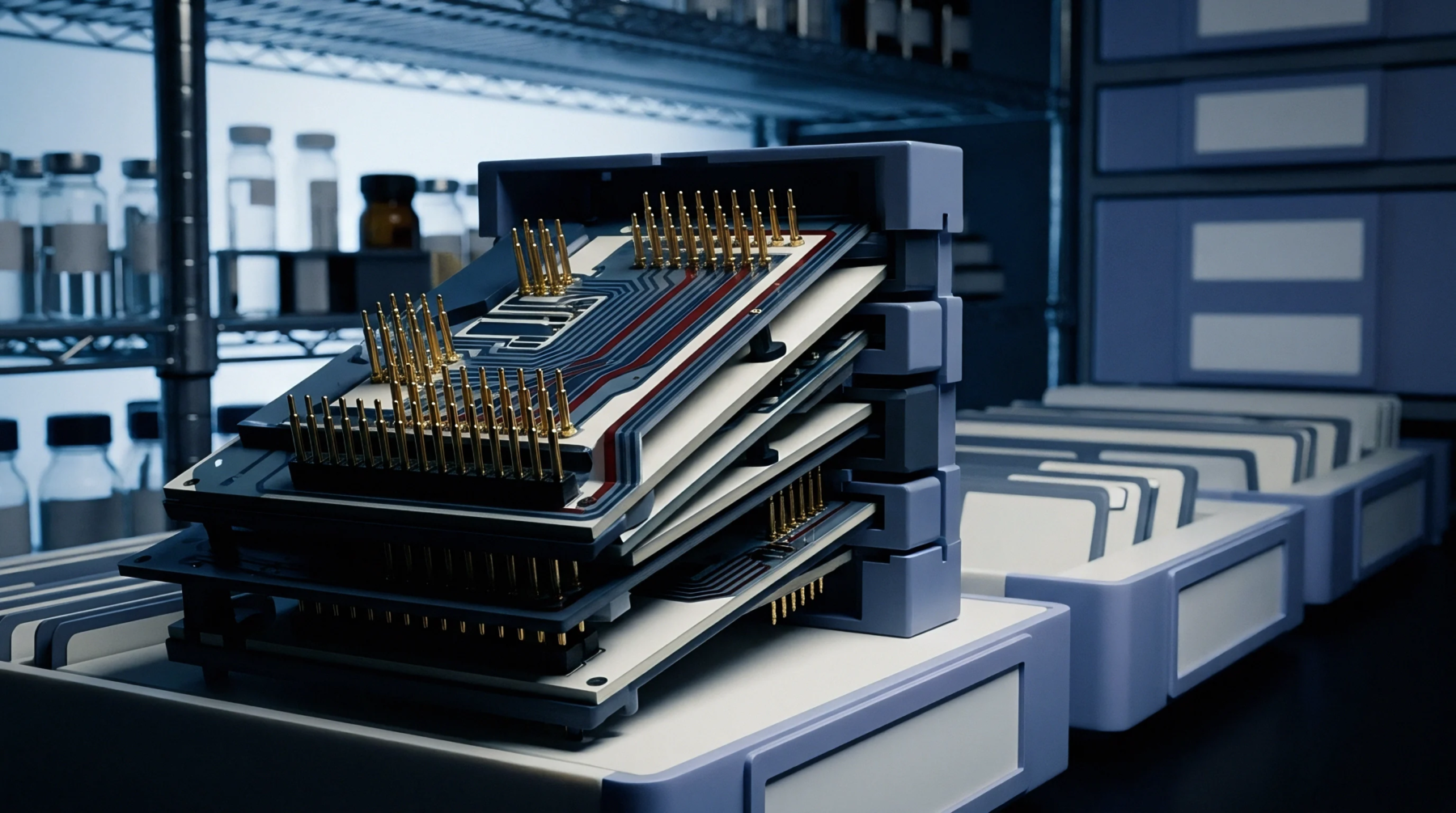
Matching prepreg melt viscosity minima to press pressure ramps prevents thin-core distortion and resin starvation in high-density multilayer lamination.

Modelling slip velocity and pressure gradients across smooth copper foils prevents resin starvation and locks dielectric thickness tolerances during lamination.
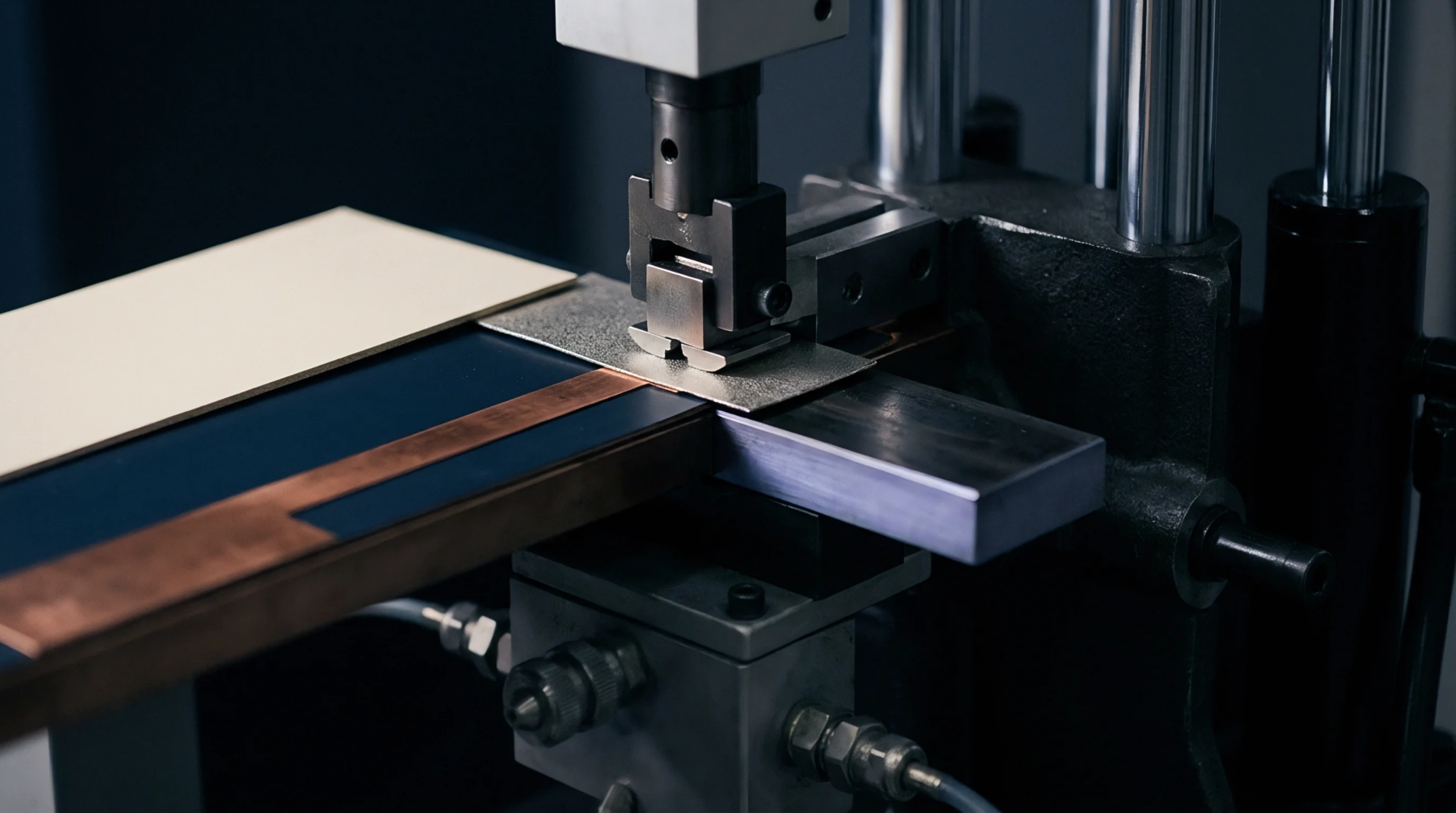
Controlling master panel resin flow gradients stabilizes dielectric tensor anisotropy and prevents high-frequency parametric yield collapse.
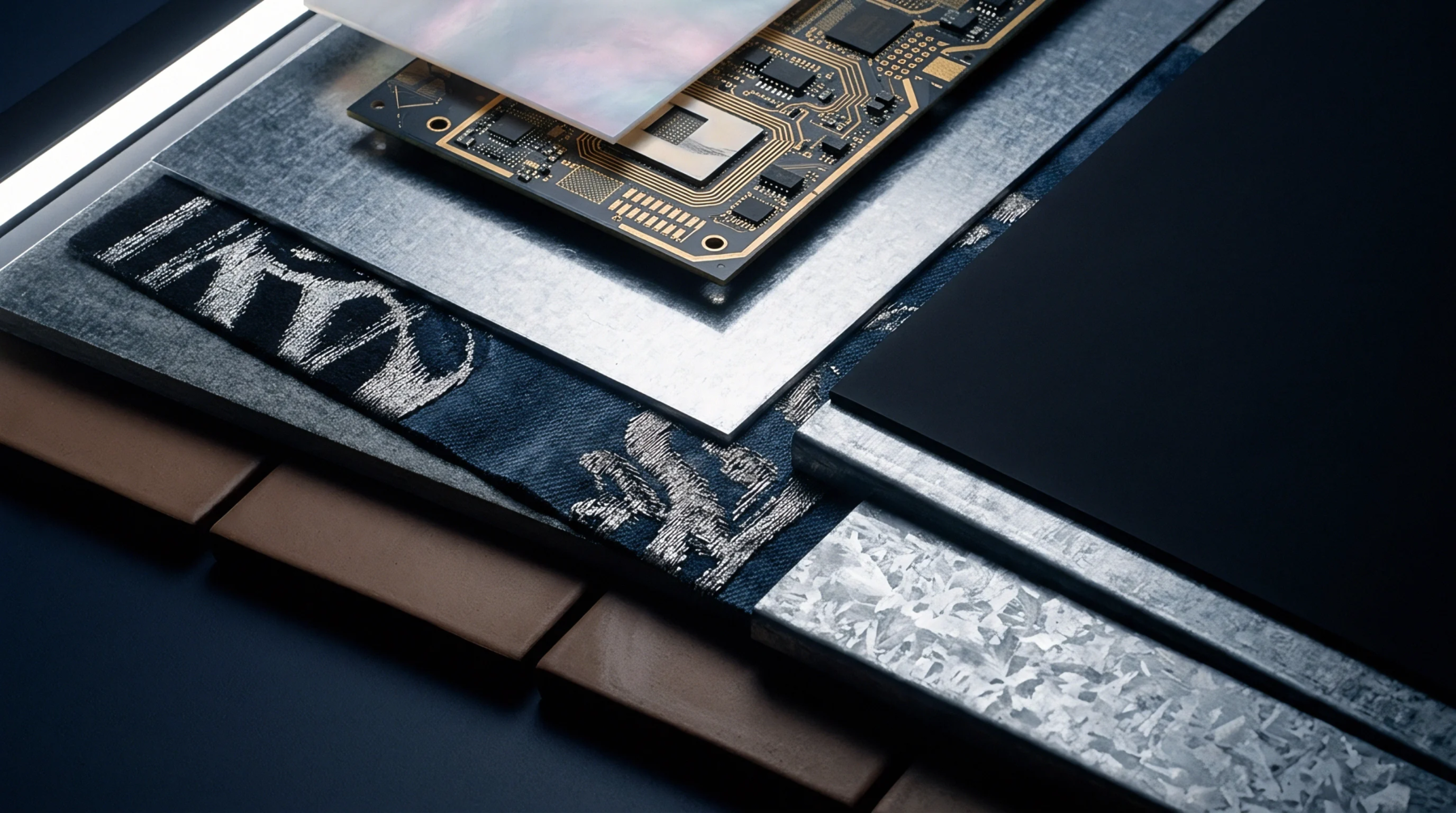
Selecting mechanically spread glass fabric and enforcing multi-ply laminate construction mitigates intra-pair differential skew without panel rotation costs.
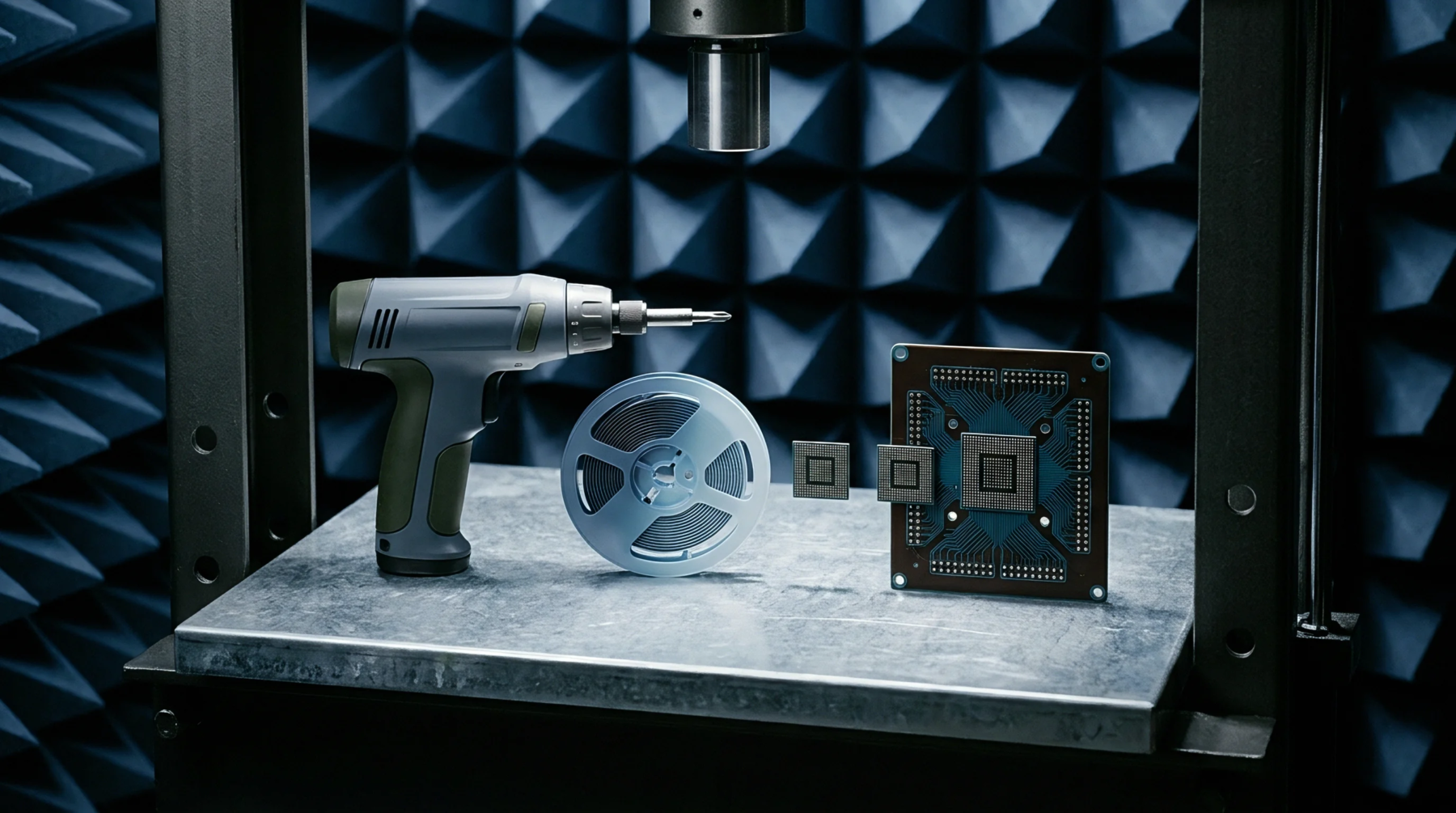
Spread glass prepreg flattens yarn bundles to eliminate open resin windows, preventing high-speed intra-pair differential skew and mode conversion.

Trapezoidal etch profiles and sidewall undercut degrade high-frequency channel return loss by introducing spatial impedance steps that demand mSAP or dynamic CAM compensation.
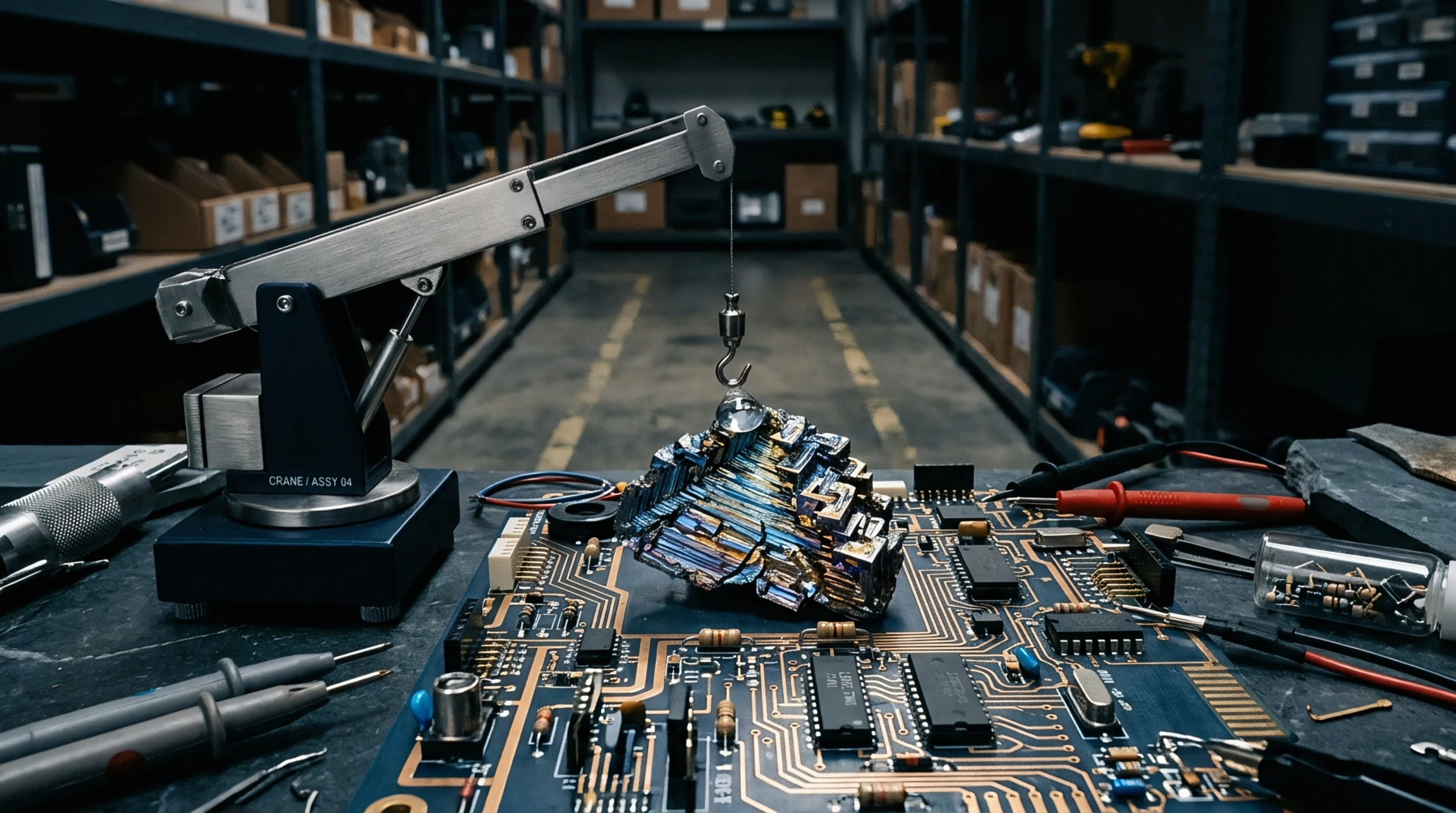
Residual via stubs and connector discontinuities cause reflections and loss deviations that exhaust receiver DFE taps and collapse PCIe link margins.
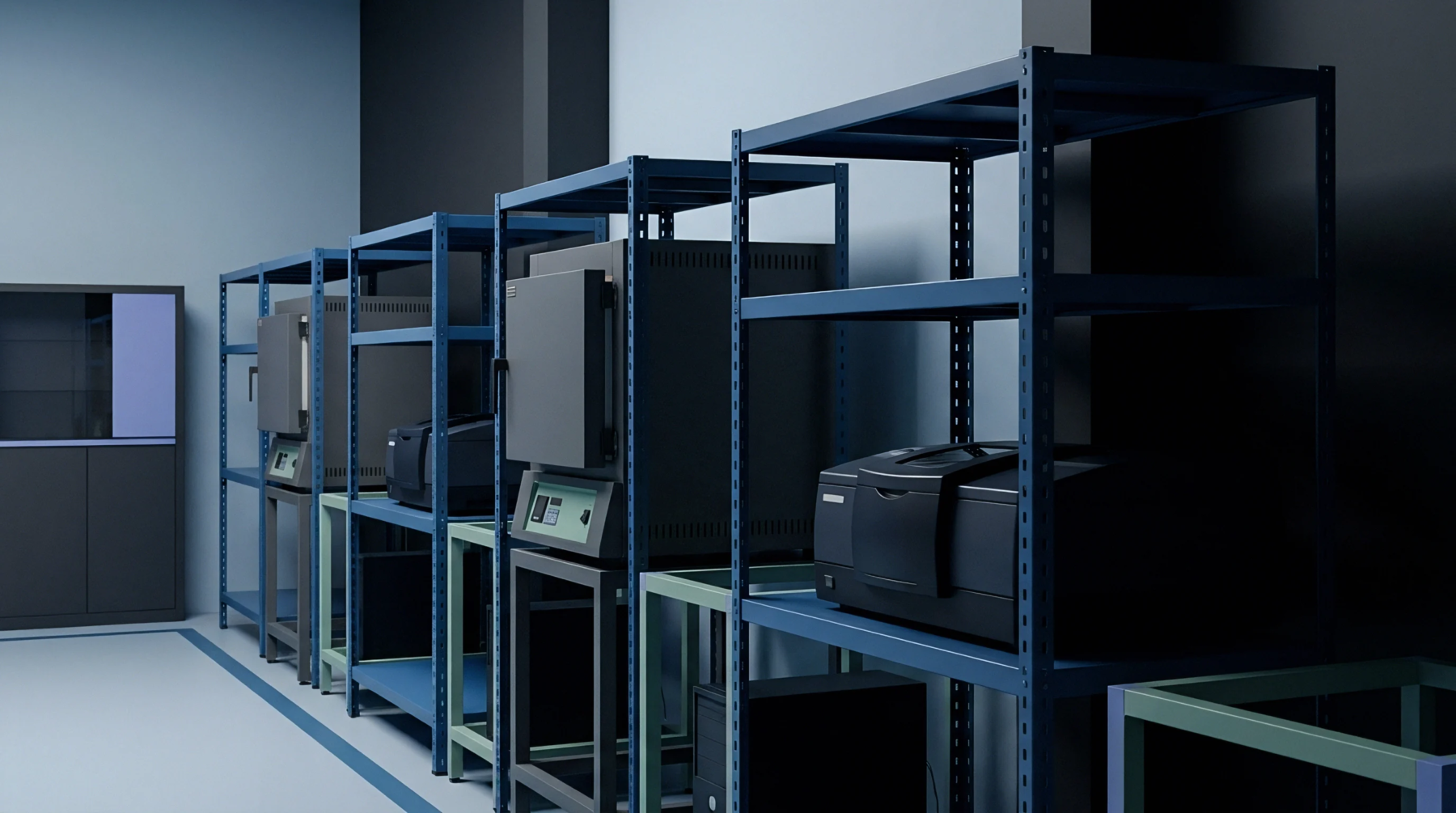
Dynamic environmental stress screening with live high-frequency monitoring catches transient microvia void skew escapes that static room-temperature DC testing misses.
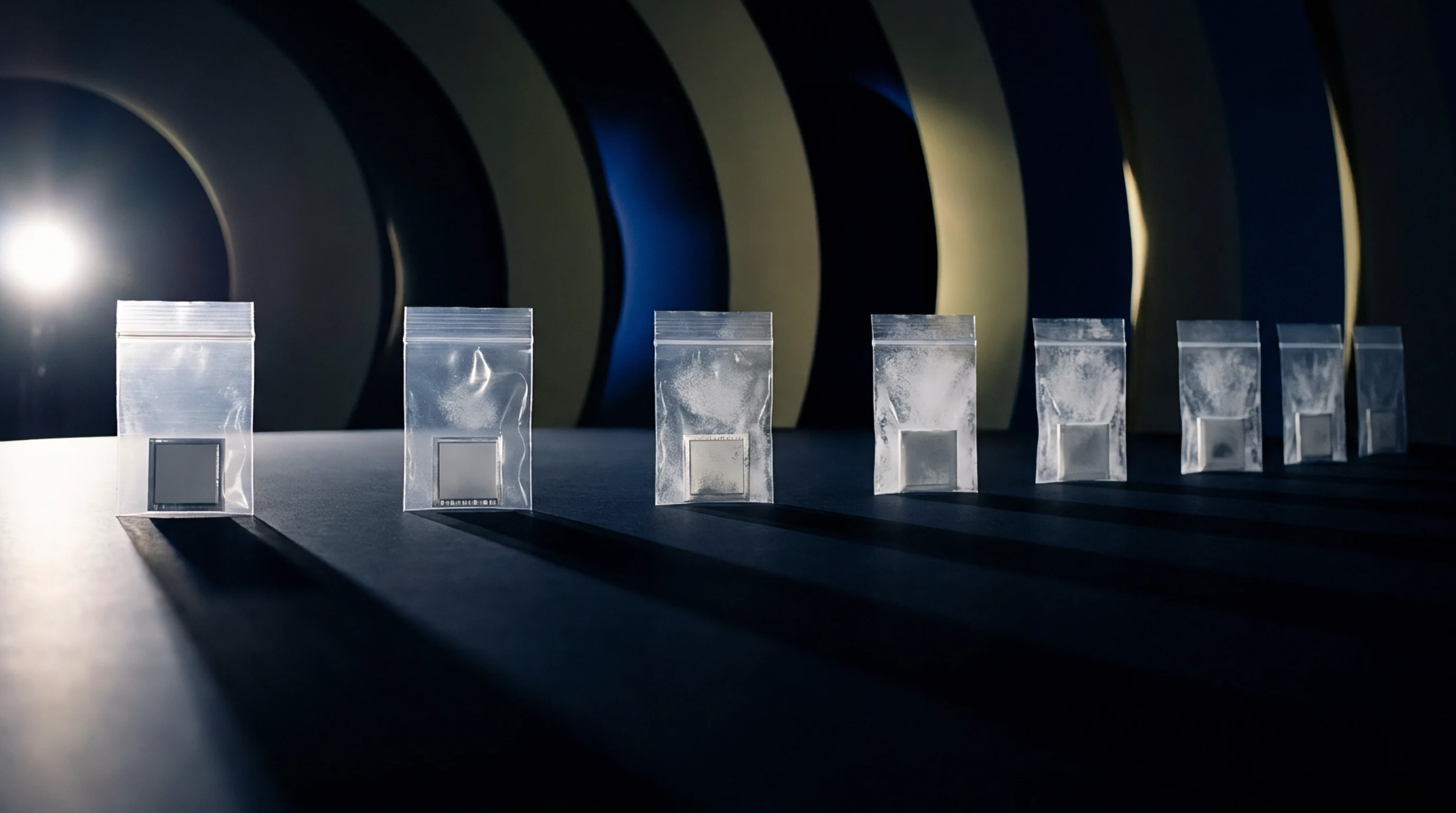
Spatial resin flow and glass weave density variations across woven laminate panels drive localized dielectric drift, requiring strict test protocols and explicit stackup drawing bounds.
Calculate usable circuits per master production panel and subtract outer border clearances before negotiating bare board unit prices with fabricators.

High bandwidth TDR isolates sub picosecond differential phase skew on test coupons to prevent glass weave induced mode conversion in high speed channels.

Resolving intermittent high speed signal integrity escapes requires pairing static boundary scan with embedded IJTAG at speed stress testing to catch dynamic physical layer failures.
Spread glass prepregs eliminate dielectric permittivity gaps across differential traces, suppressing signal skew below 1 ps/inch in 112G PAM4 stackups.
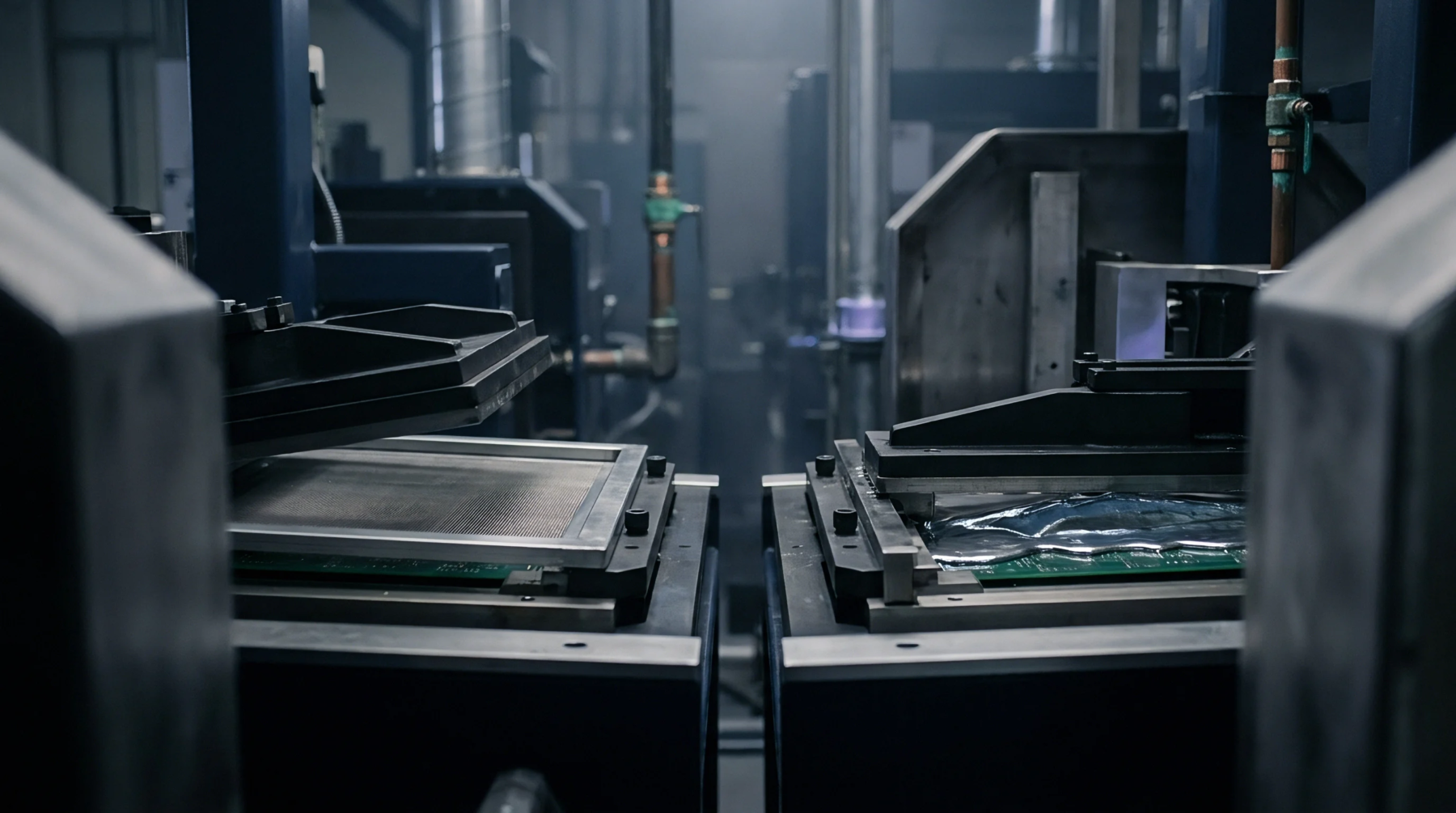
Standard test coupon layouts place structural patterns in panel frame gutters to verify microsection plating and trace impedance without sacrificing yield.
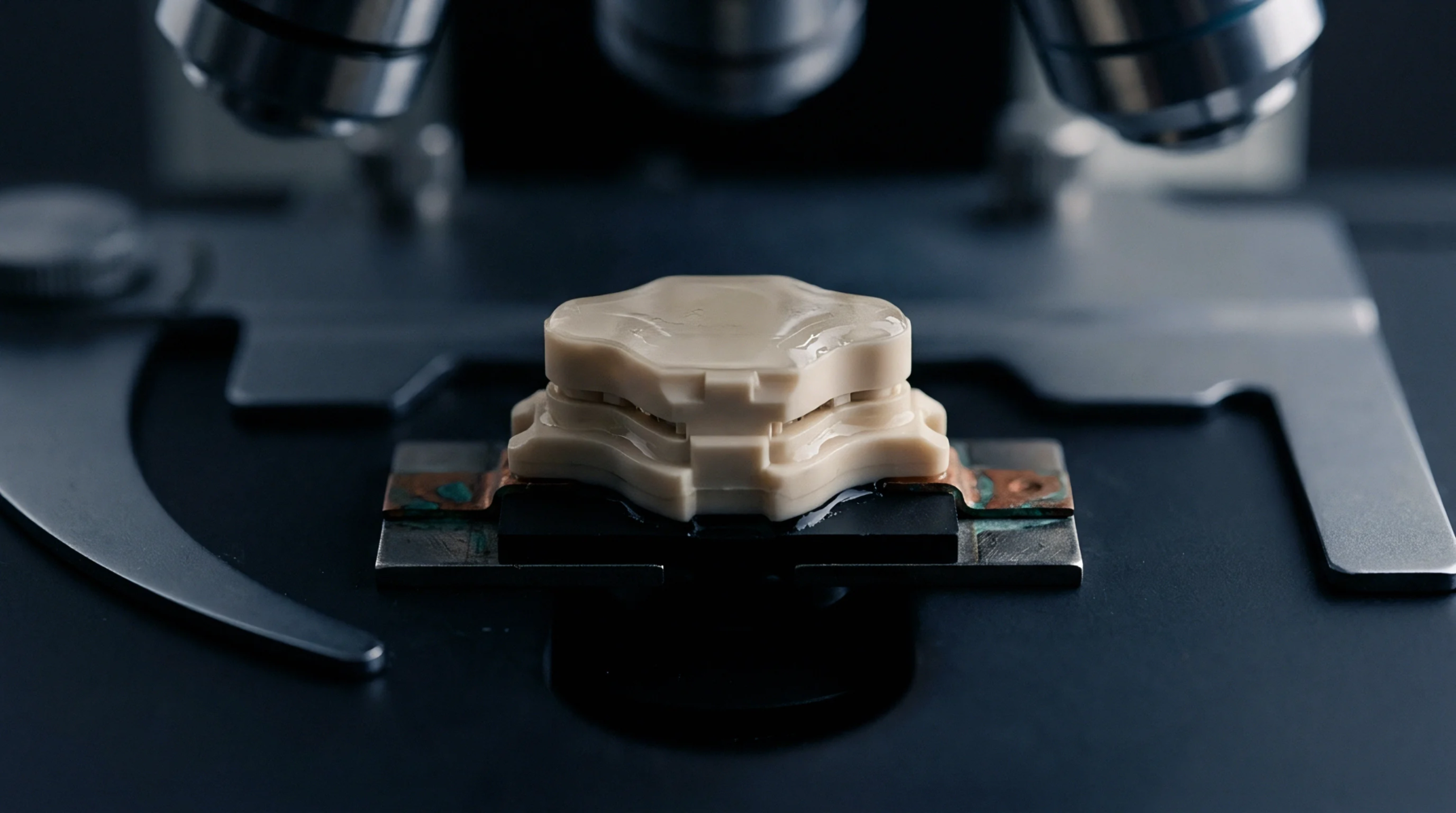
AC coupling capacitor solder joint failures require AC boundary scan and TDR screening to detect latent mechanical microcracks before field deployment.
Escape rate analysis for high-speed SerDes requires combined AC boundary scan and high-frequency TDR screening to capture micro-voids and flex micro-cracks.
Expertise is a utility, not a secret. sentiention™ publishes its working knowledge as open reference: intelligence layer covering the materials it sources, the markets it enters, and the reference that serves both.