Quantifying Signal Reflection Phenomena across Reference Plane Interruptions
Unstitched reference plane interruptions generate inductive impedance spikes that distort high-speed signal edges and trigger radiated emission failures.
Unstitched reference plane interruptions generate inductive impedance spikes that distort high-speed signal edges and trigger radiated emission failures.

Submicron gaps under compression transmit acoustic waves via evanescent tunneling, requiring post-decompression phase screening to detect unbonded interfaces.
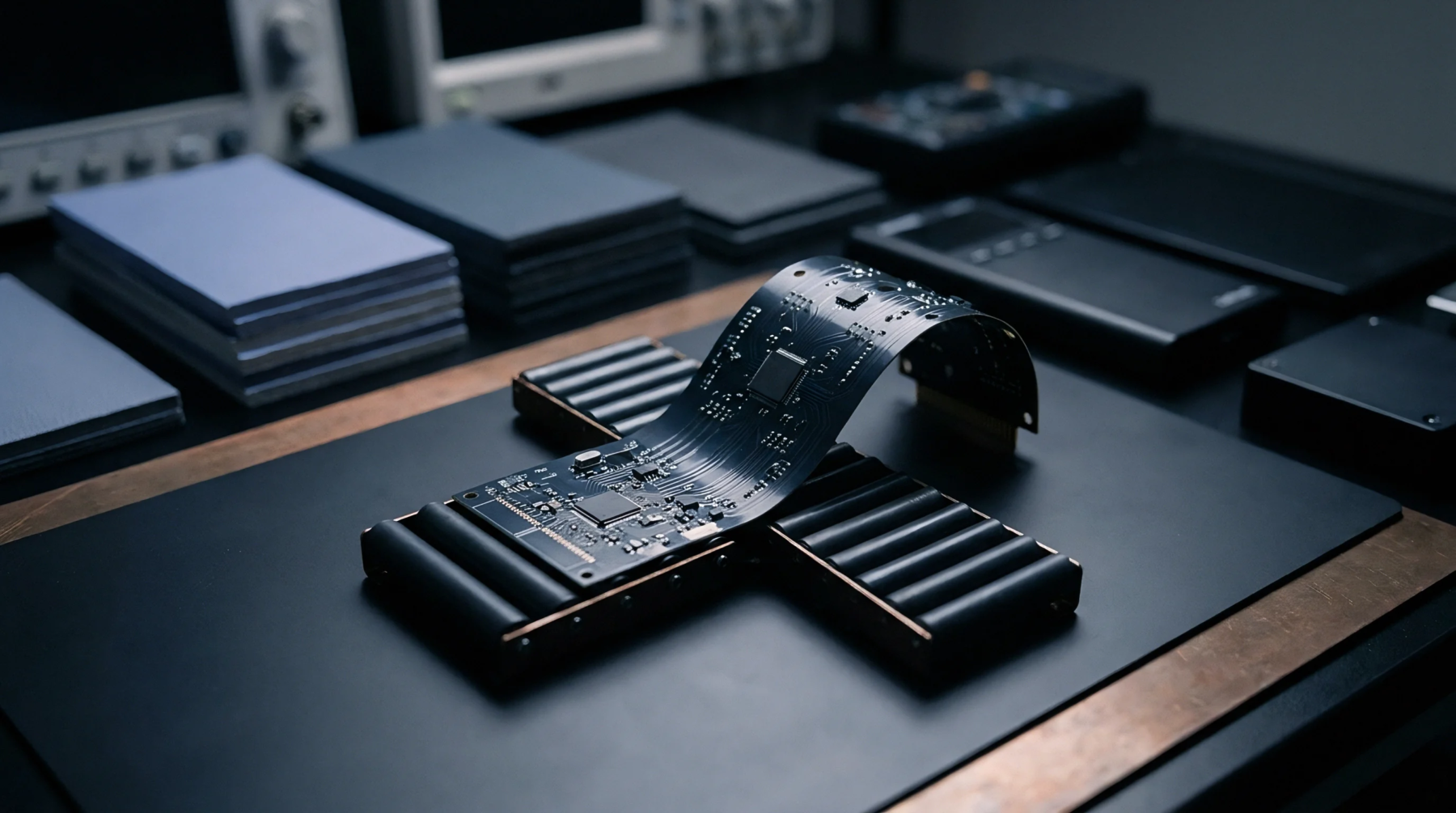
Multiple HDI thermal pressing cycles alter local glass-to-resin ratios, creating non-linear dielectric constant drops and localized trace impedance shifts.
Glass style rheology and spread weave selection control sub-two mil dielectric variation, preventing localized resin squeeze-out and impedance failures.
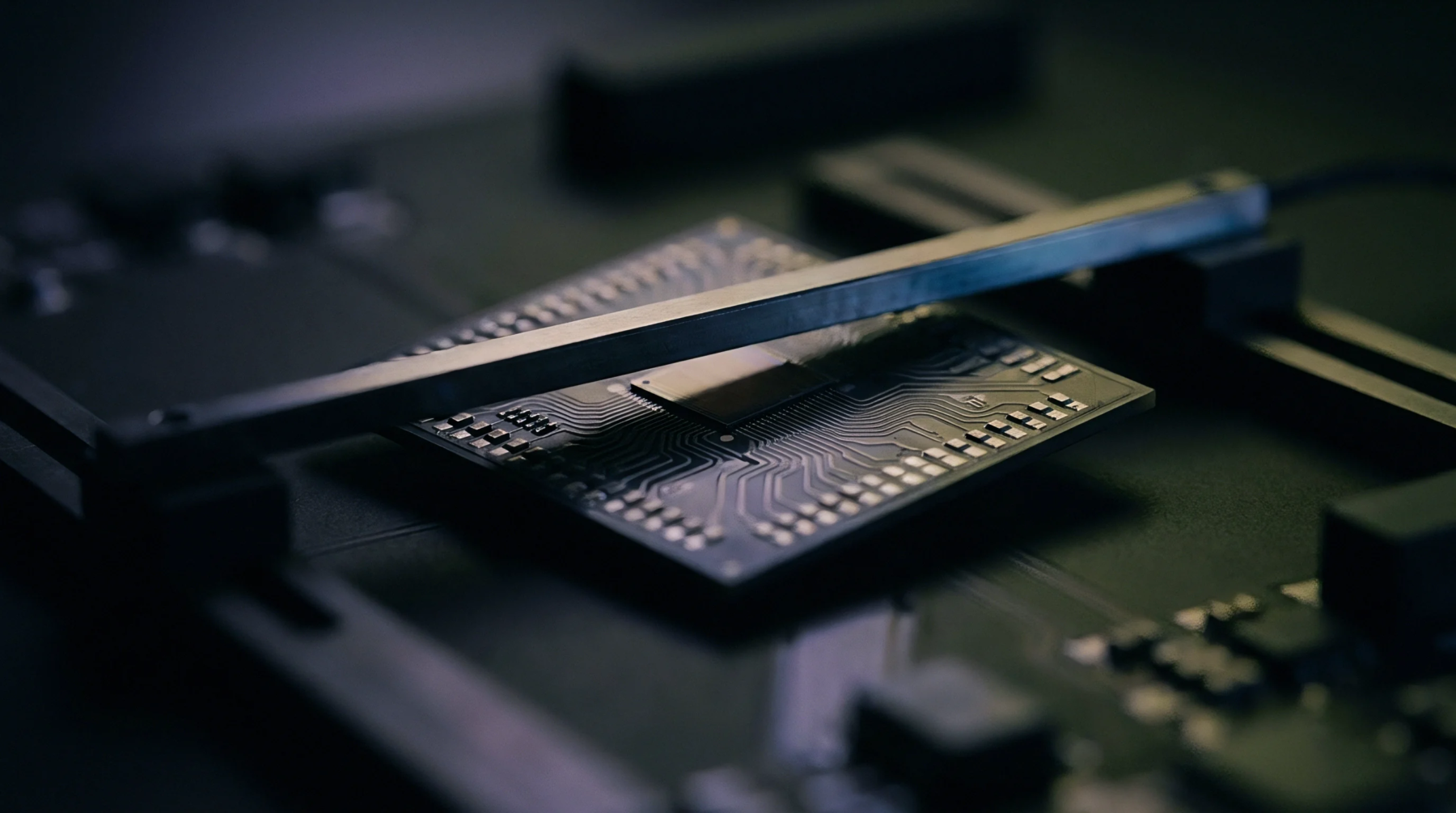
De-embedding launch parasitics converts raw TDR reflections into intrinsic trace impedance profiles, isolating PCB fabrication errors from test fixture artifacts.
Correlating 2D field solver predictions with PCB impedance requires feeding microsectioned etch geometry, high-frequency Dk dispersion, and surface roughness into calculations.
High-speed signal integrity degradation in hybrid boundary scan bed-of-nails testing is resolved by de-embedding fixture parasitics and shortening test stubs.
Phase-coherent de-embedding mathematically removes fixture effects from VNA data, preventing non-causal phase errors in high-speed plane characterization.
Spatial dielectric variations in multilayer laminates cause impedance ripple and phase skew that require spread glass fabrics and controlled stackup design.
Reconciling stripline and split cylinder values requires separating series air gap fixture errors from structural woven glass dielectric anisotropy.
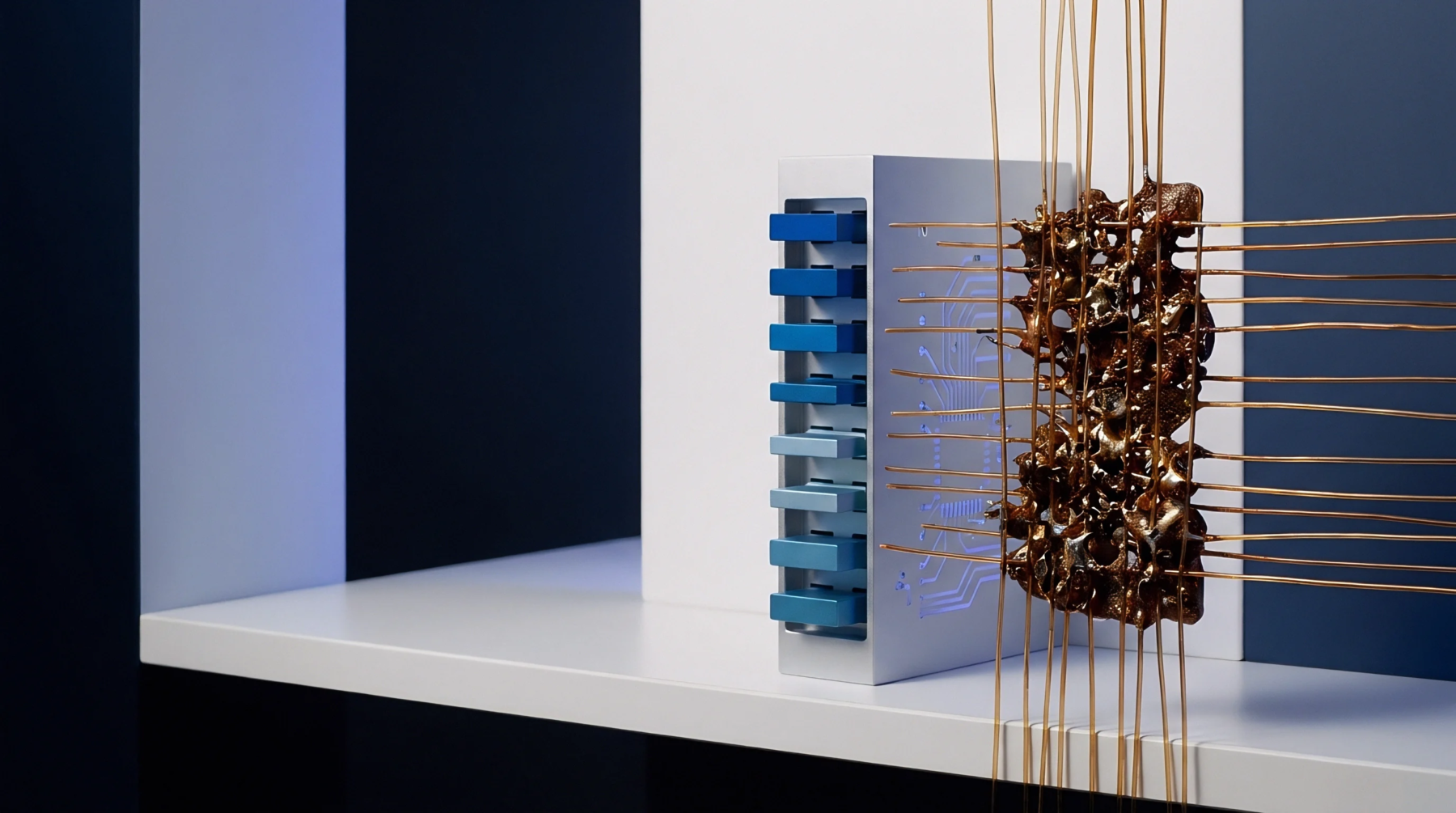
Tracking dielectric constant shift across sequential lamination cycles requires coupon phase testing and resin compaction modeling to hold target impedance.

Multi-opening press pressure gradients drive dielectric thickness variation across books, shifting high-frequency impedance beyond standard five-percent limits.

Unreinforced resin pockets in edge-coupled arrays lower local odd-mode permittivity, driving differential impedance five to nine ohms above coupon measurements.

Accounting for in-plane dielectric anisotropy in differential microstrips prevents impedance shifts and mode conversion across high-frequency PCB stackups.
Spread glass prepreg styles like 1078 combined with dual-ply stackups control differential pair skew below 0.5 ps/inch without sacrificing panel utilization.
In situ high frequency impedance spectrometry during thermal profiling isolates latent microvia defects by detecting phase shifts before total DC failure.
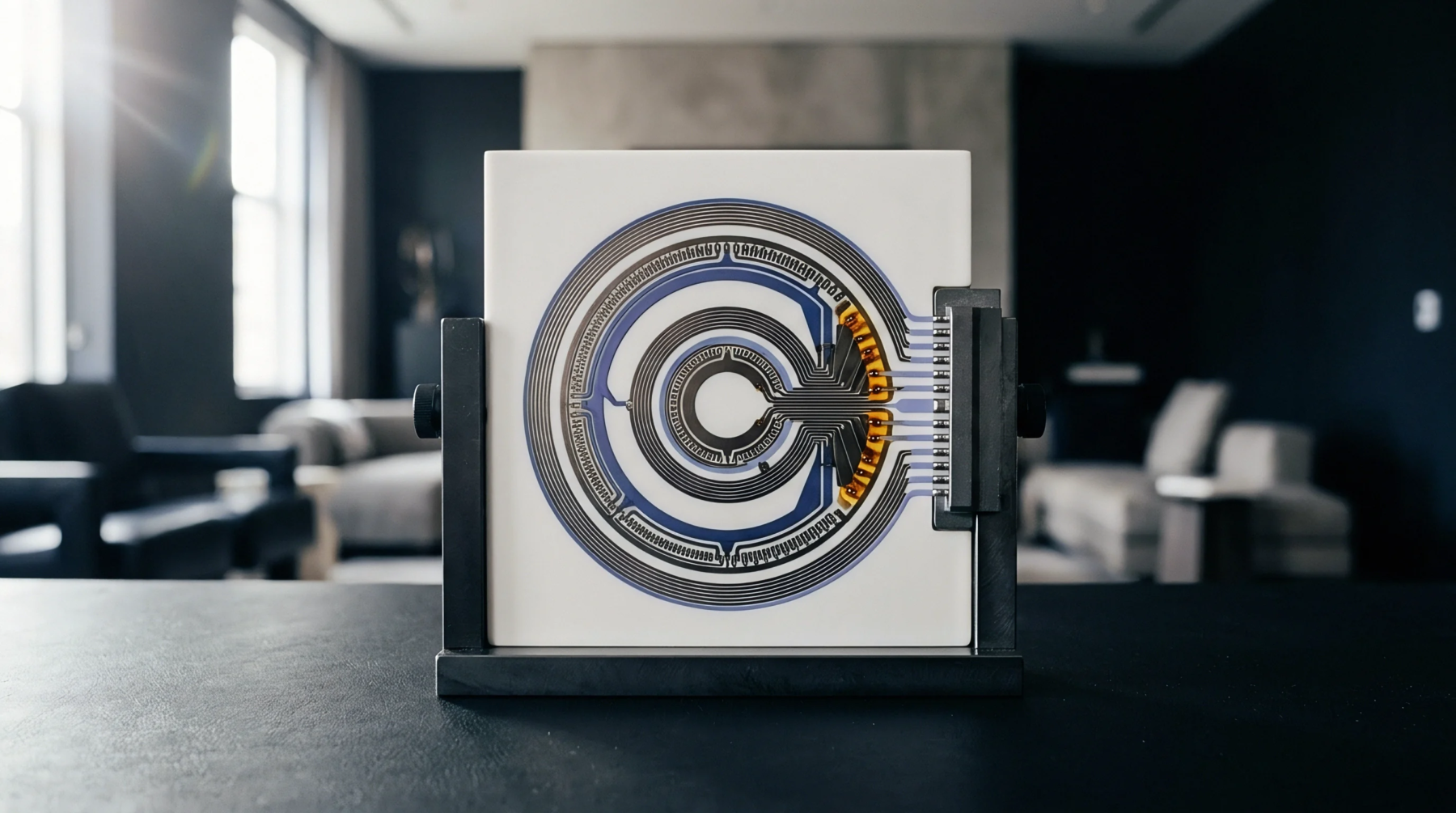
Fine-pitch microbump fatigue and electromigration demand 100 percent substrate net screening and thermal cycling guardbands to stop unrecoverable ASIC package field escapes.
Cross-hatched flex ground planes introduce slow-wave dispersion and periodic Bragg stopbands that degrade high-frequency signals unless pitch remains sub-wavelength.

Cross-hatched ground planes increase flexible circuit impedance by elevating loop inductance and reducing line capacitance, requiring 3D field solver correction.
High-speed transient voltage sampling detects latent microvia target pad separations by measuring sub-nanosecond pulse impedance shifts during thermal stress.
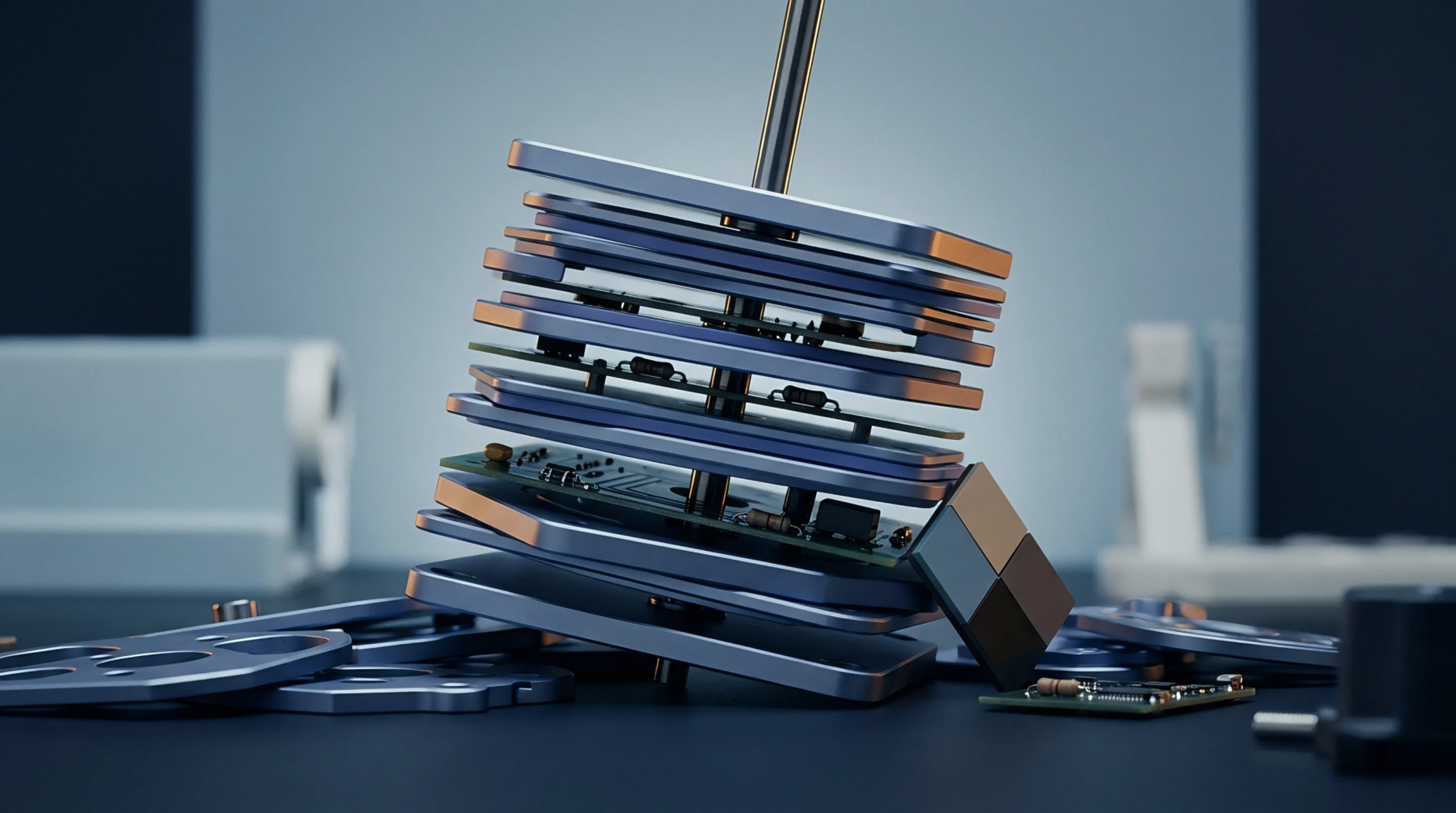
Controlled impedance on rigid-flex boards demands independent trace geometries and zoned stackup models that absorb polyimide permittivity shifts.
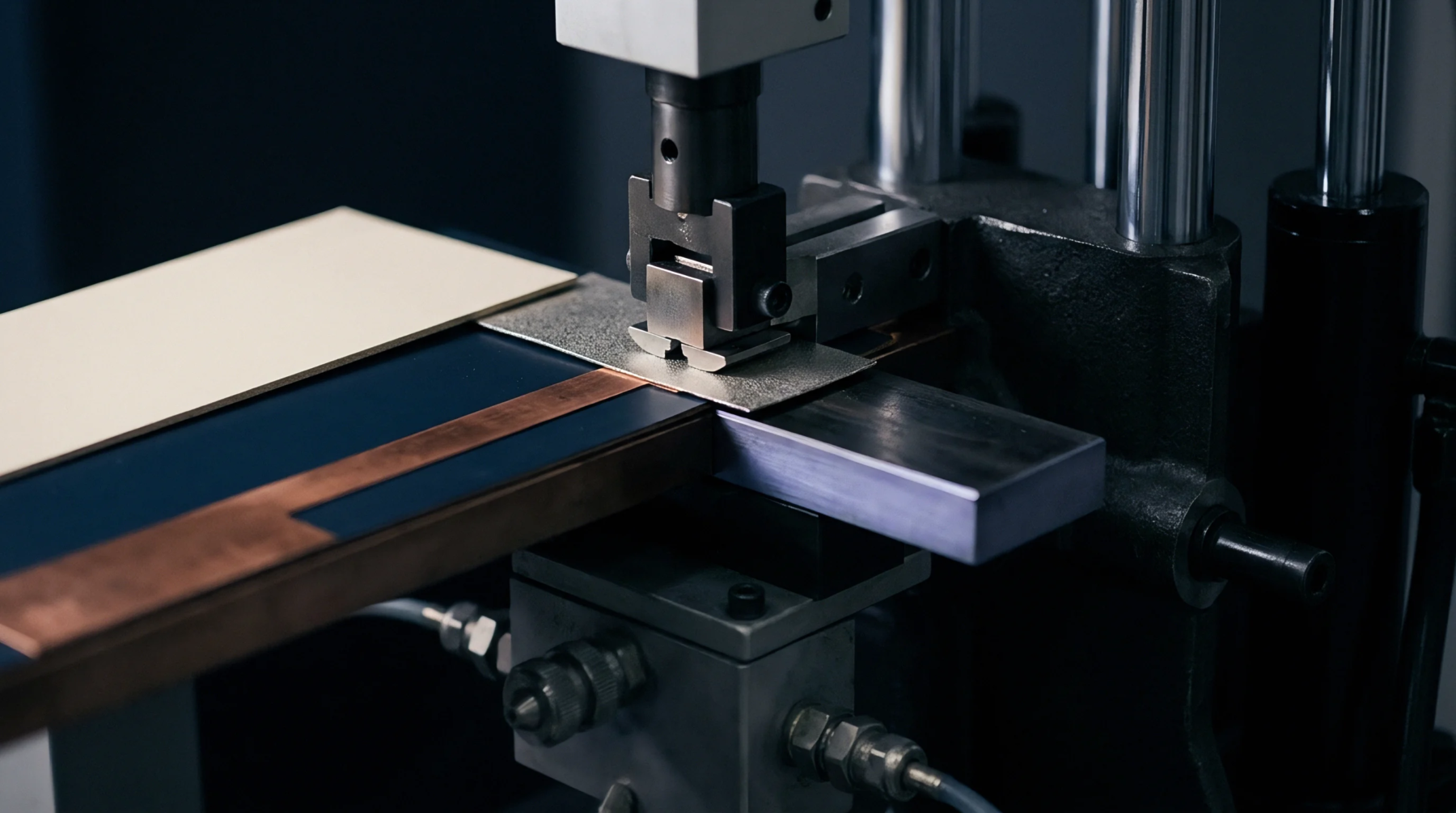
Select mechanically spread low-Dk glass styles or angled routing to eliminate periodic dielectric variance and suppress high-speed differential phase skew.
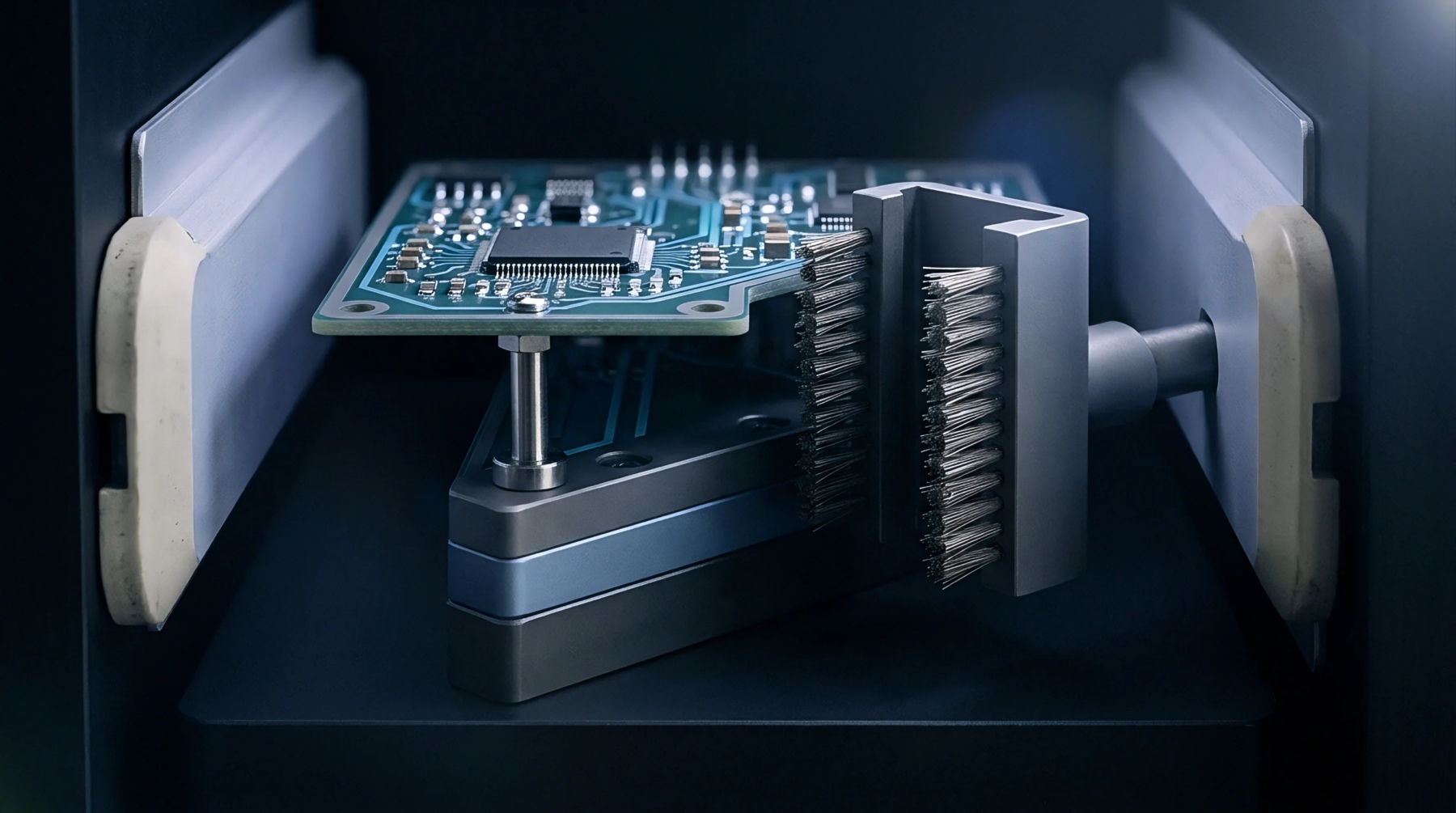
Integrating quasi-optical permittivity data into stripline models requires mapping anisotropic z-axis dielectric constants and copper roughness to hold impedance tolerances.
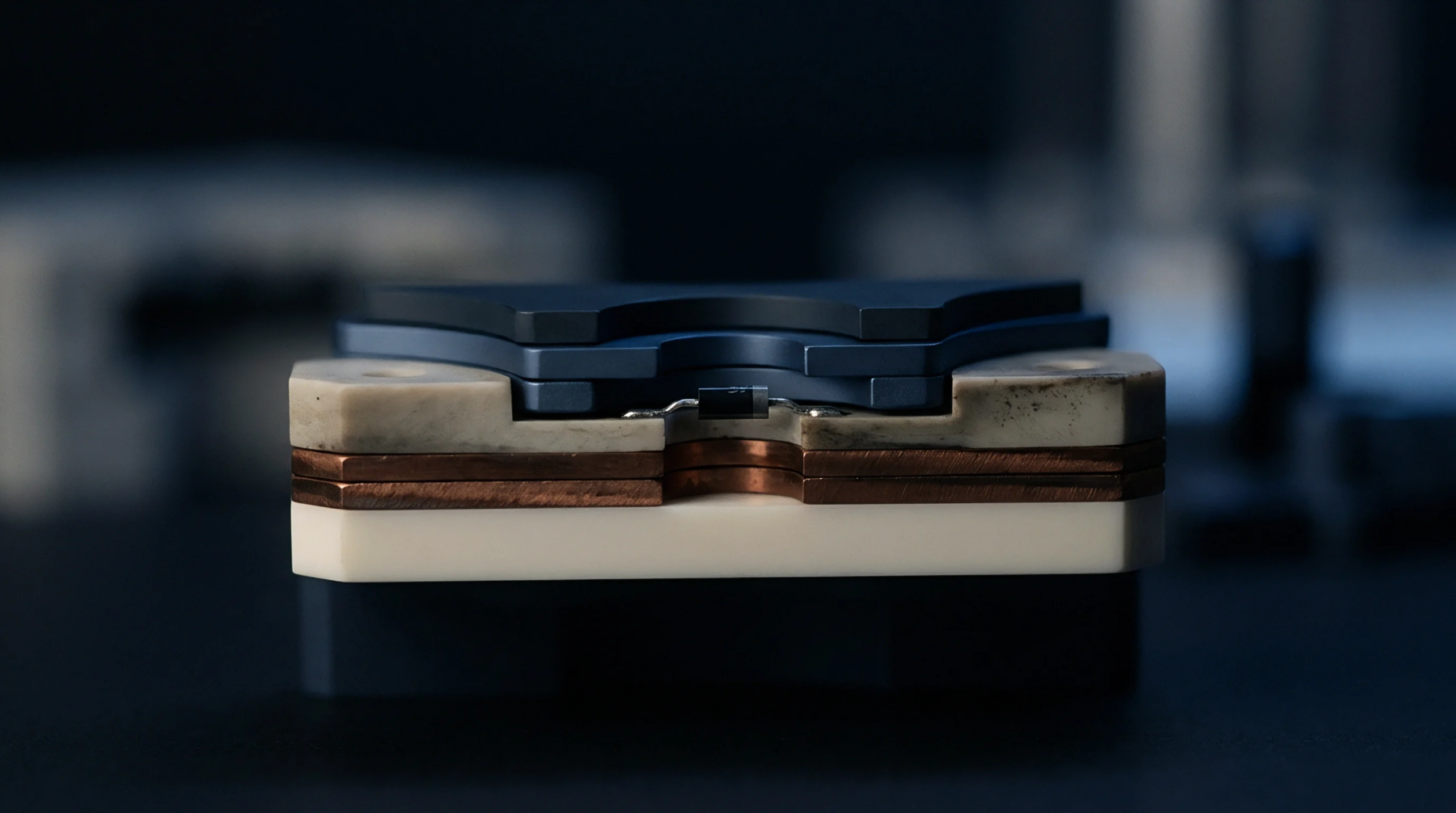
Sub-micron interfacial cracks trigger extreme local field enhancement and cold emission at high frequencies, demanding RF coupon testing over DC continuity checks.
Interleaving ground return pins within test fixture matrices reduces parasitic loop inductance, suppressing ground bounce jitter during high-speed functional testing.
Mechanically spread glass prepregs eliminate periodic resin windows to suppress differential phase skew below 3 picoseconds across high-speed channels.
Specify dual-ply mechanically spread glass and coupon phase skew limits on fabrication master notes to eliminate high frequency intra-pair skew in production.
Expertise is a utility, not a secret. sentiention™ publishes its working knowledge as open reference: intelligence layer covering the materials it sources, the markets it enters, and the reference that serves both.