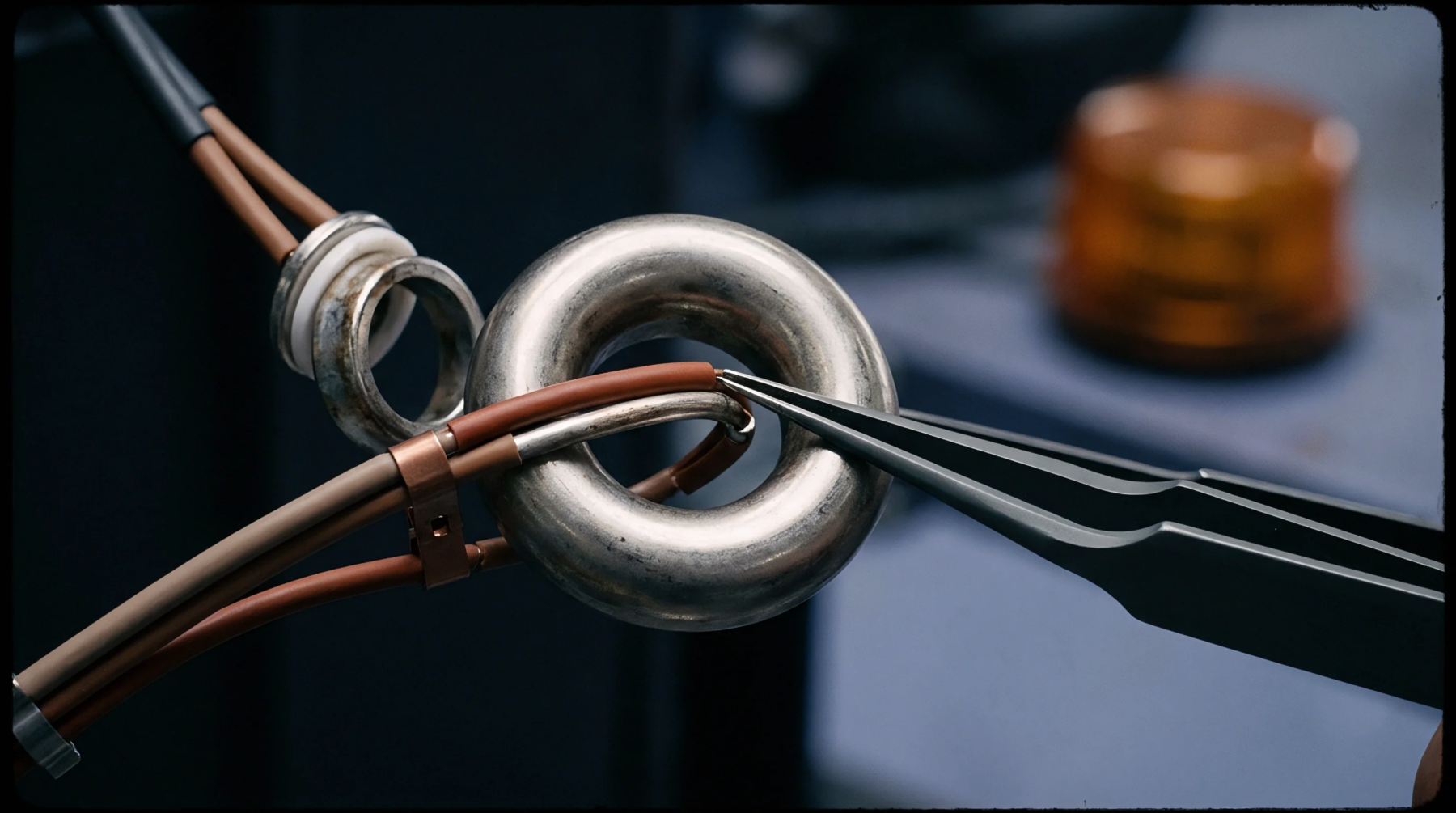
Heterogeneous Substrate Core Lamination Dynamics and Resin Gradient Phase Extraction
Heterogeneous core lamination requires synchronized thermal ramps to align flow windows and prevent resin phase extraction along substrate interfaces.
Heterogeneous core lamination requires synchronized thermal ramps to align flow windows and prevent resin phase extraction along substrate interfaces.
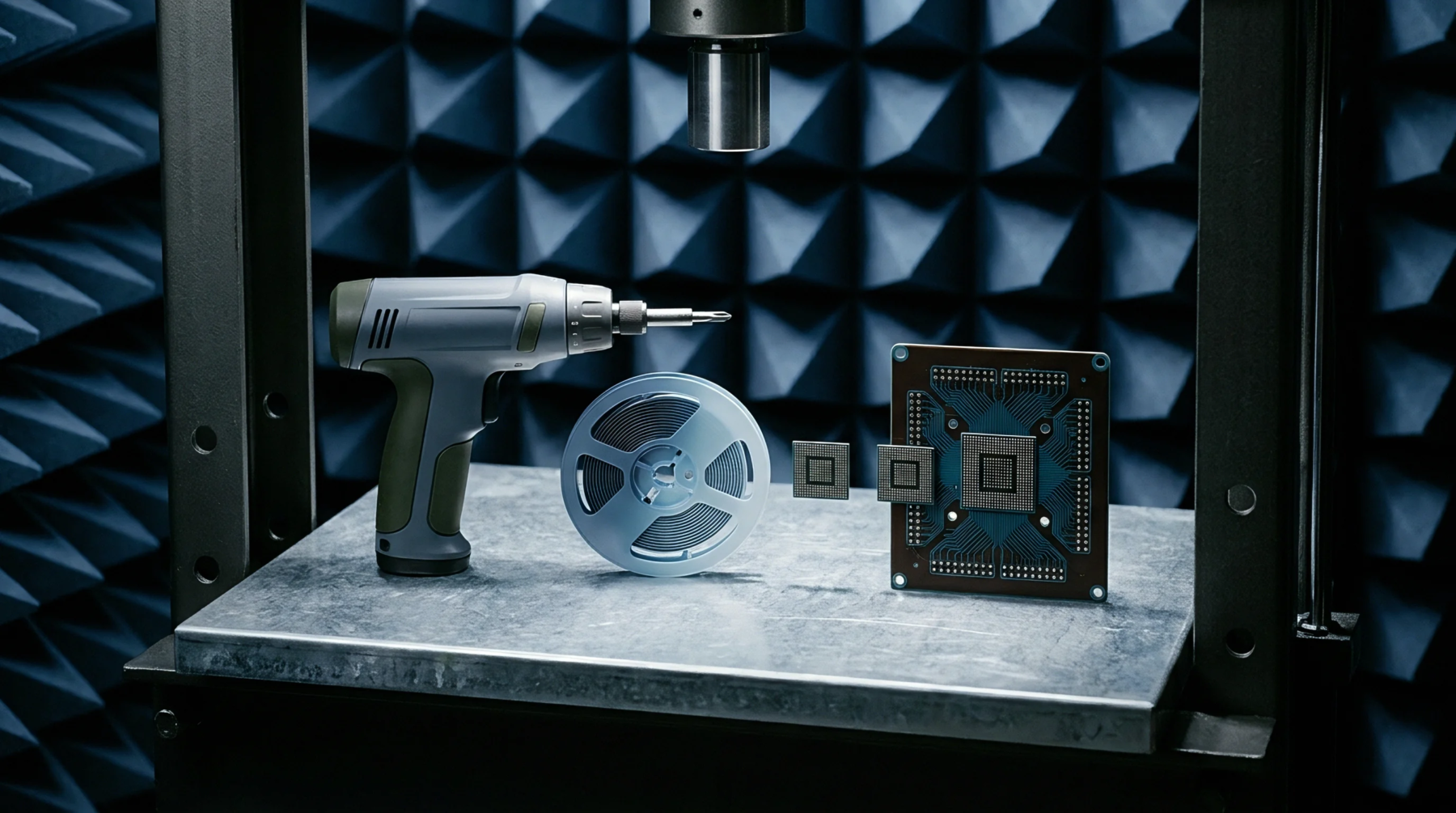
Accelerated stress screening hours convert to consumed operational lifespan through empirical fatigue models, bounding test duration to clear infant mortality without inducing premature wear-out.
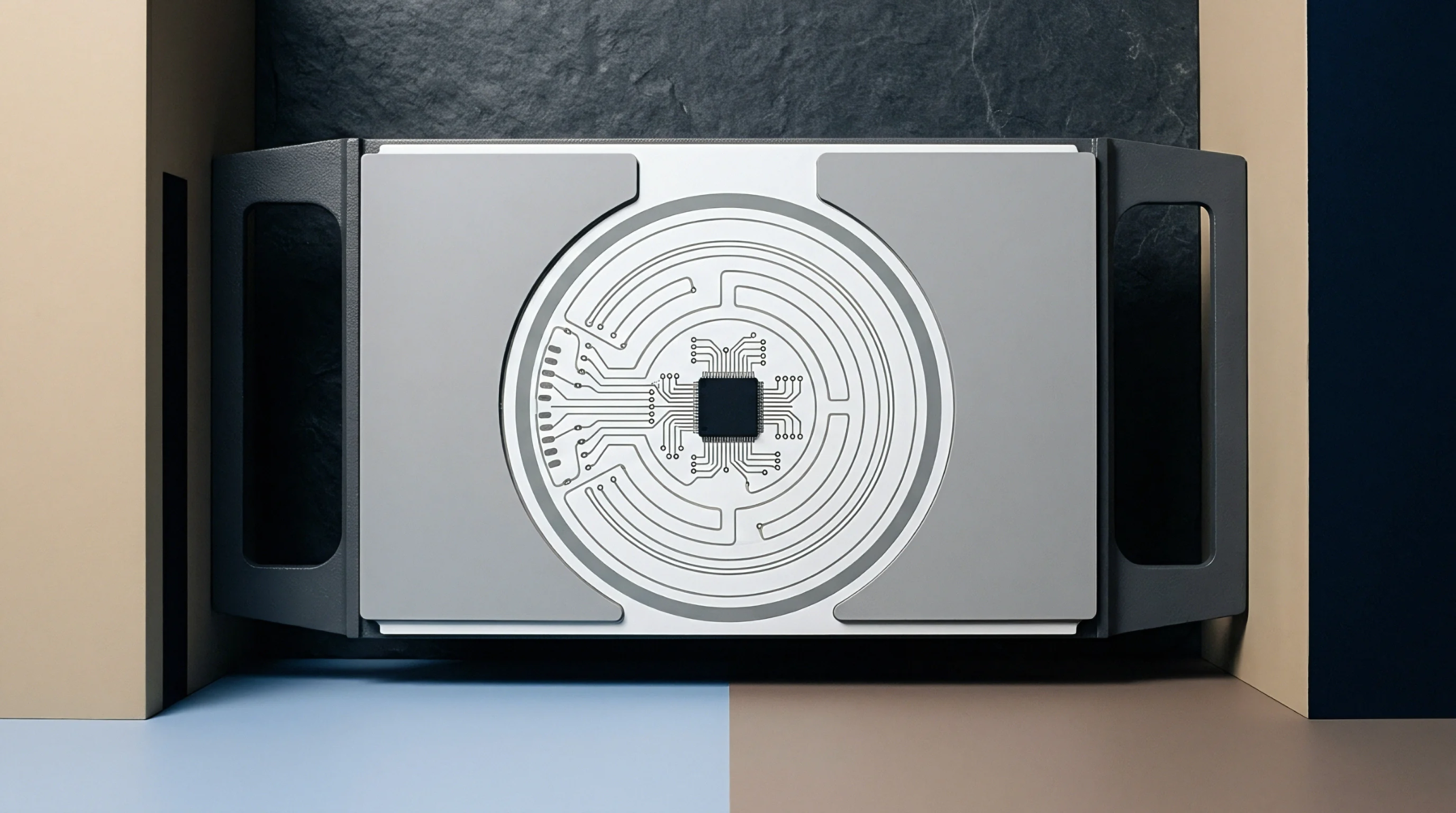
Substrate thermal distortion stems from CTE mismatch and copper asymmetry, requiring tight dynamic warpage limits and carrier tooling to protect joint yield.
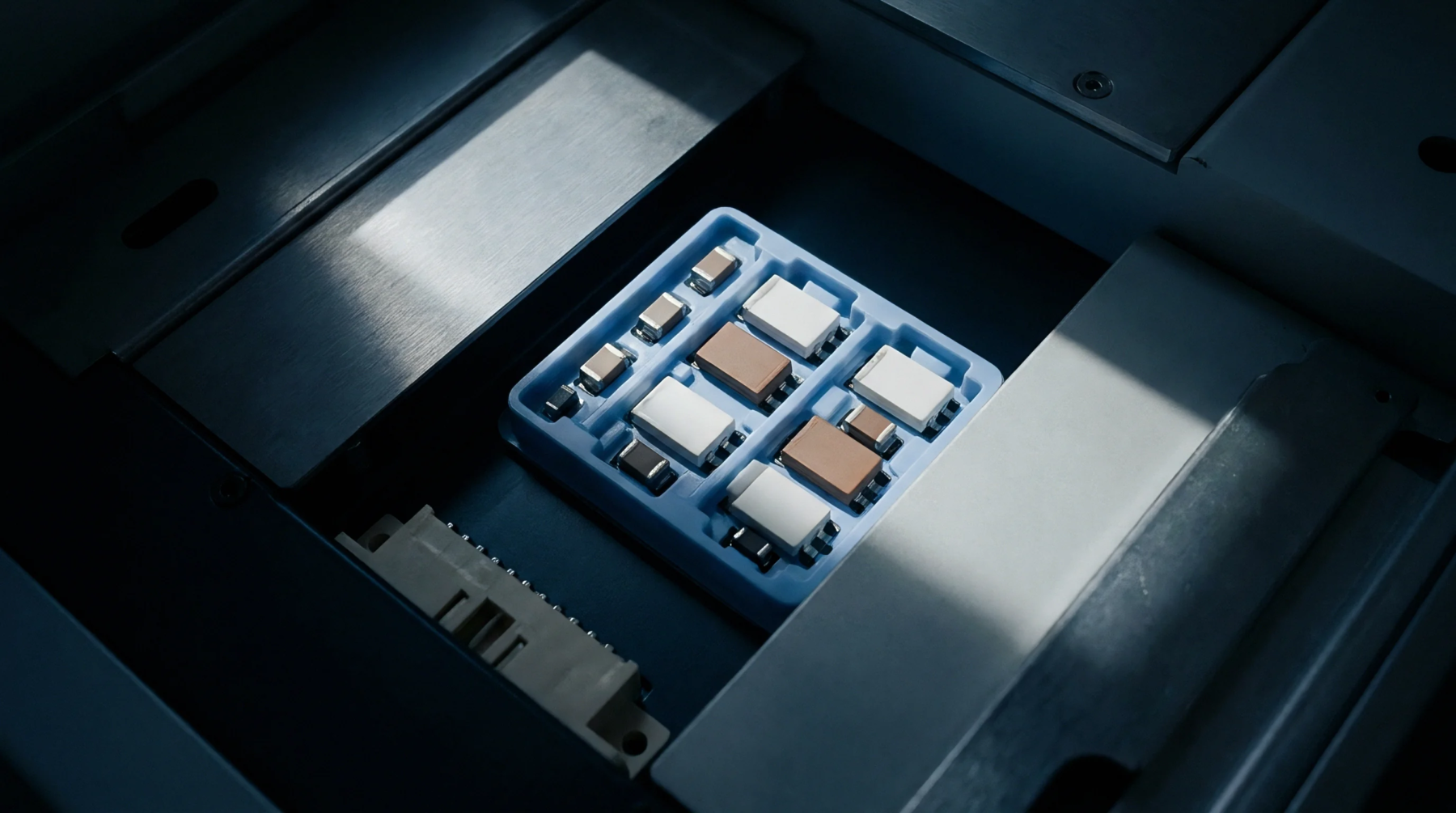
Optimizing coreless HDI thermal profiles requires synchronized heating ramps, controlled viscosity dwell windows, and low-rate cooling to prevent warp.
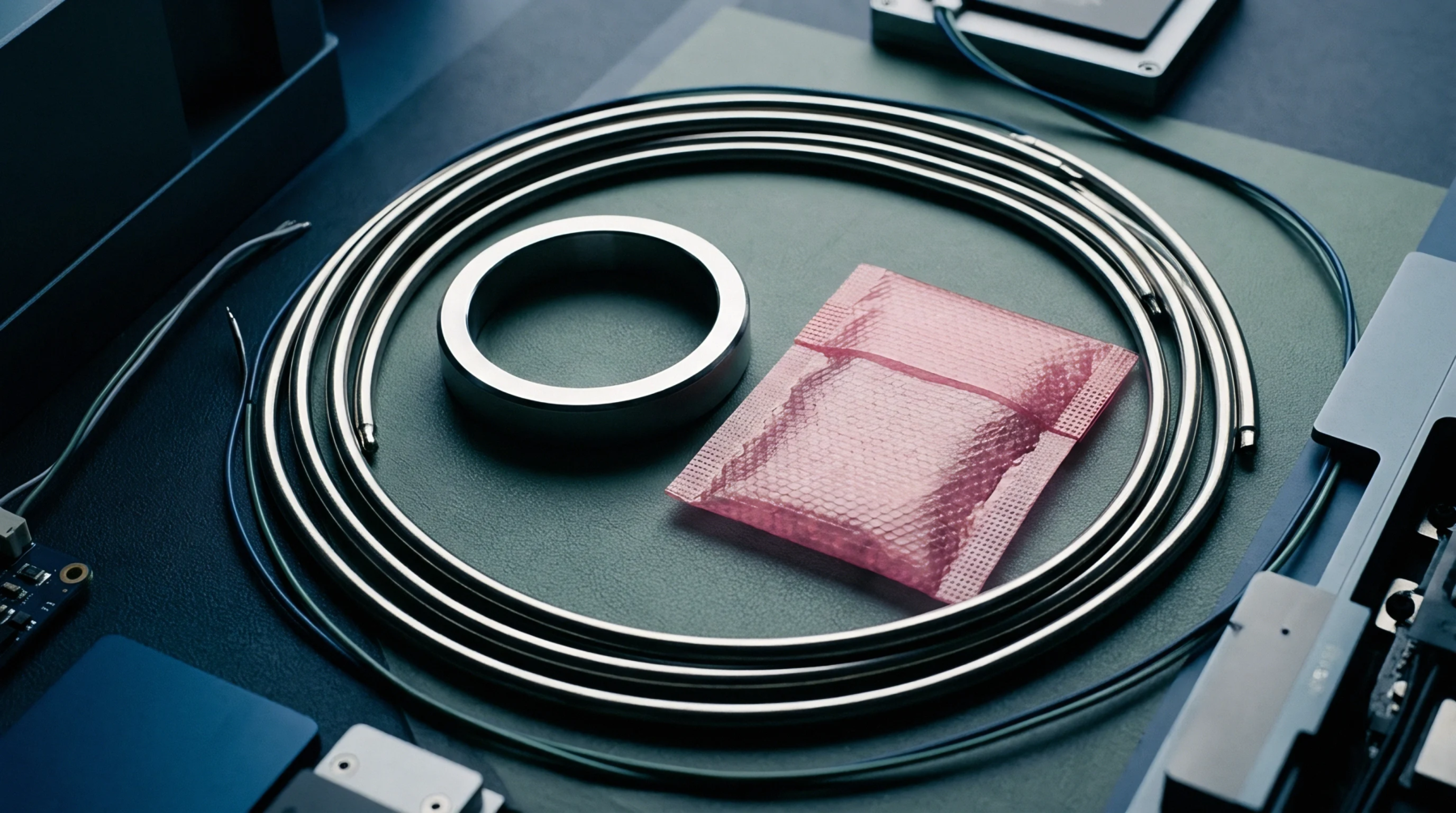
High aspect ratio blind vias require low Z-CTE filled laminates and pulse plating to prevent target pad separation during lead-free thermal cycling.
Dynamic inner layer scaling in heterogeneous stackups requires empirical strain modeling per material axis to maintain registration.
Thermal cycling causes physical aging and micro-cracking in post-cure resin, shifting relative permittivity and driving cumulative phase velocity drift in RF traces.
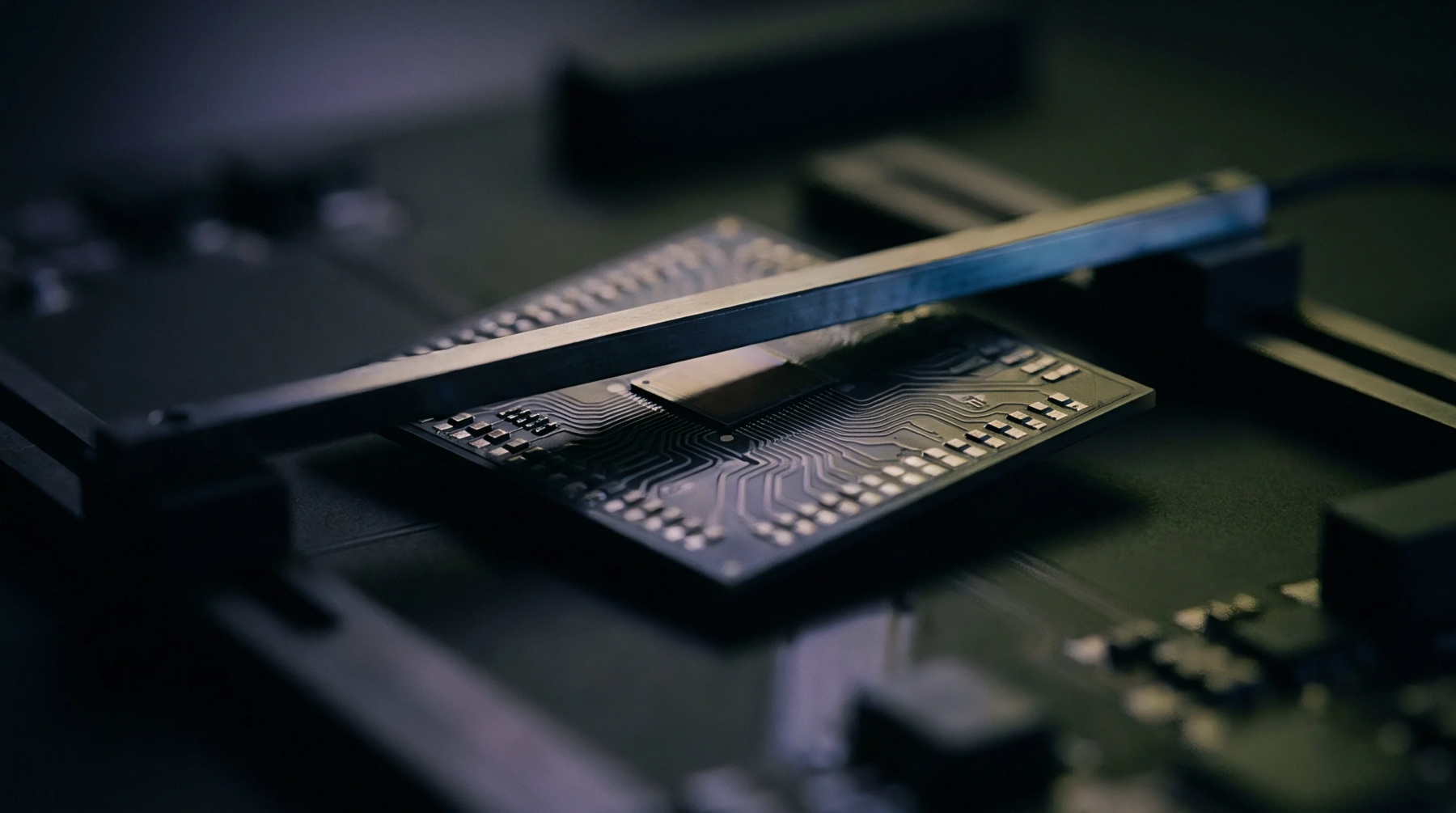
Microvia target pad separation stems from z-axis thermal expansion strain exceeding electroless copper interfacial bond strength during assembly reflow.
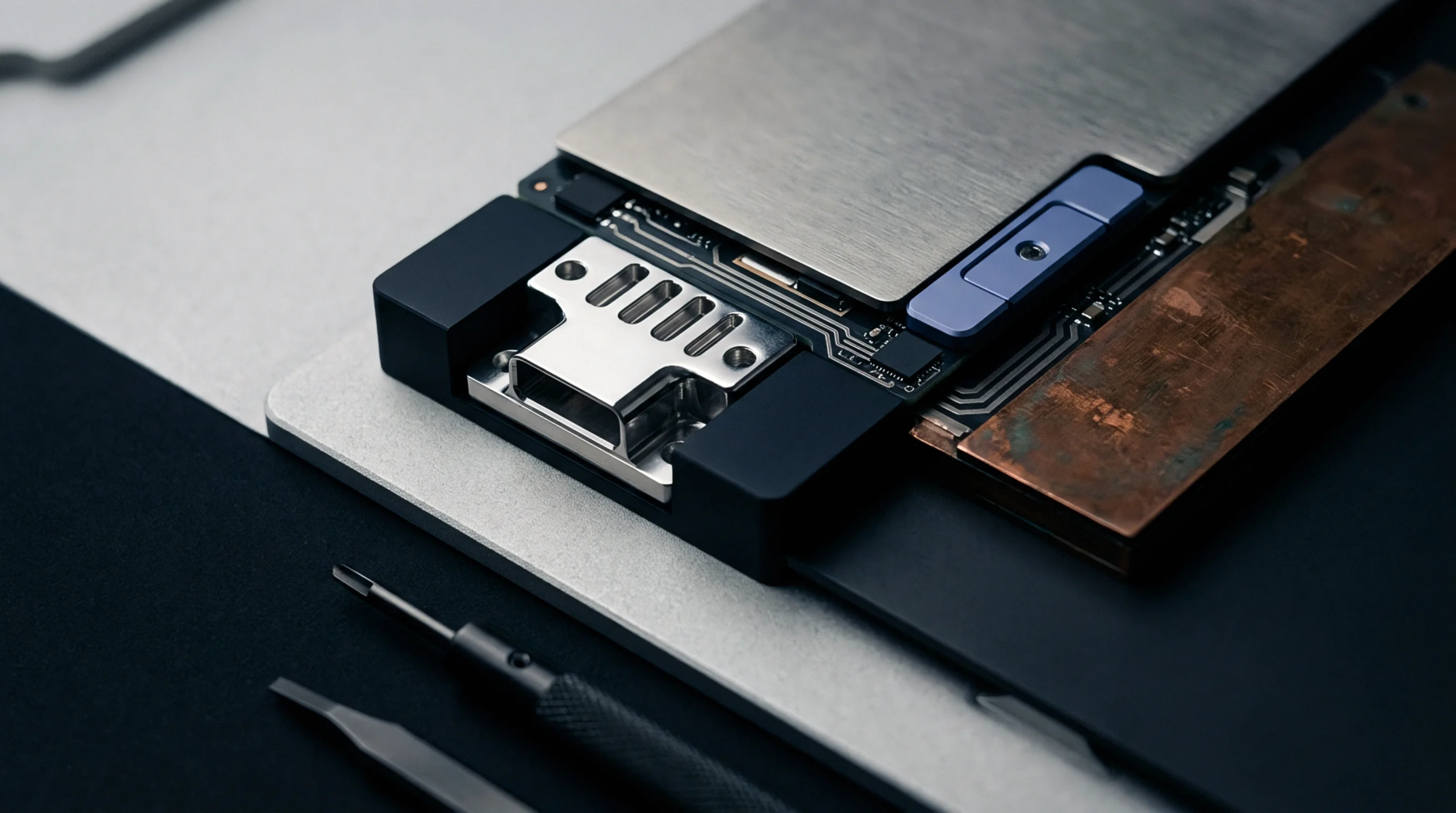
Dynamic viscosity minimums and hydraulic press profiles dictate complete microscale clearance filling, preventing latent internal voids and panel scrap.

Copper density gradients across sequential lamination stackups drive severe shear stress during reflow, requiring thieving and balance rules to protect yield.
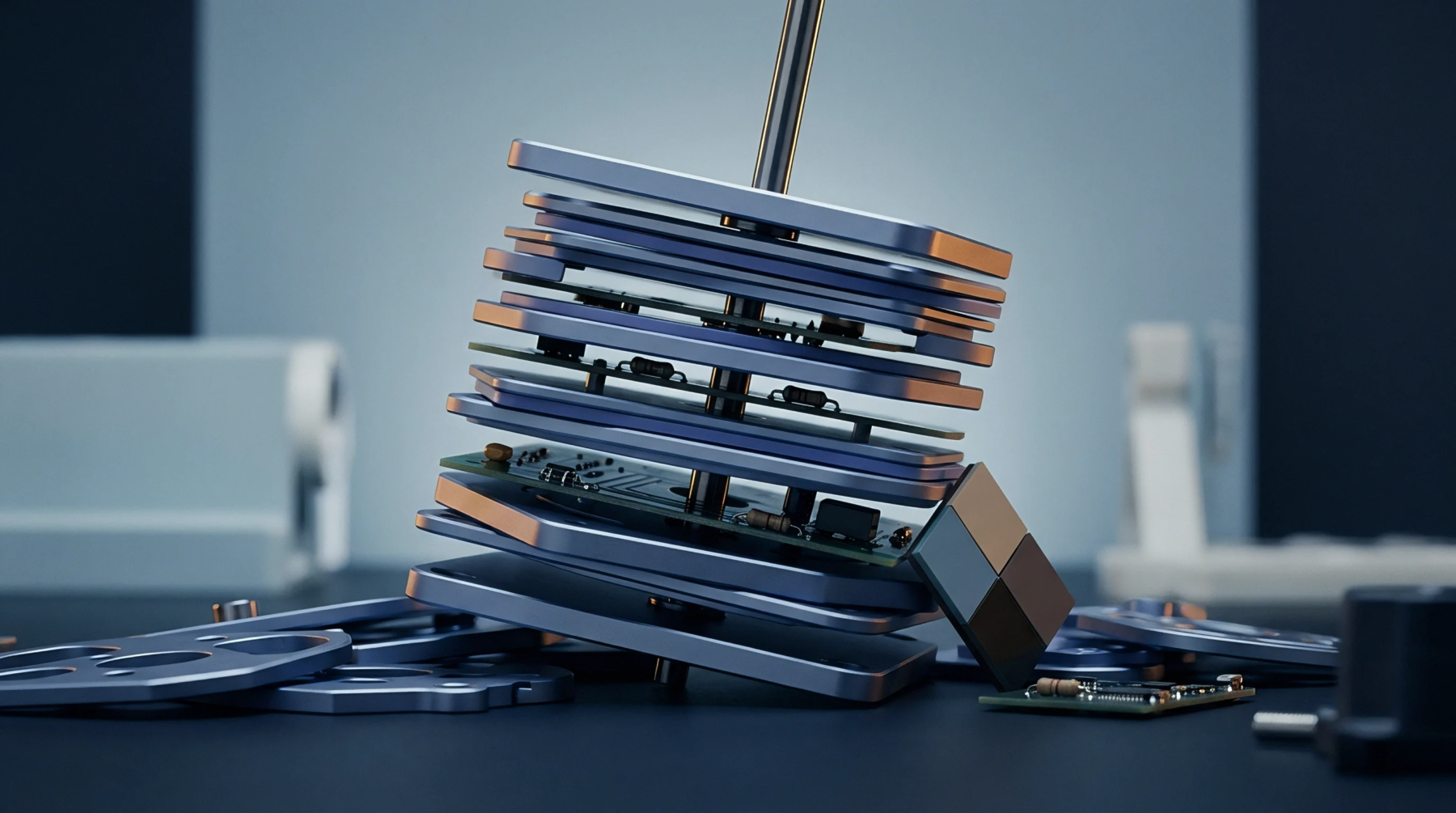
Fickian desorption calculations use temperature-dependent diffusivity to determine exact package bake times, preventing reflow popcorning and structural delamination.

Prepreg viscosity profiles under precise heating rates dictate resin fill, dielectric spacing, and internal layer registration in high frequency stackups.
Interconnect stress testing detects sub-micron post separations through dynamic resistance drift before static optical microsections show physical cracks.
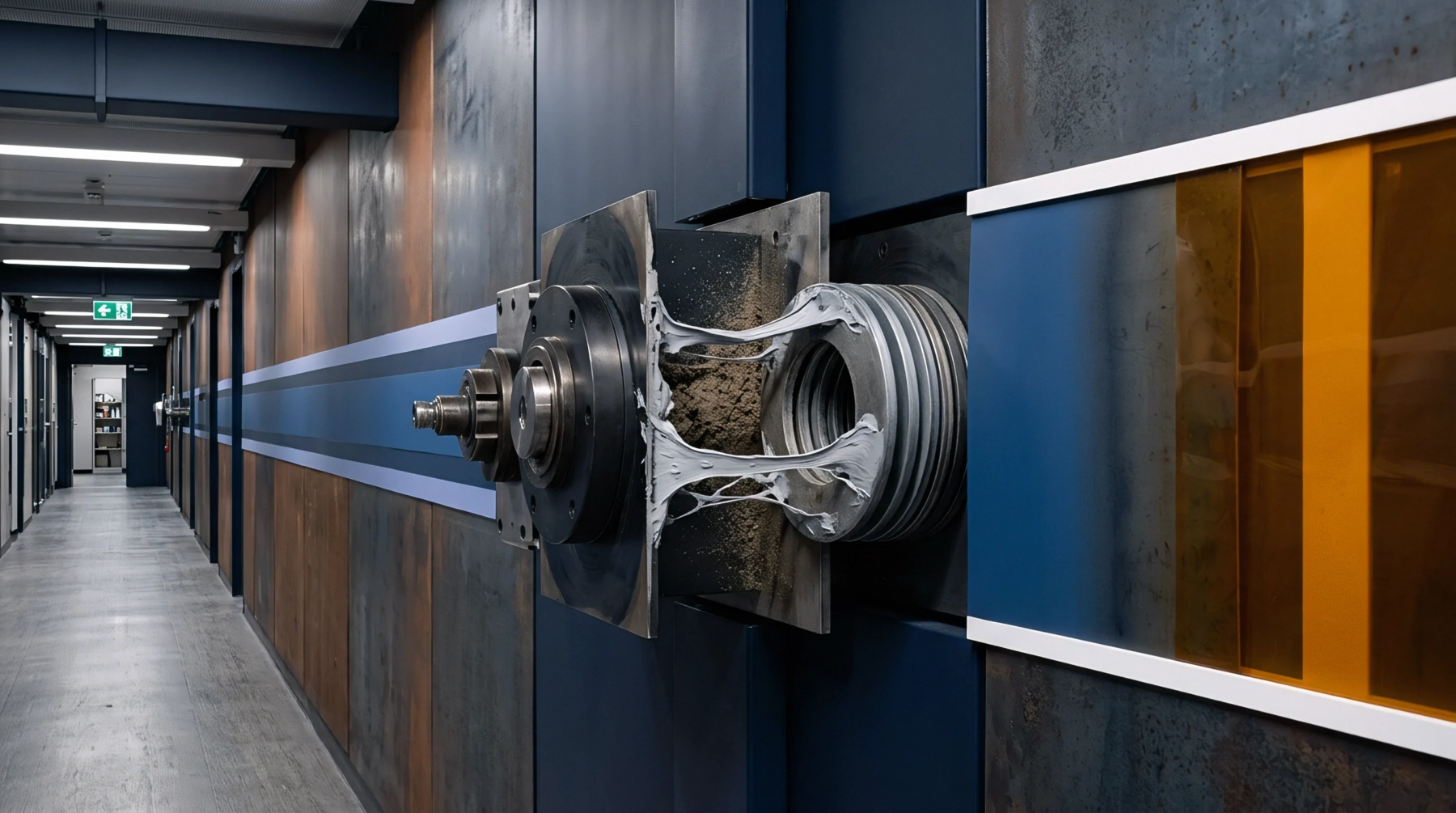
Matching dielectric CTE above Tg to copper ductility prevents inner layer interconnect fracture during high temperature reflow thermal profile cycles.

Fast cure cyanoacrylates exhibit viscoelastic shear relaxation that degrades strain transfer efficiency and causes zero drift under continuous static load.
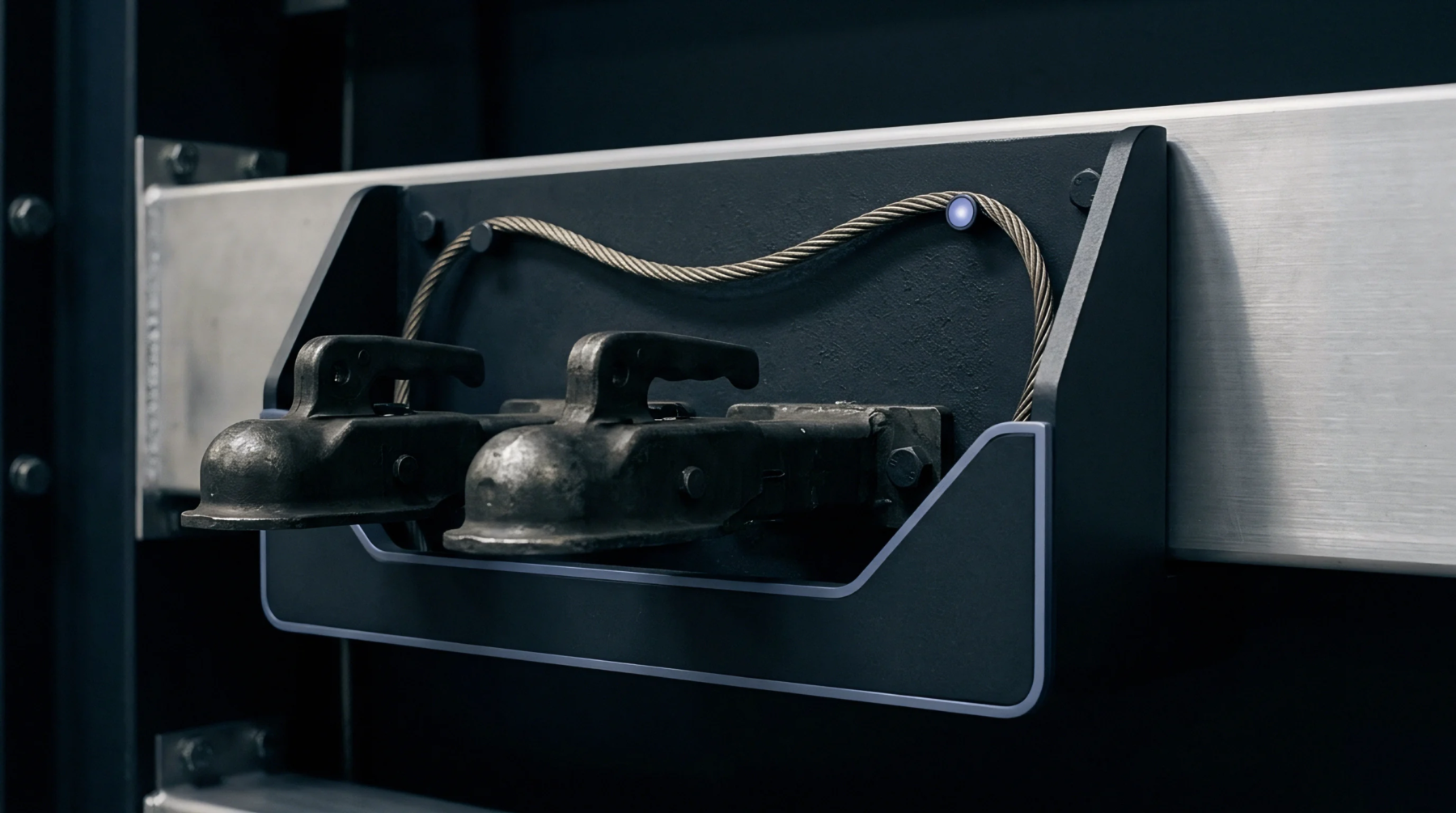
Cyclic thermal loading degrades epoxy shear modulus, causing strain transfer loss that demands strict bondline guard-banding in technical files.
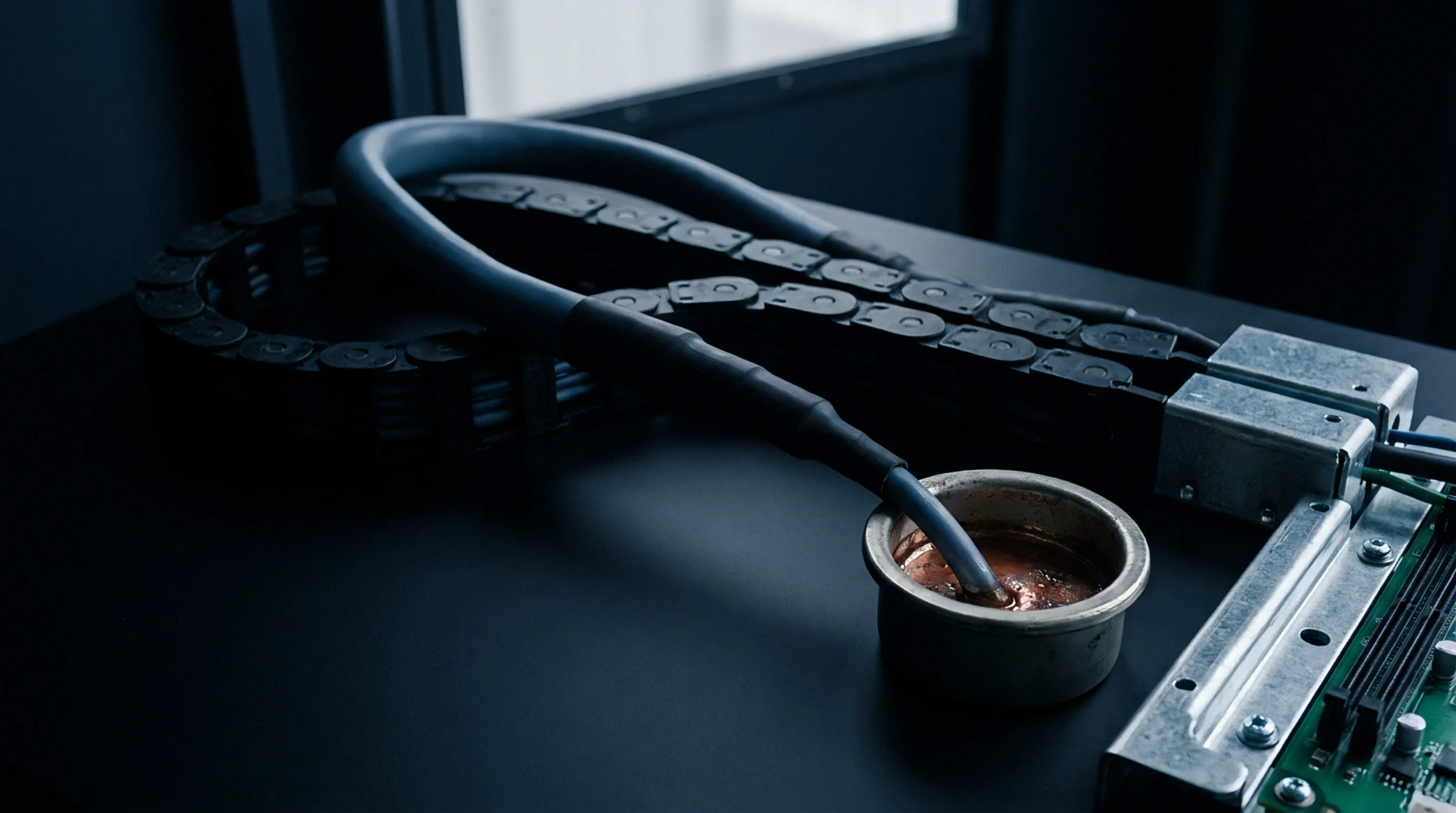
Structural strain transfer requires minimal bondline thickness, high shear modulus adhesives, and precise surface roughness matching to prevent measurement lag.
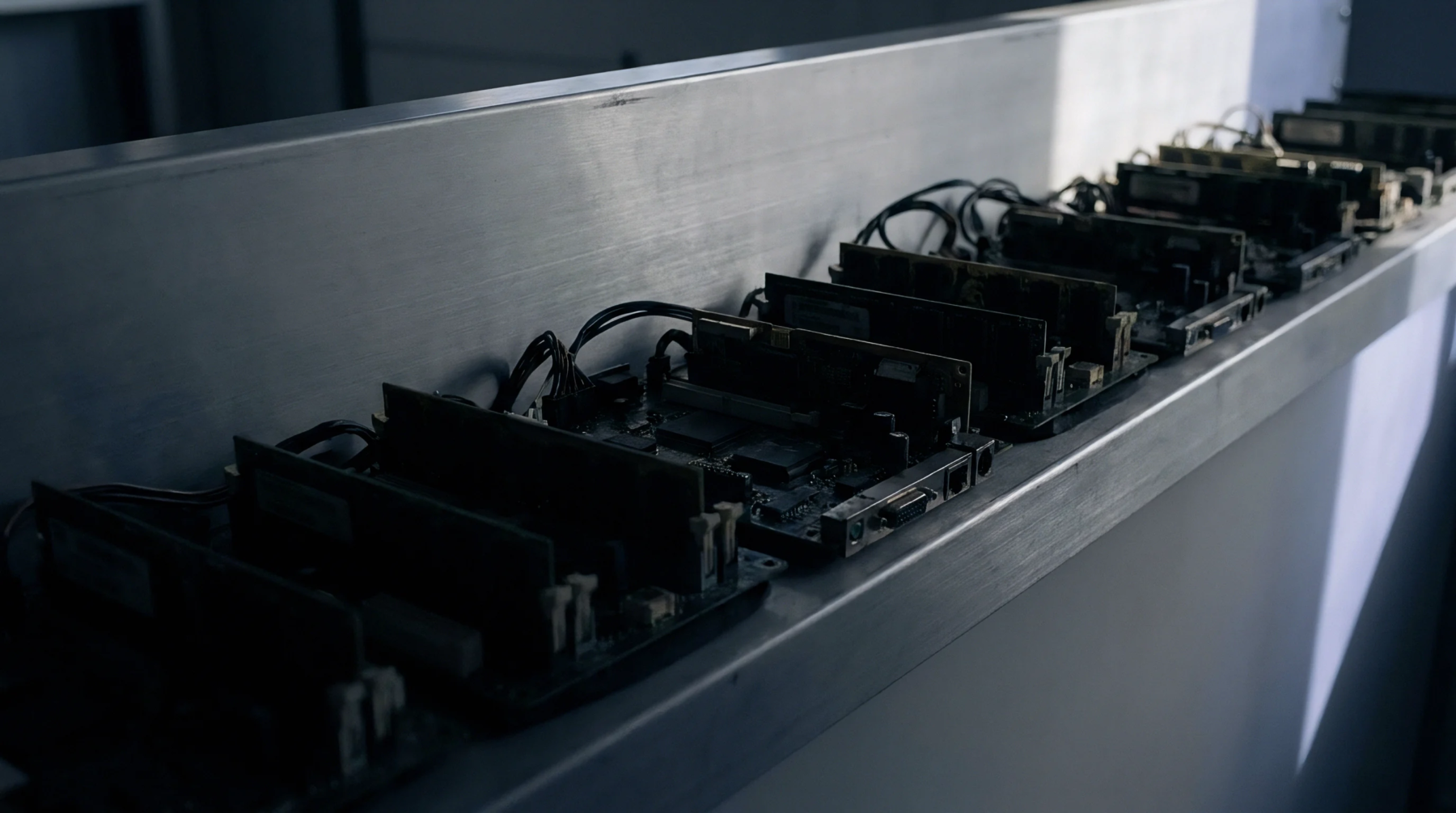
Sub-tier material drift erodes high-reliability board margins; mathematical risk modeling and rigorous chemical dossier validation eliminate latent field escapes.

Dynamic prepreg viscosity and cure kinetics dictate resin flow windows, microvia filling completeness, and layer encapsulation during HDI board lamination.
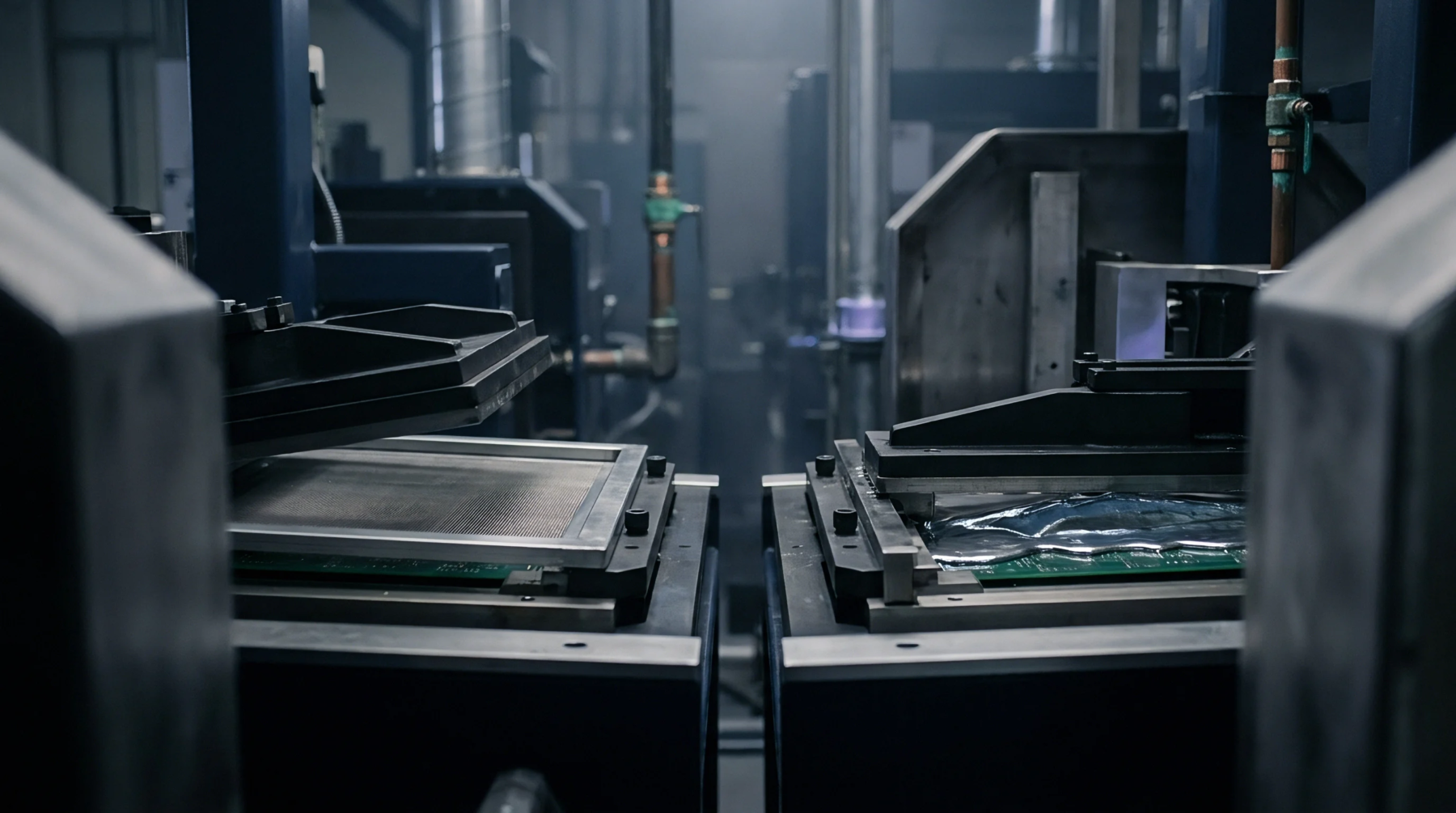
Standard test coupon layouts place structural patterns in panel frame gutters to verify microsection plating and trace impedance without sacrificing yield.
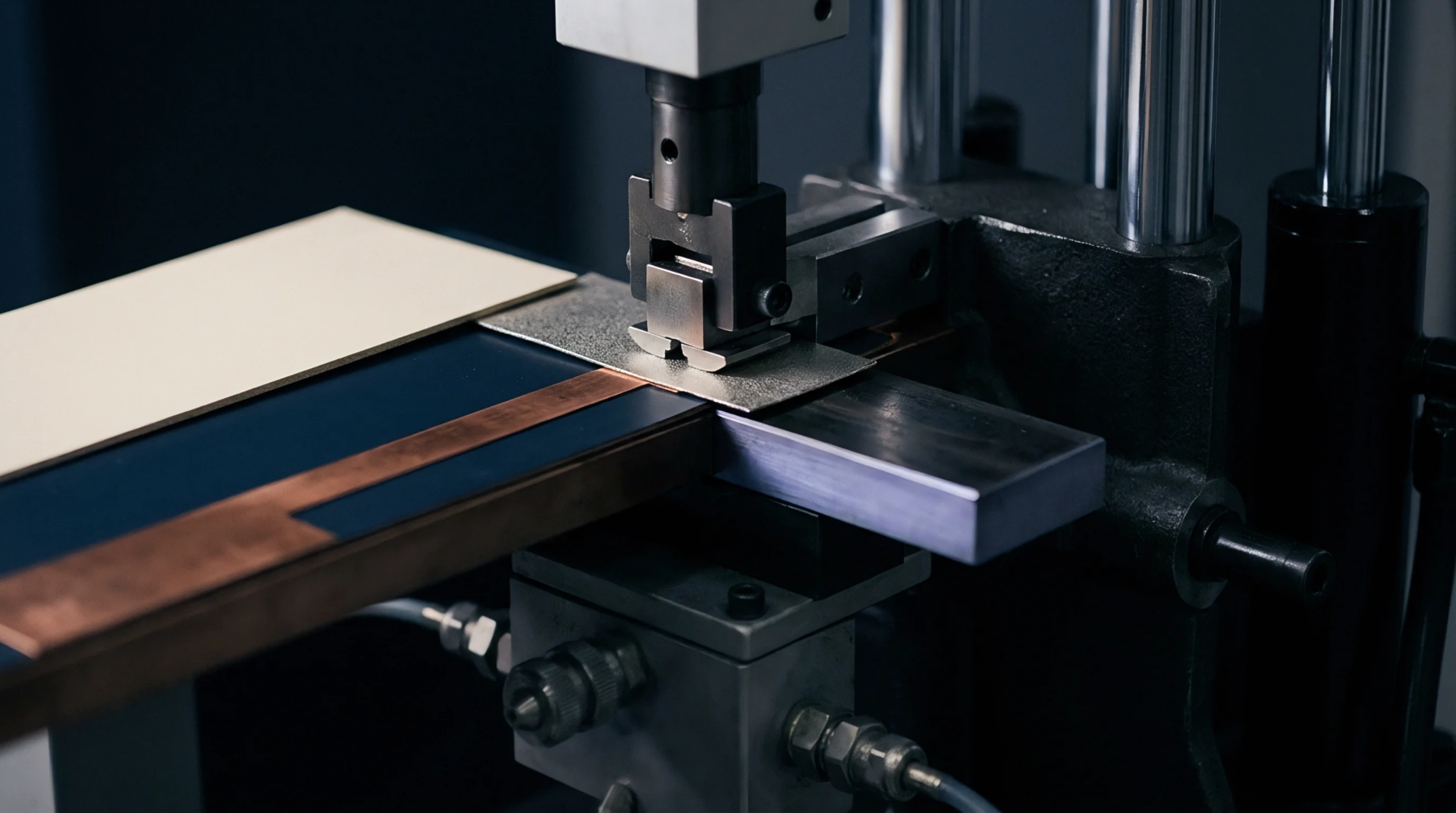
Predict anisotropic sub-core shrinkage by coupling glass yarn orientation with etched copper density across logarithmic decay models for each thermal pass.
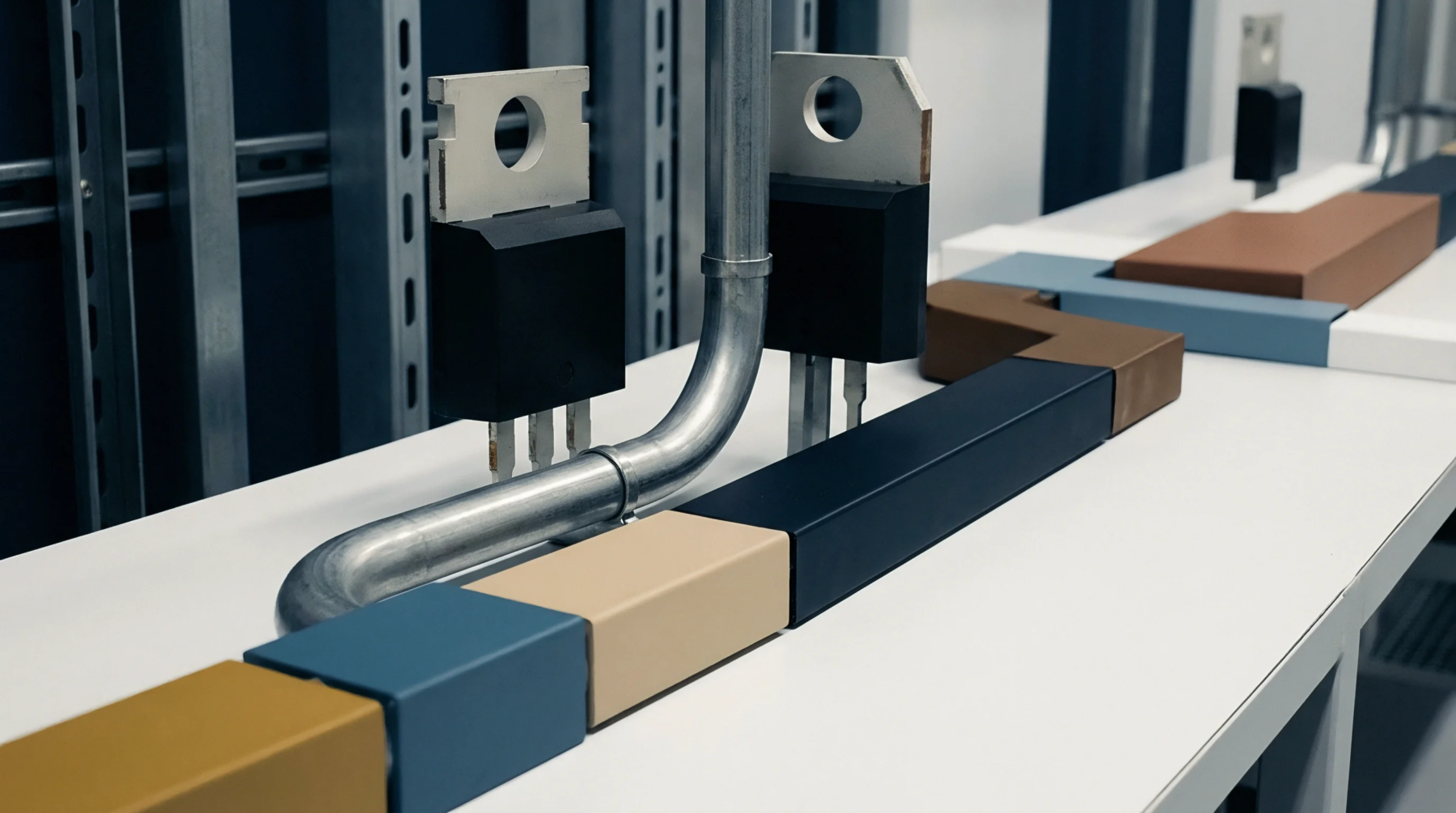
Quantifying composite matrix degradation requires depth-resolved FTIR and nanoindentation to track silane debonding and Tg loss from unreacted acid flux.
Calculated steam expansion pressures in reflowed plastic integrated circuits reach 4.69 MPa at 260°C, causing catastrophic delamination if moisture exceeds critical levels.
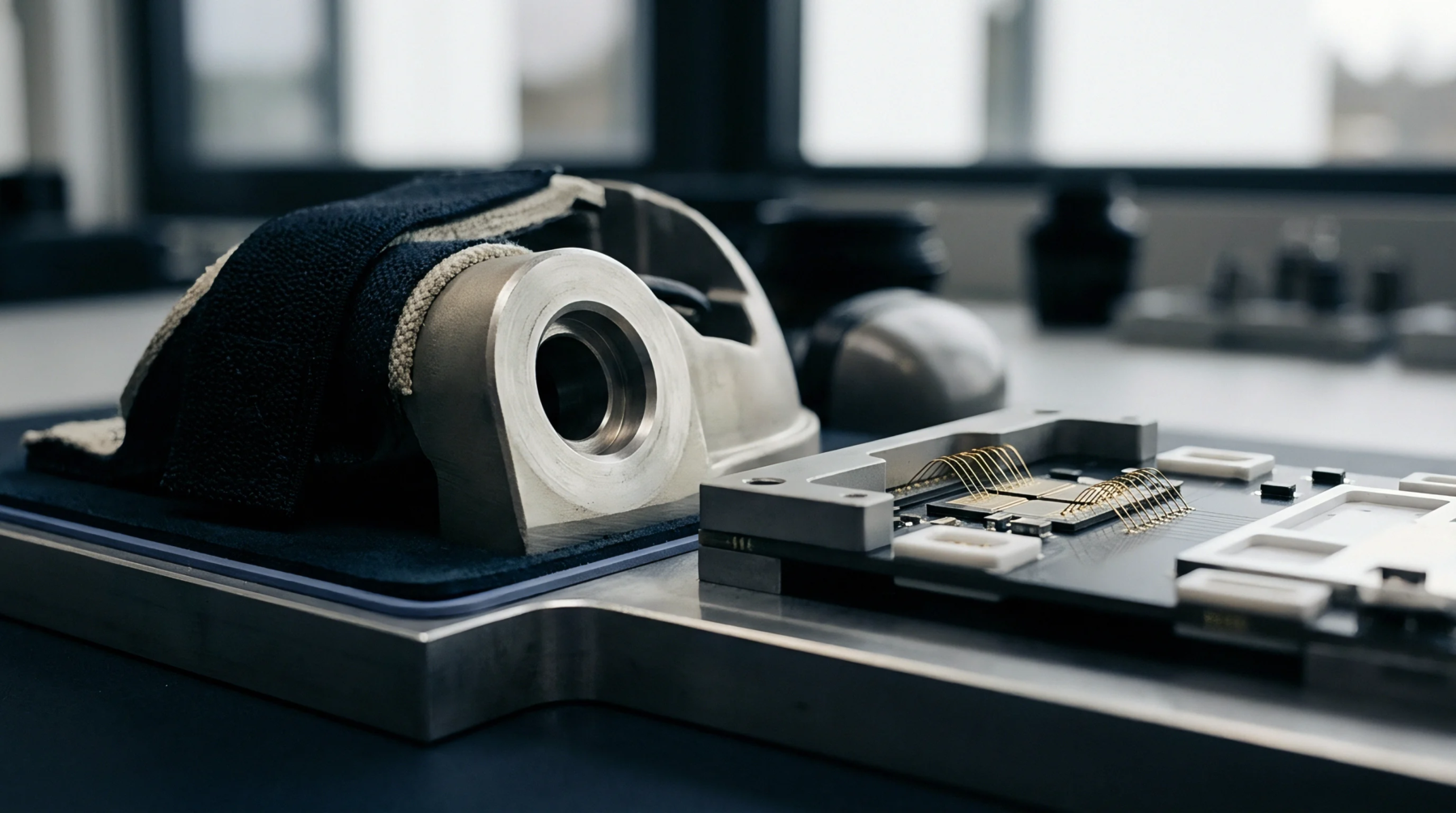
Microvia interface mechanics dictate that thermal cycling drives out-of-plane dielectric expansion, inducing shear failure at contaminated target pad boundaries.

Non-linear shear modeling predicts accumulated plastic strain at microvia target pads during sequential lamination, preventing assembly reflow failures.
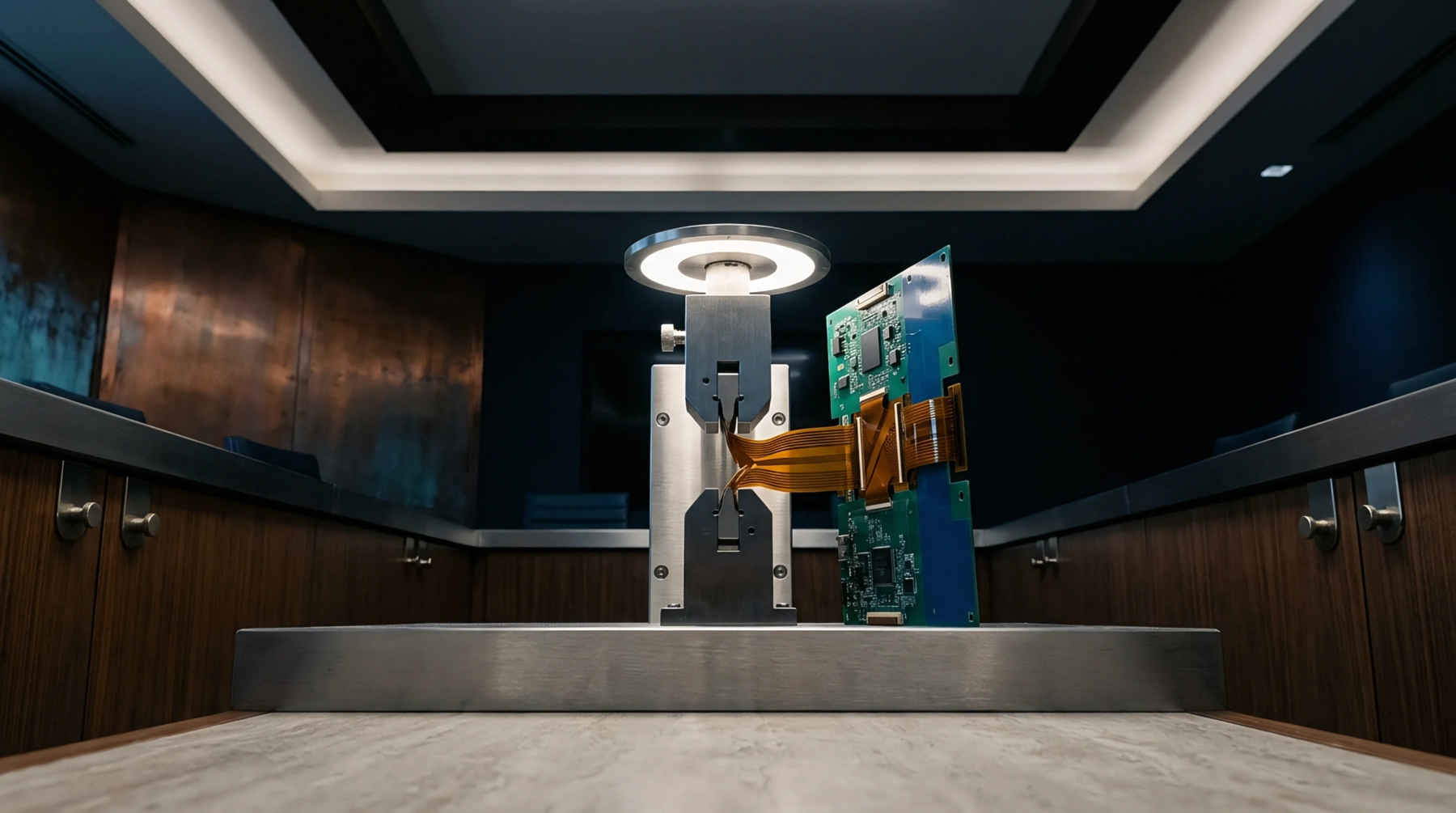
Anisotropic tensor creep models prevent layer misregistration and microvia failure by accounting for glass weave shear strain under reflow thermal cycles.
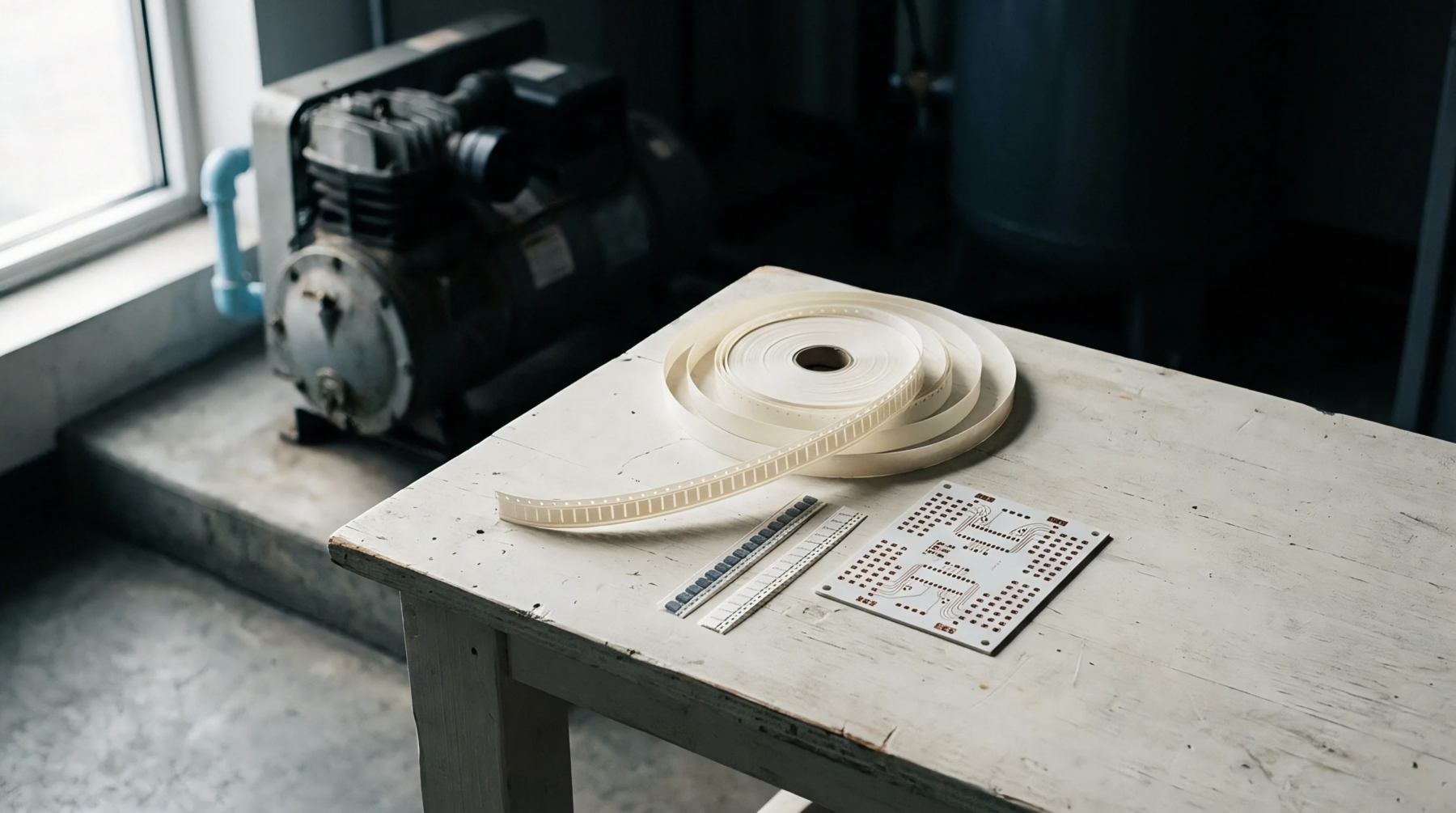
Cyanate ester flexural stiffness induces adhesive shear lag and interfacial microcracking, causing rosette signal loss and latent solder interconnect escapes.
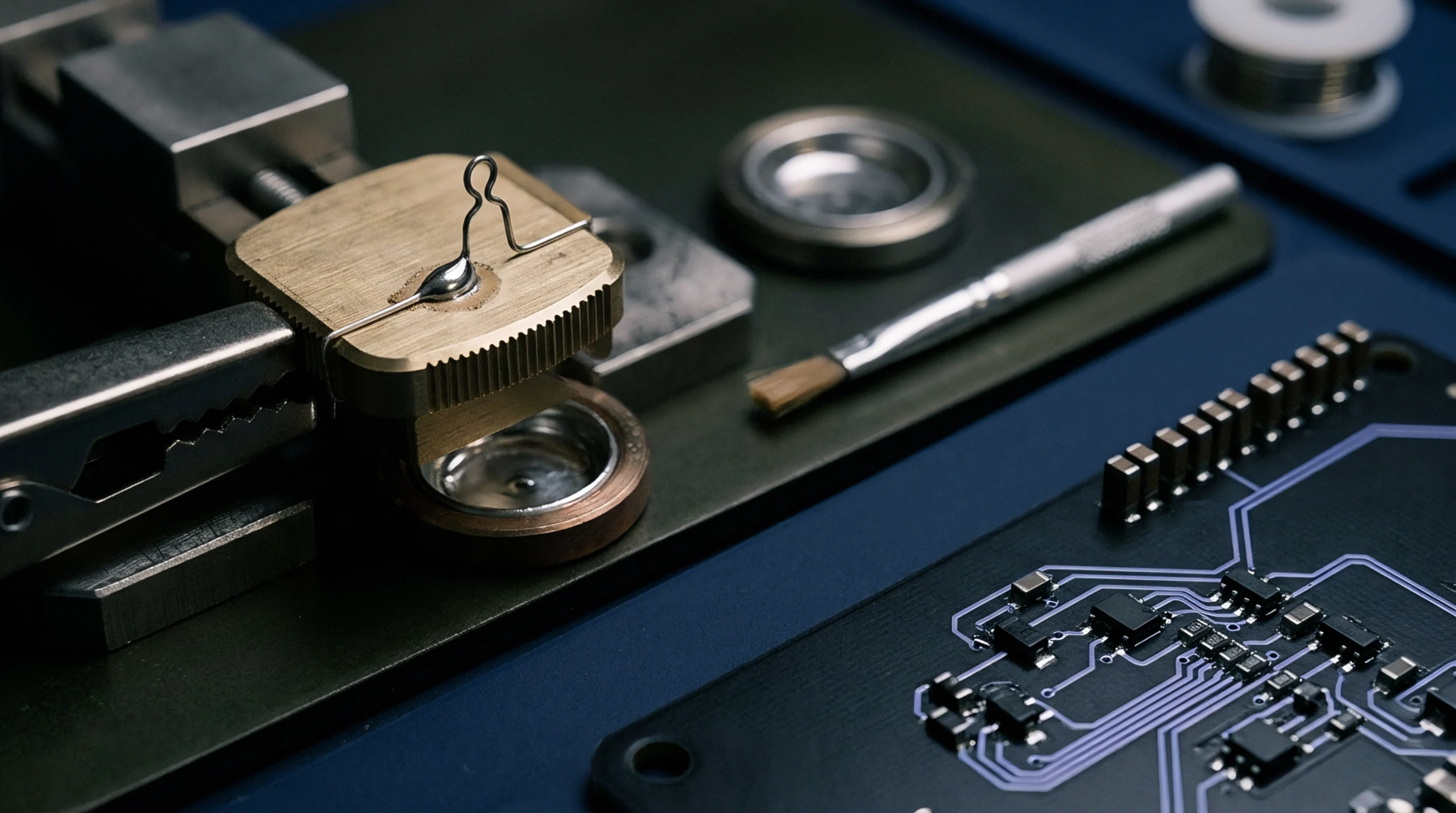
Heavy copper lamination shear stress stems from CTE mismatch and trace height steps, requiring controlled press ramps, high-resin prepregs, and optimized surface treatments to prevent delamination.
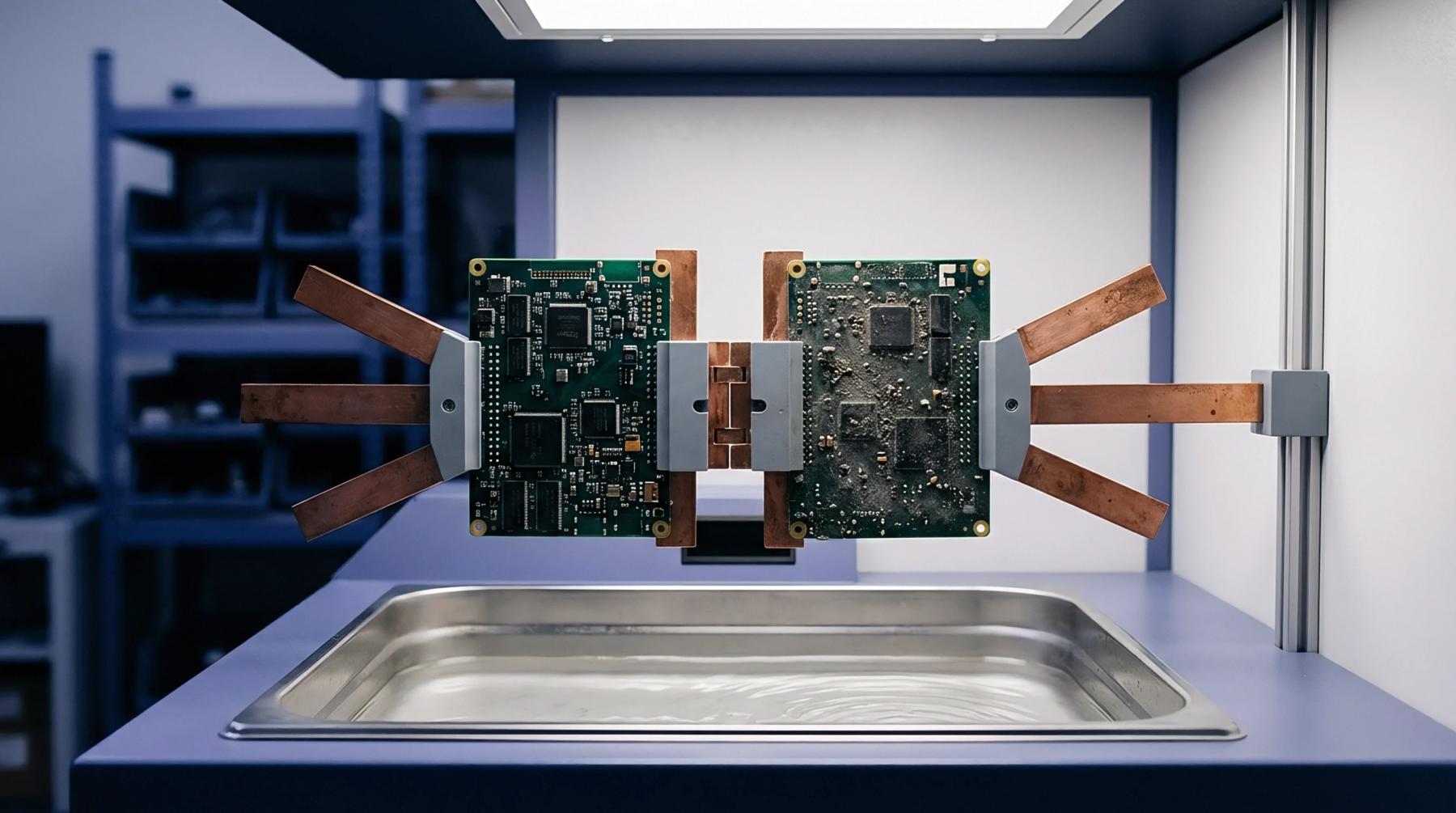
Dynamic thermal stress screening using micro-ohm glitch detection isolates latent intermittent microcracks in high-density multilayer substrates before release.
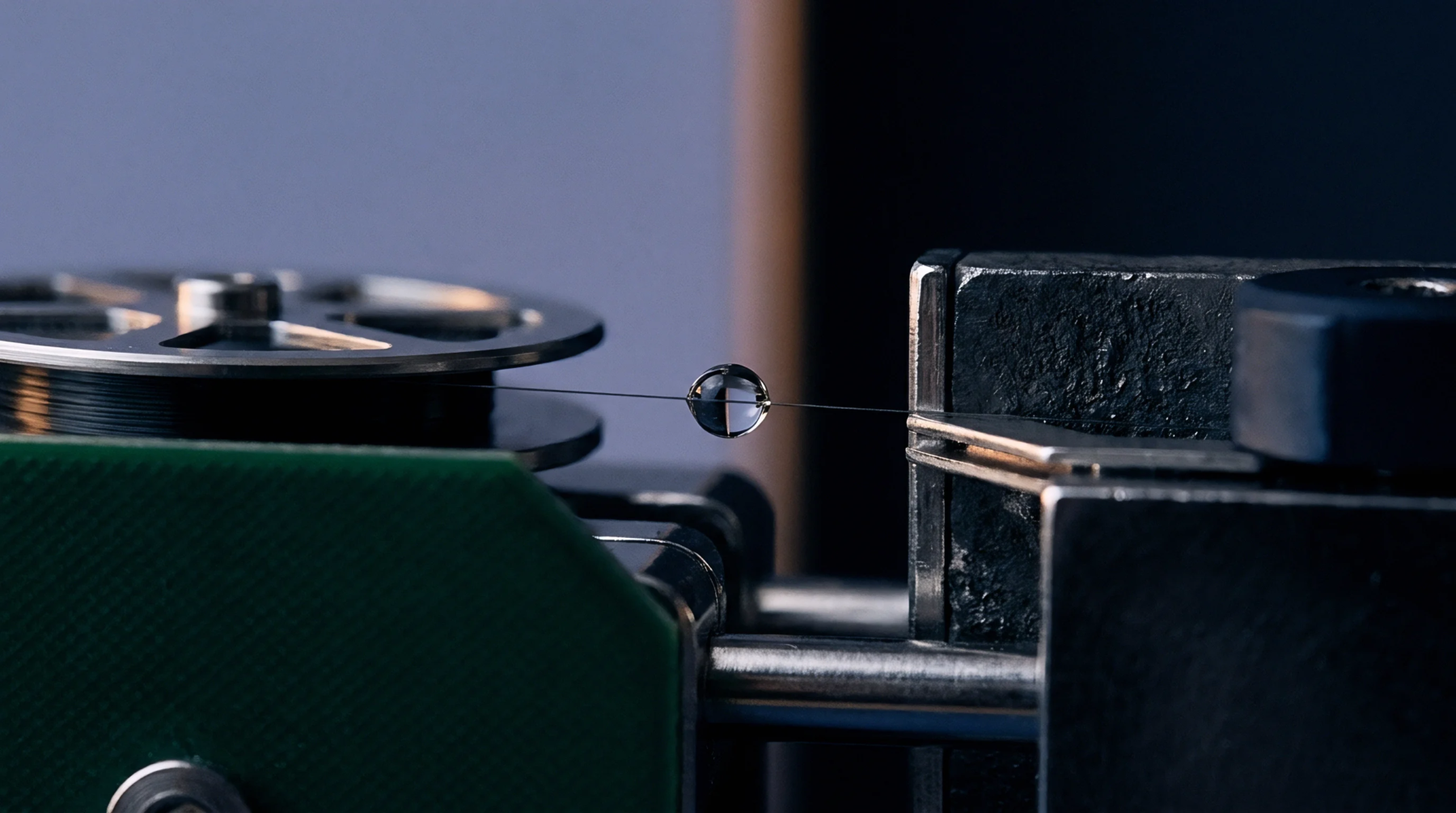
Substrate Z-axis thermal expansion above Tg drives low-cycle fatigue and target pad separation in HDI microvias during SAC305 lead-free reflow profiles.
Expertise is a utility, not a secret. sentiention™ publishes its working knowledge as open reference: intelligence layer covering the materials it sources, the markets it enters, and the reference that serves both.