
Managing Cross-Border Escrow Mechanisms for Proprietary In-Circuit Test Executable Files
Cross-border escrow for in-circuit test executables isolates raw vector source while delivering hardware-locked binaries through verified neutral vaulting.
Cross-border escrow for in-circuit test executables isolates raw vector source while delivering hardware-locked binaries through verified neutral vaulting.

Securing legal title to custom tooling demands milestone payment terms, permanent asset metal tags, public UCC filings, and clear bailment maintenance records.

Clear title to in-circuit test hardware requires milestone vesting clauses, perfected public bailment filings, and uncompiled vector source deliverables.

Combining IEEE 1149.6 boundary scan vectors with unpowered analog testing eliminates parametric capacitor fault escapes on high-speed differential pairs.

Boundary scan cell allocation dictates structural fault coverage by converting physical IC pins into software-driven stimulus and response registers.

Modified counting sequence vectors compress boundary scan runs to logarithmic depth, isolating micro-bridges and cracked solder joints before field exposure.

IEEE 1149.6 AC boundary scan testing requires precise alignment between cell hysteresis thresholds and channel RC time constants to catch AC coupling defects.
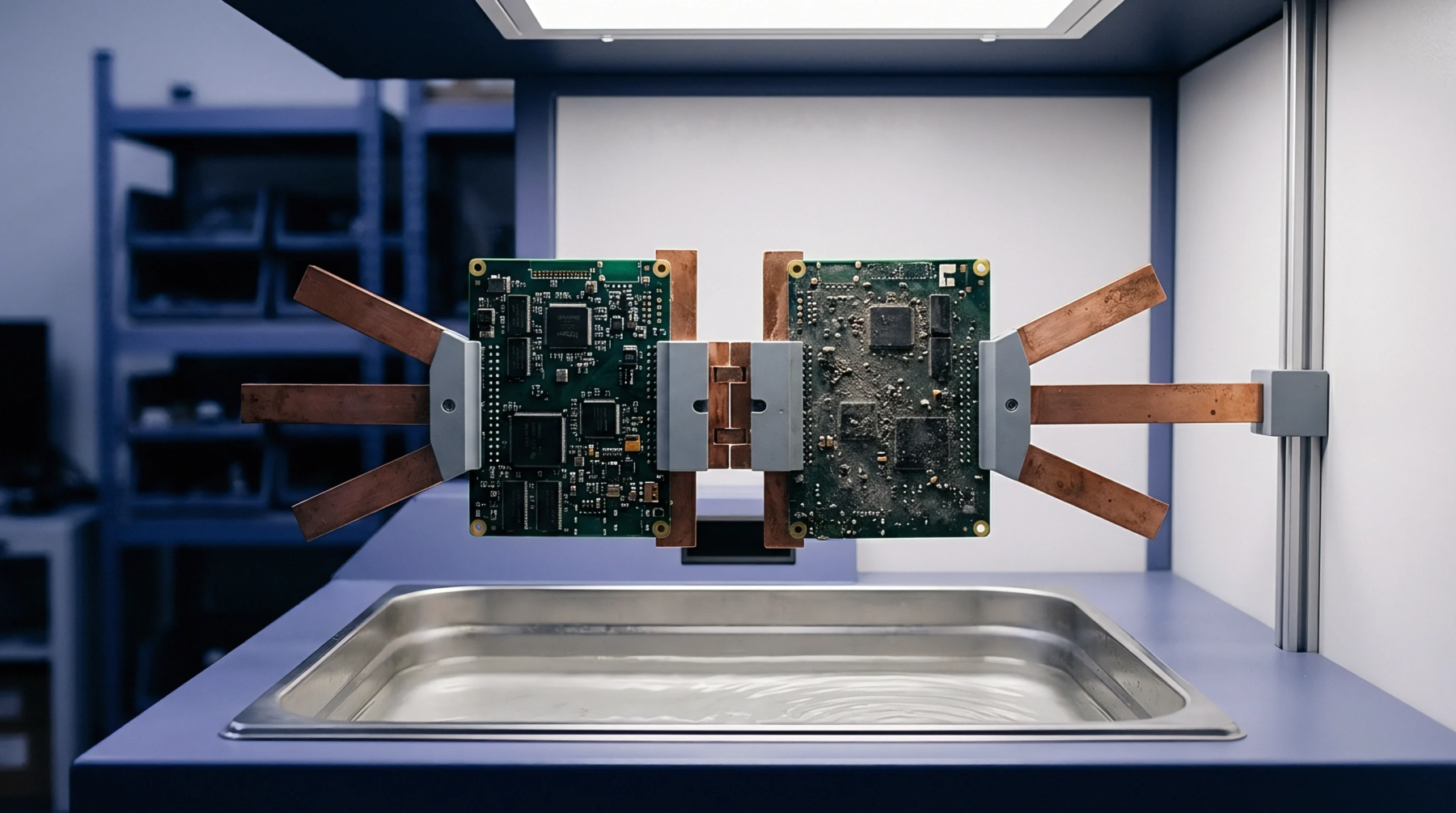
Validate BSDL syntax and IEEE 1149.1 cell semantics prior to ATPG to prevent shift register misalignments, driver contention, and false defect calls.

Boundary scan testing uses a five-pin TAP interface and 16-state controller to verify PCB trace integrity and detect assembly faults without physical probe access.
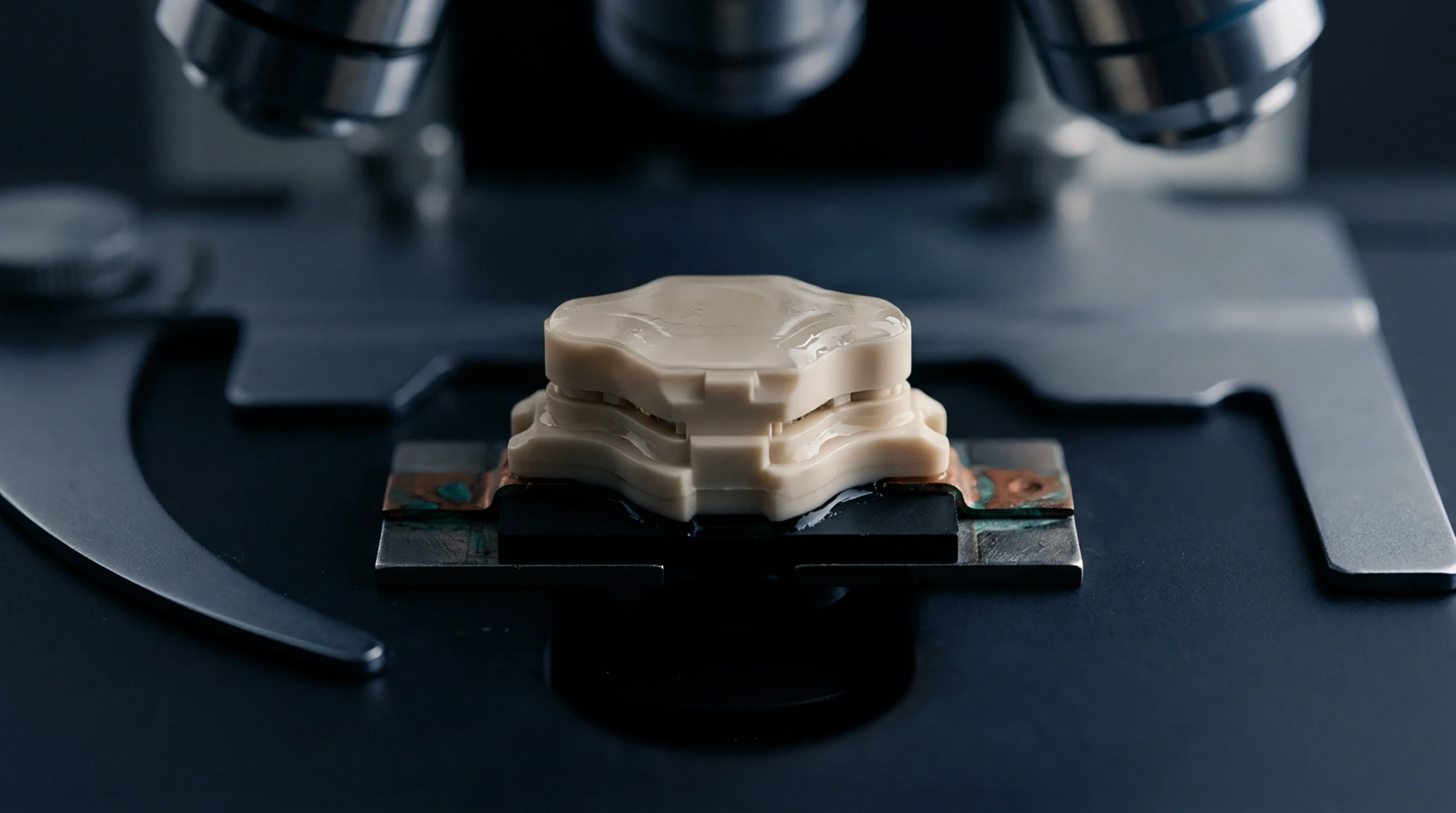
Phase-separated ground layers limit transient extraction through local dielectric polarization saturation and microvia current crowding under high di/dt loads.
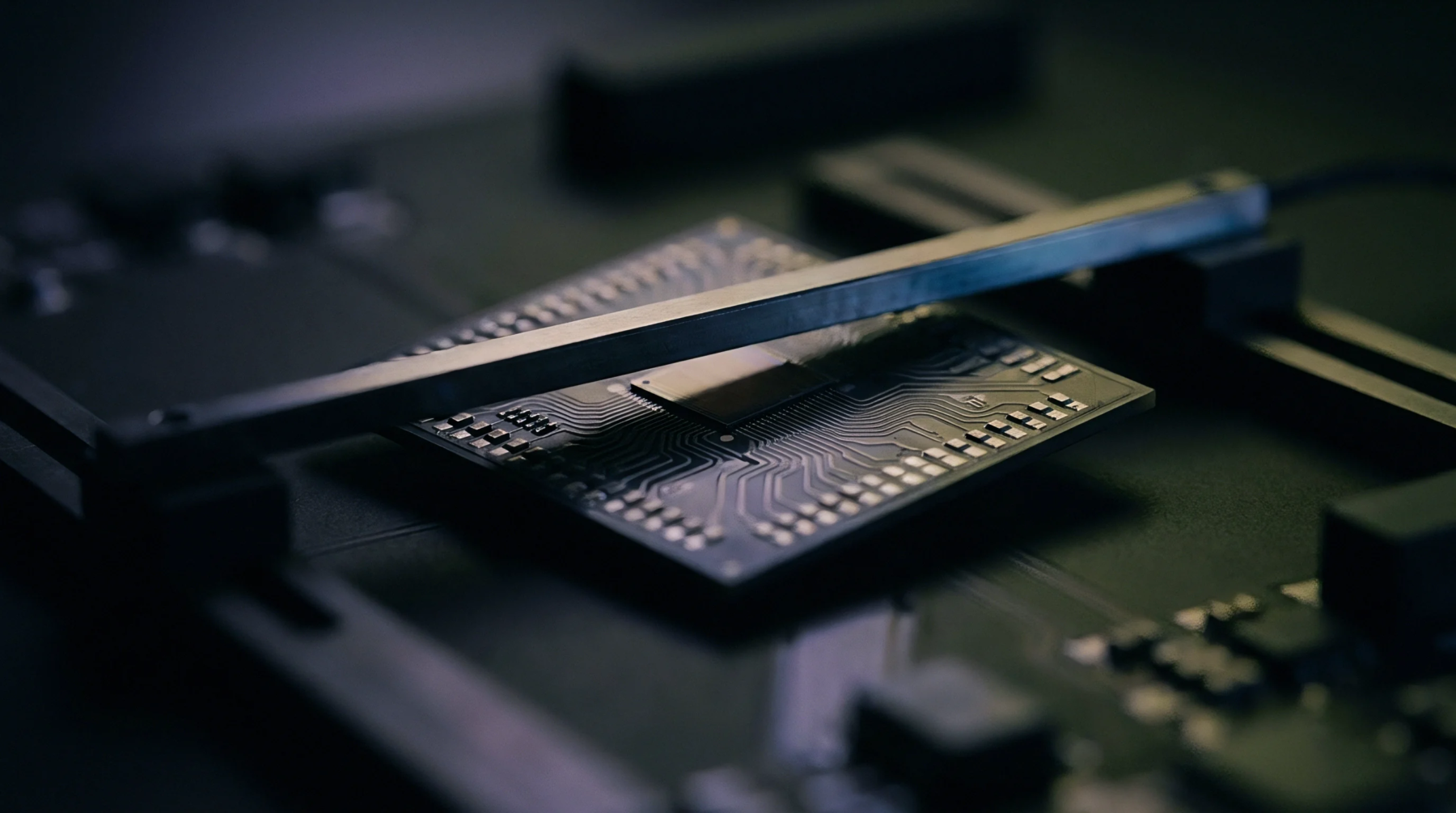
Sub-Hertz phase angle extraction isolates interfacial charge entrapment and latent ionic leakage in multilayer insulation, failing defective lots before assembly.
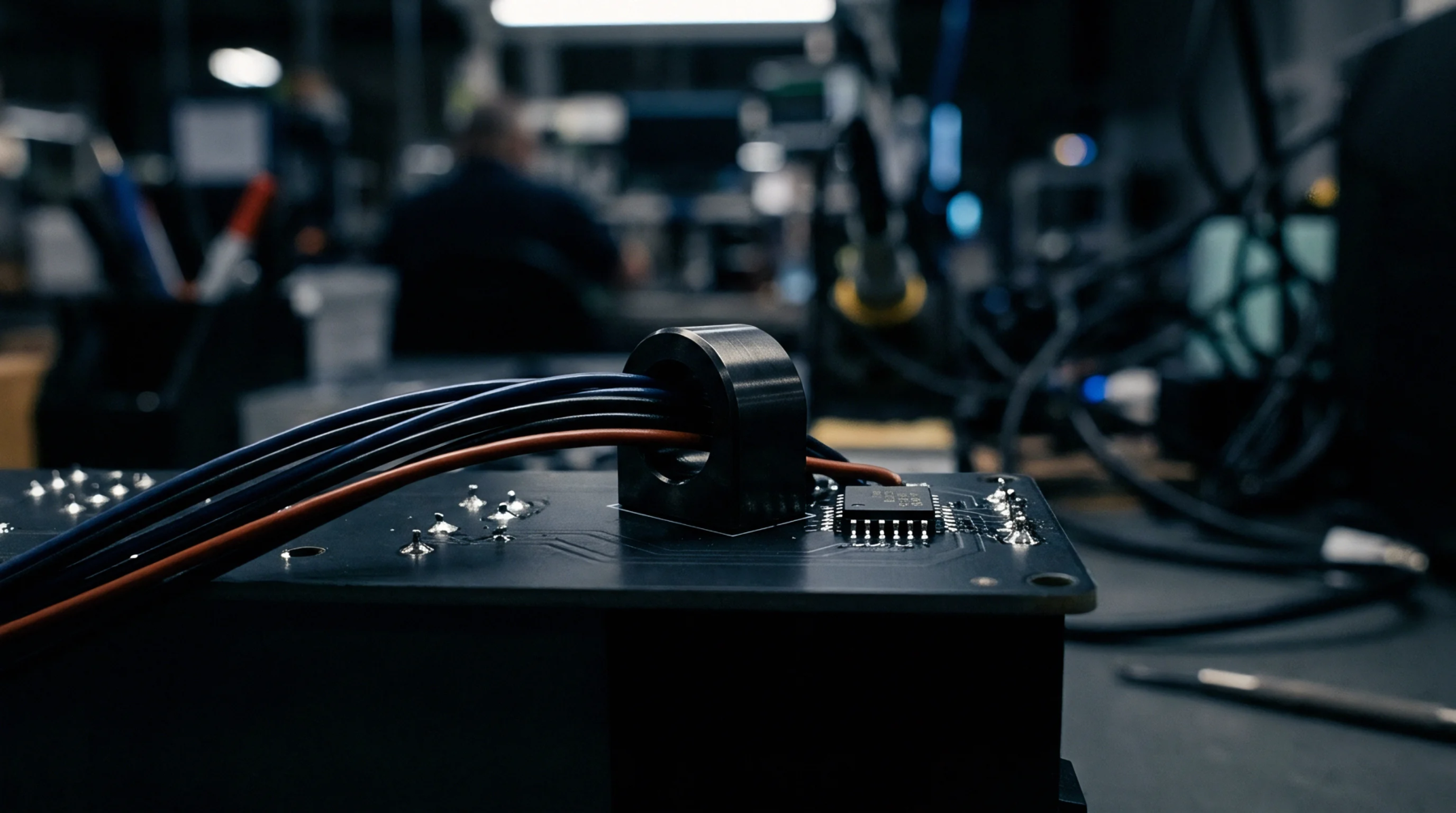
Apportioning latent solder degradation losses requires metallurgical micro-sectioning to isolate process defects from thermal fatigue before enforcing warranty indemnity.

Weibull shape parameters below unity reveal latent microstructural interface escapes that pass zero-hour electrical testing but fail under thermal stress.

Thermal fatigue in surface mount joints is driven by CTE mismatch creep and interfacial voiding, requiring event-detected thermal cycling to prevent field failure.

Integrating IEEE 1149.1 and 1149.6 boundary scan vectors recovers structural test coverage on unprobed nets, eliminating latent BGA solder escapes before shipment.

Structural coverage on unprobed HDI boards requires weighted PCOLA-SOST defect modeling combining IEEE 1149.6 AC scan, 3D X-ray slice data, and optical vision matrices.

Dedicated test pads and balanced fixture actuation eliminate false solder joint passes while guarding networks isolate parallel analog impedances.

Electromagnetic coupling and impedance discontinuities in aging probe arrays stem from tip wear, force decay, and inter-pin crosstalk that degrade high frequency test accuracy

Fine pitch test socket insertion loss degrades through tin smear and plating wear, demanding cycle-based IEEE 370 de-embedding to prevent false scrap.

Dynamic contact resistance measurement requires true four-wire Kelvin topologies, dry-circuit excitation voltage caps, and offset-compensated drive currents.

Dynamic thermal resistance monitoring on D-coupons isolates latent microvia separations, enabling contractual scrap cost transfers before assembly.

Guardbanding high-density interconnect audits requires four-wire Kelvin sensing and high-frequency reflectometry to catch latent microvia opens before reflow.

Fine pitch BGA electrical testing requires combining IEEE boundary scan, functional register checks, and dynamic stress to cover unprobed microvia-in-pad nets.

Bonepile scrap liability shifts to the assembly contractor if rework preheat falls below specified thresholds or if soldering dwell times exceed limits.
Diagnostic labor caps balance technician hourly payroll against scrap value to prevent unprofitable rework cycles on defective printed circuit board assemblies.
Adjusted first pass yield masks manufacturing defects and latent thermal damage through unlogged re-probes, widened guard bands, and hidden manual rework.

Operational heat shifts substrate permittivity, detuning filters and creating common-mode radiation that erases radiated compliance margins.

Loss tangent increases sharply near glass transition temperature, driving thermal eye closure and insertion loss drift that demand elevated-temperature coupon screens.
Operating thermal elevation shifts dielectric permittivity and expands layer spacing, driving gigahertz power plane edge radiation into non-compliance.

Predicting high-frequency plane radiation requires Monte Carlo modeling of capacitor tolerances to ensure power distribution networks pass CISPR 32 limits.
Expertise is a utility, not a secret. sentiention™ publishes its working knowledge as open reference: intelligence layer covering the materials it sources, the markets it enters, and the reference that serves both.