
Deploying Embedded IJTAG PRBS Instruments under Environmental Stress Screening Regimes
Embedded IJTAG PRBS instruments run during stress screening capture transient interconnect failures that static functional bench tests miss.
Embedded IJTAG PRBS instruments run during stress screening capture transient interconnect failures that static functional bench tests miss.

Gigahertz line discontinuities escape static boundary scans; isolating impedance dips, stubs, and microcracks demands sub-twenty picosecond reflectometry.

Dynamic strain gauge rosettes require DC-coupled signal conditioning with over 25 kHz bandwidth to capture destructive pneumatic fixture impacts.

In-circuit test fixtures demand dynamic strain verification below 500 microstrain to prevent pad cratering and solder fracture caused by push pin imbalance.

Strain gage testing establishes microstrain and strain rate boundaries across assembly steps to prevent solder joint rupture and laminate pad cratering.
Latent microvia defects require coupon stress testing to expose interfacial shear and contract clauses allocating full assembly replacement costs to the fabricator.
Boundary scan tools overstate AC-coupled differential net coverage because low-frequency test patterns cross broken joints via stray capacitive coupling.
Managing test access loss requires combining miniature spring probes, boundary scan, and 3D X-ray inspection to prevent expensive latent defect field escapes.

Coupled creep and cyclic shear in polyimide dielectrics accelerate microvia barrel cracking and resistance drift under non-uniform contact pressures.

Acoustic phase-inversion scanning detects latent interlaminar delamination in HDI circuits before thermal reflow turns unbonded interfaces into open circuits.

Characterize in-circuit test bending strain using high-speed triaxial rosettes and IPC-9704 limits to eliminate latent solder cracking and pad cratering.

Dynamic structural plate deflection must stay below 10 microns to prevent contact force loss, scrub runout, and false opens in sub-100-micron micro probe fixtures.

Dynamic strain measurement balances push finger down-stops against bed-of-nails probe forces, preventing latent solder cracks during fixture actuation.

In-circuit test pad access on fine pitch boards balances fixture mechanical pointing tolerance against board strain and nodal fault coverage economics.
Finite element modeling of ultra-fast ramps predicts interfacial shear failure, establishing safe thermal profile limits for high-frequency PTFE circuit boards.
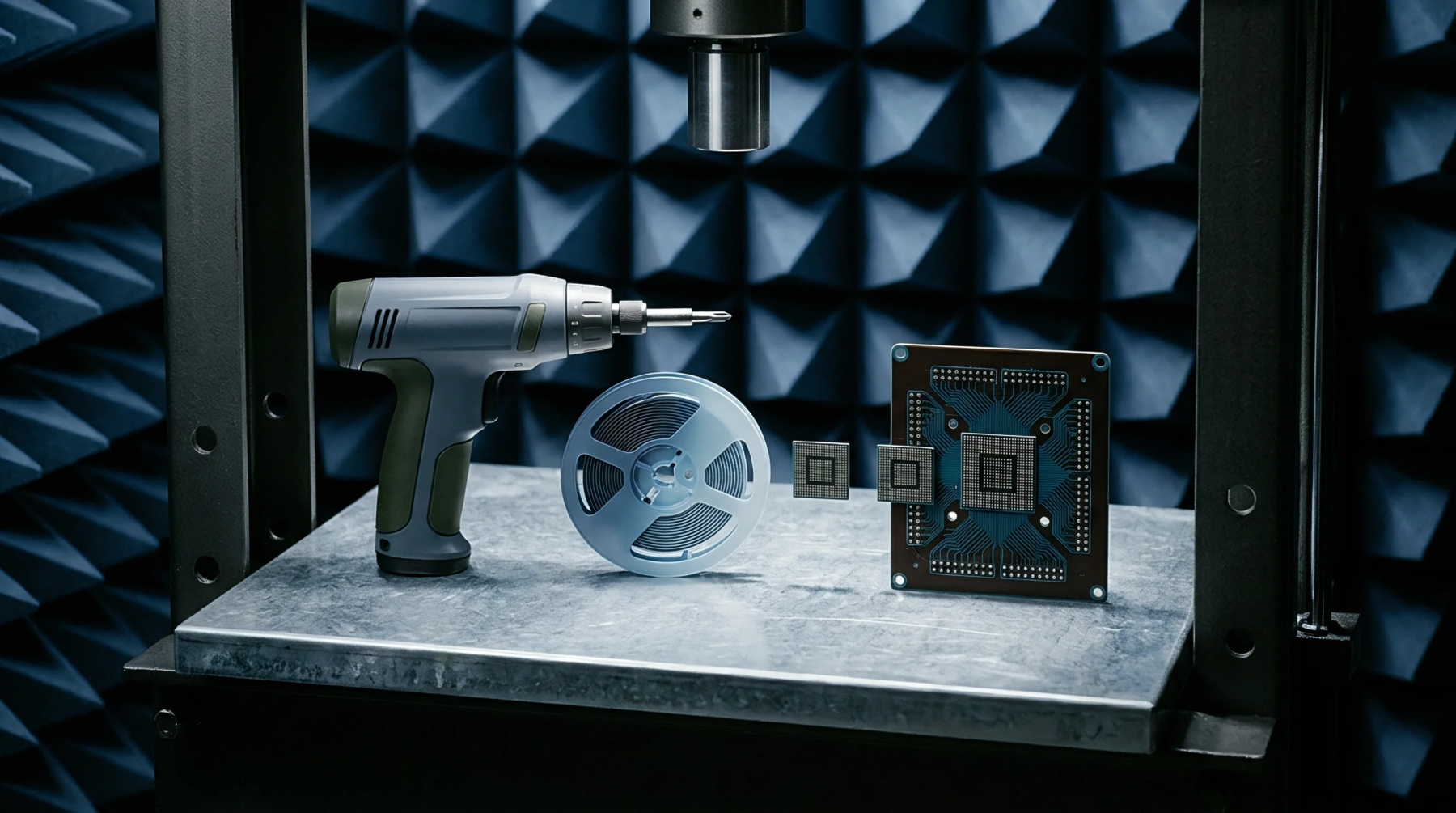
Continuous nanosecond event detection under dry-circuit limits catches contact fretting and joint micro-cracking that slip past standard continuity meters.

Latent substrate microcracks close elastically at room temperature, escaping DC continuity tests until thermal expansion separates the fractured interfaces.
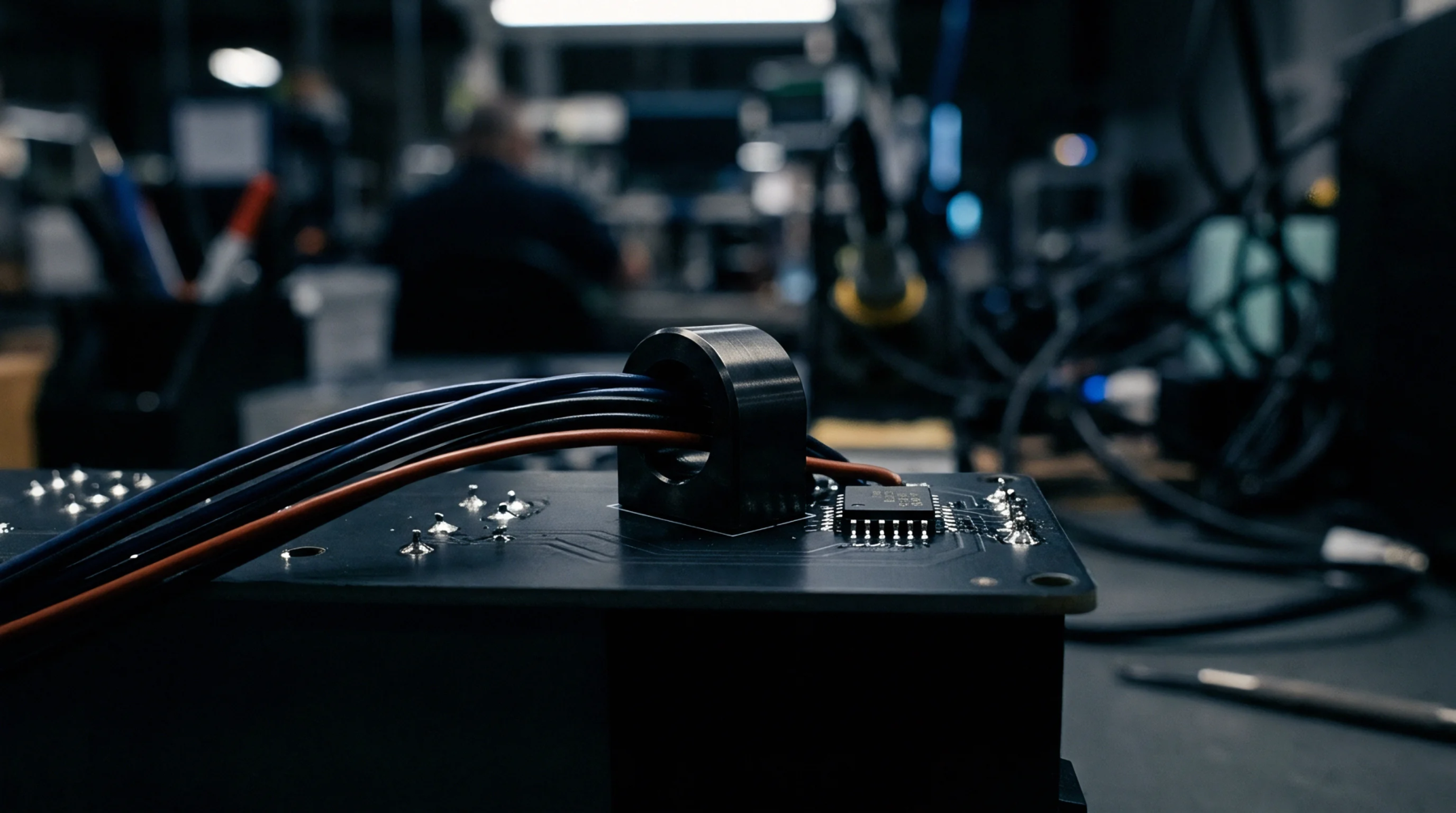
IPC-4552B guardbanding demands shifting ENIG acceptance limits inward by expanded XRF uncertainty, requiring polycapillary optics on fine microvias to prevent false lot rejections.
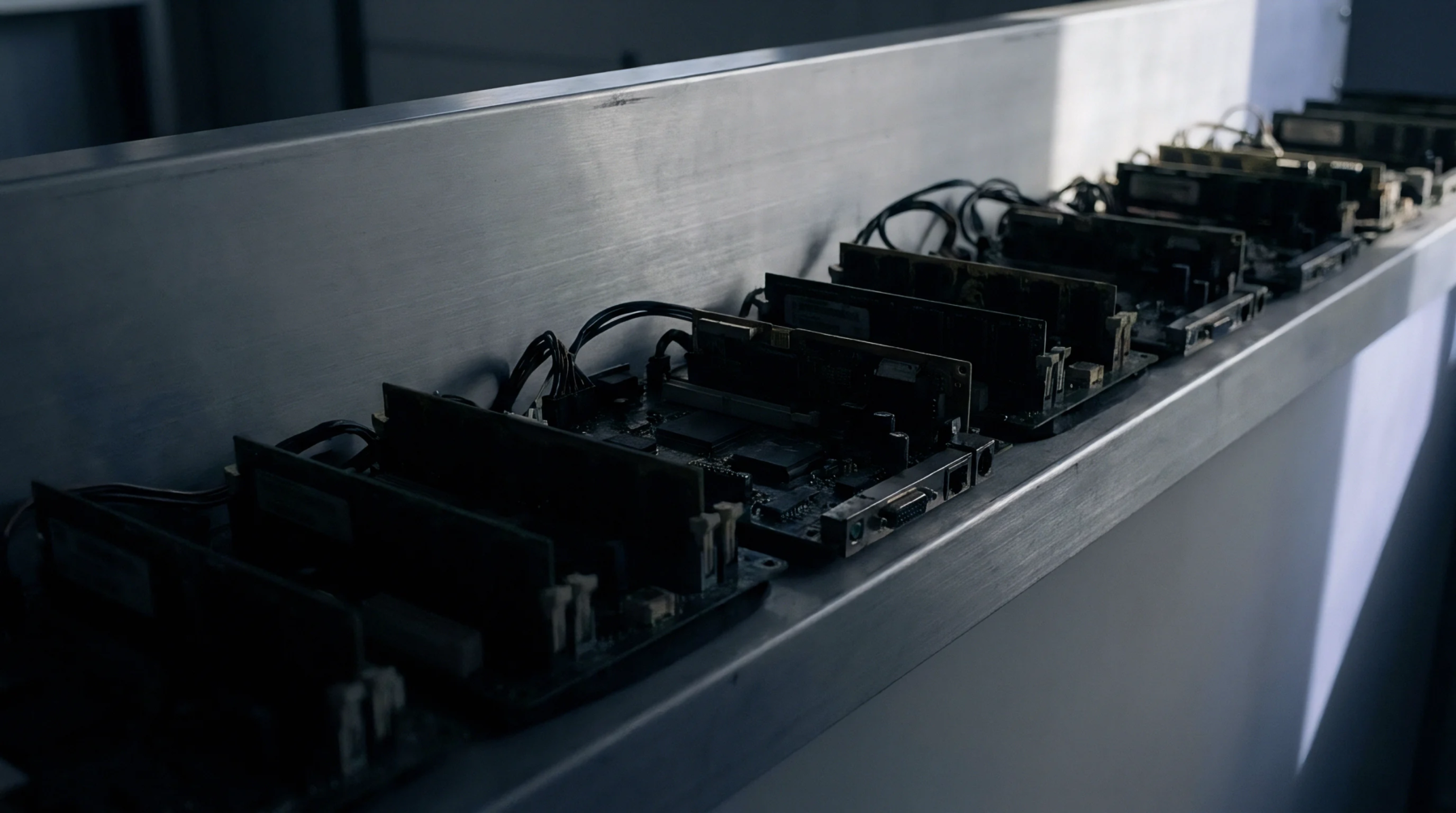
Controlled ENIG gold thickness between 0.04 and 0.07 micrometers prevents brittle intermetallic fractures and black pad failure on fine-pitch BGA assemblies.
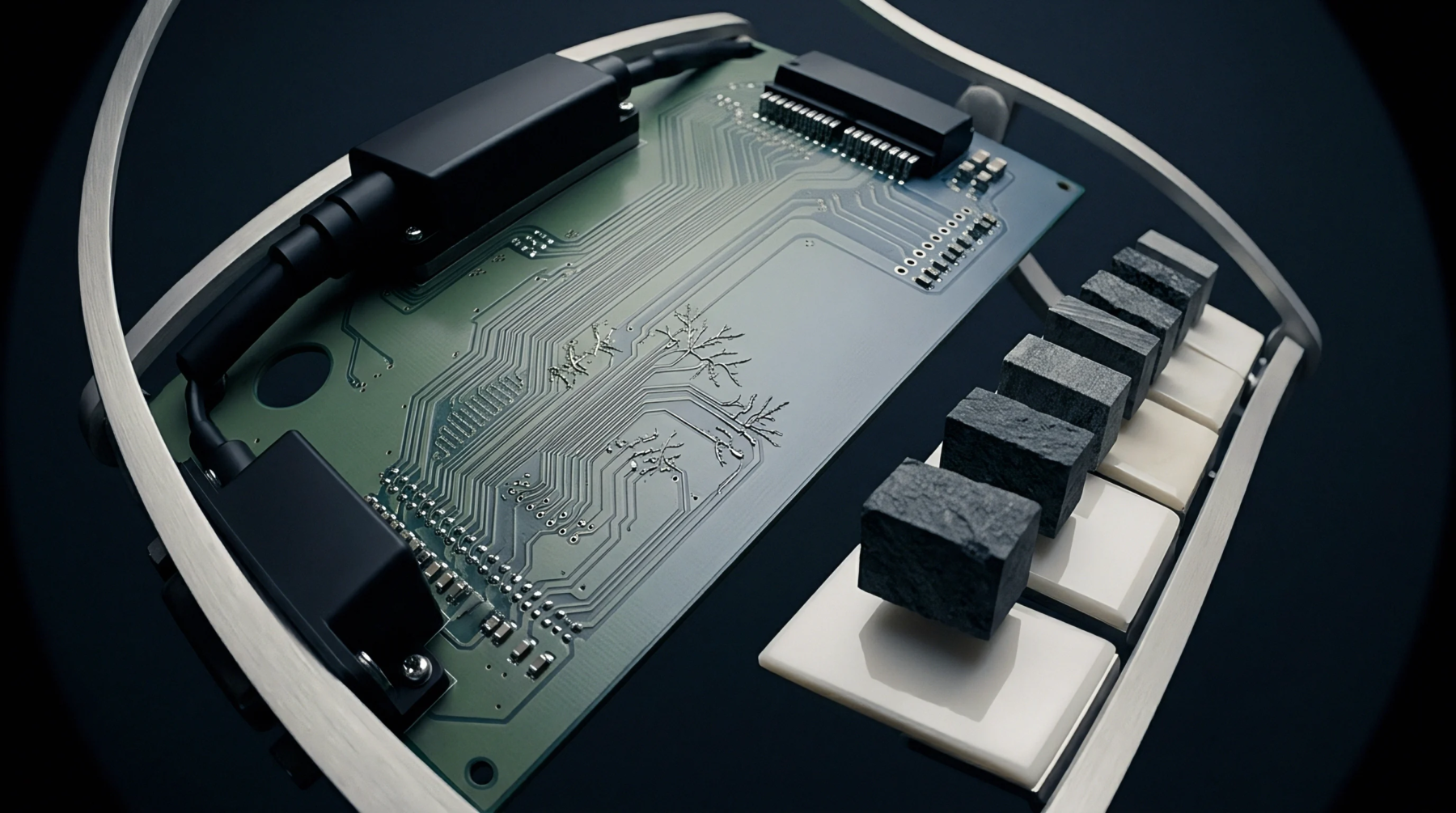
Fine pitch assemblies demand strict surface finish thickness controls to prevent solder bridging, black pad corrosion, and brittle intermetallic joint failures.

Subtier die shrinks raise thermal impedance, causing standard stress screens to under-heat junctions and pass latent defects directly into finished goods.

Parametric sensitivity matrix analysis maps sub-tier component variations to circuit margins, enabling precise guardband testing and enforcing change compliance.

Nodal test point density below sixty percent demands boundary scan vector verification to prevent catastrophic subtier printed assembly defect escapes.

Automated cross-tier notification ingest links component delta qualification directly to technical file updates to prevent regulatory seizure and field failures.

Active technical file maintenance binds physical circuit components to traceable test evidence, preventing customs seizures and sales bans under EU surveillance.
Rigorous verification of PCBA artwork, BOM netlists, and compliance dossiers before release prevents receiving holds, line downtime, and field returns.

Modeling AC-coupled scan channels requires combining IEEE 1149.6 low-frequency pulse decay with microwave pad parasitics to stop latent defect escapes.
Weighted fault coverage balances boundary register access against unmonitored cluster pins to calculate genuine manufacturing defect escape risk.

Hybrid fixture nodal access limits depend on probe pointing accuracy, PCB flexure under IPC-JEDEC-9704 strain limits, and boundary scan partitioning.

Verify AC boundary scan using IEEE 1149.6 pulse and train routines under stress screening to stop high-speed structural solder escapes before product delivery.
Expertise is a utility, not a secret. sentiention™ publishes its working knowledge as open reference: intelligence layer covering the materials it sources, the markets it enters, and the reference that serves both.