
Correlating Board Edge Radiated Fields with Dynamic Rail Voltage Transients
Board-edge emissions scale directly with power rail transient voltage steps, allowing near-field spectral scans to enforce CISPR compliance at board level.
Board-edge emissions scale directly with power rail transient voltage steps, allowing near-field spectral scans to enforce CISPR compliance at board level.

Calibrated two-port shunt-through VNA measurements require cable shield choke isolation and de-embedded fixture planes to resolve milliohm rail impedance accurately.

Laminate dielectric thickness deviations alter power plane impedance and cavity resonance frequencies, driving radiated emissions past statutory EMC thresholds.

Perimeter via stitching suppresses plane edge radiated emissions by shunting RF displacement currents through low-inductance ground arrays before fields escape.

Plane cavity resonances create target impedance spikes that demand dampening vias, controlled ESR capacitors, and calibrated two-port VNA testing.

Partial test sign-offs transfer strict product safety liabilities to importers, converting foreign factory testing gaps into uninsurable domestic regulatory exposure.
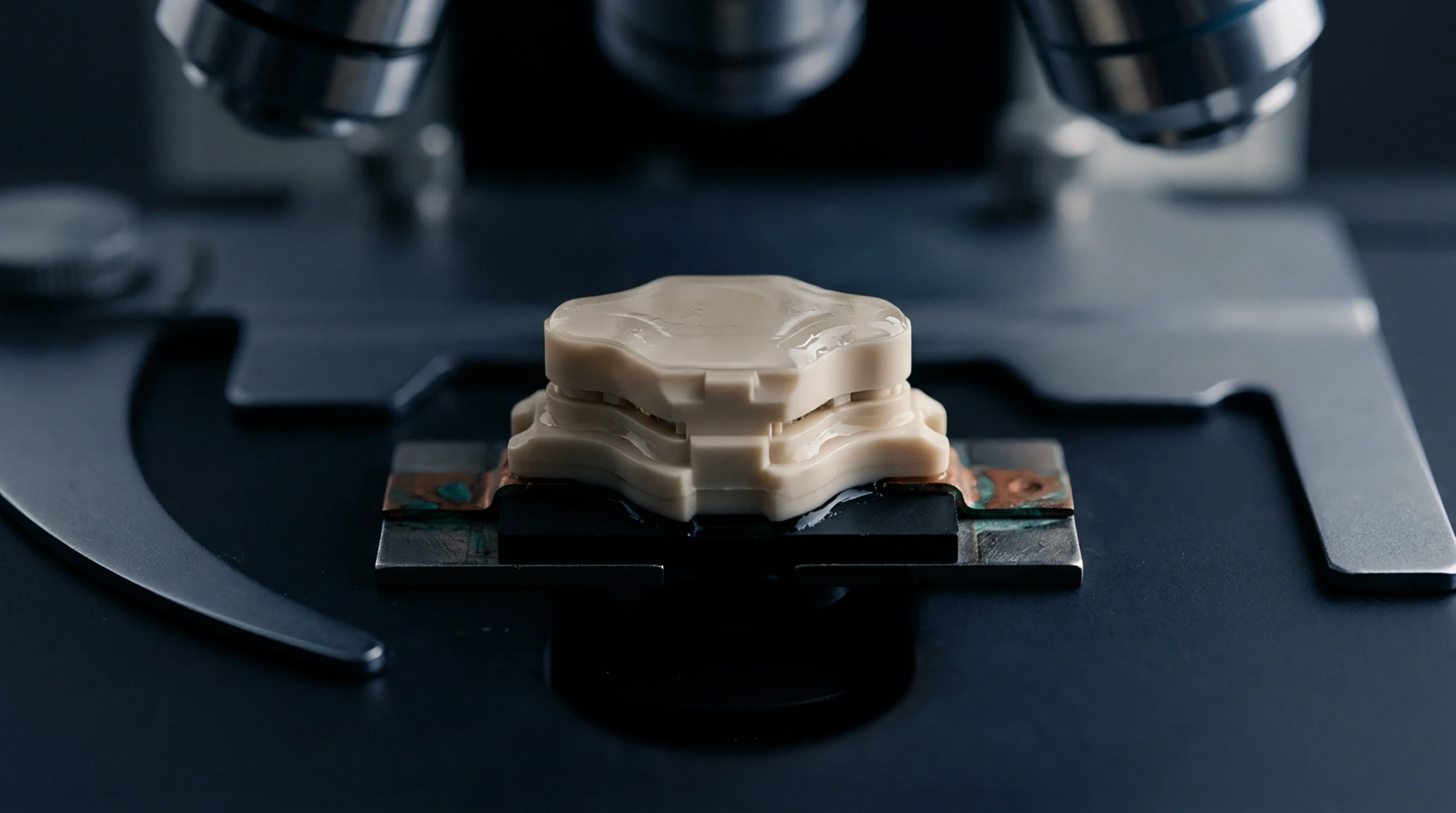
Waiving circuit test fixtures shifts latent defect risk to field warranty reserves unless compensated by boundary scan and verified thermal stress screening.
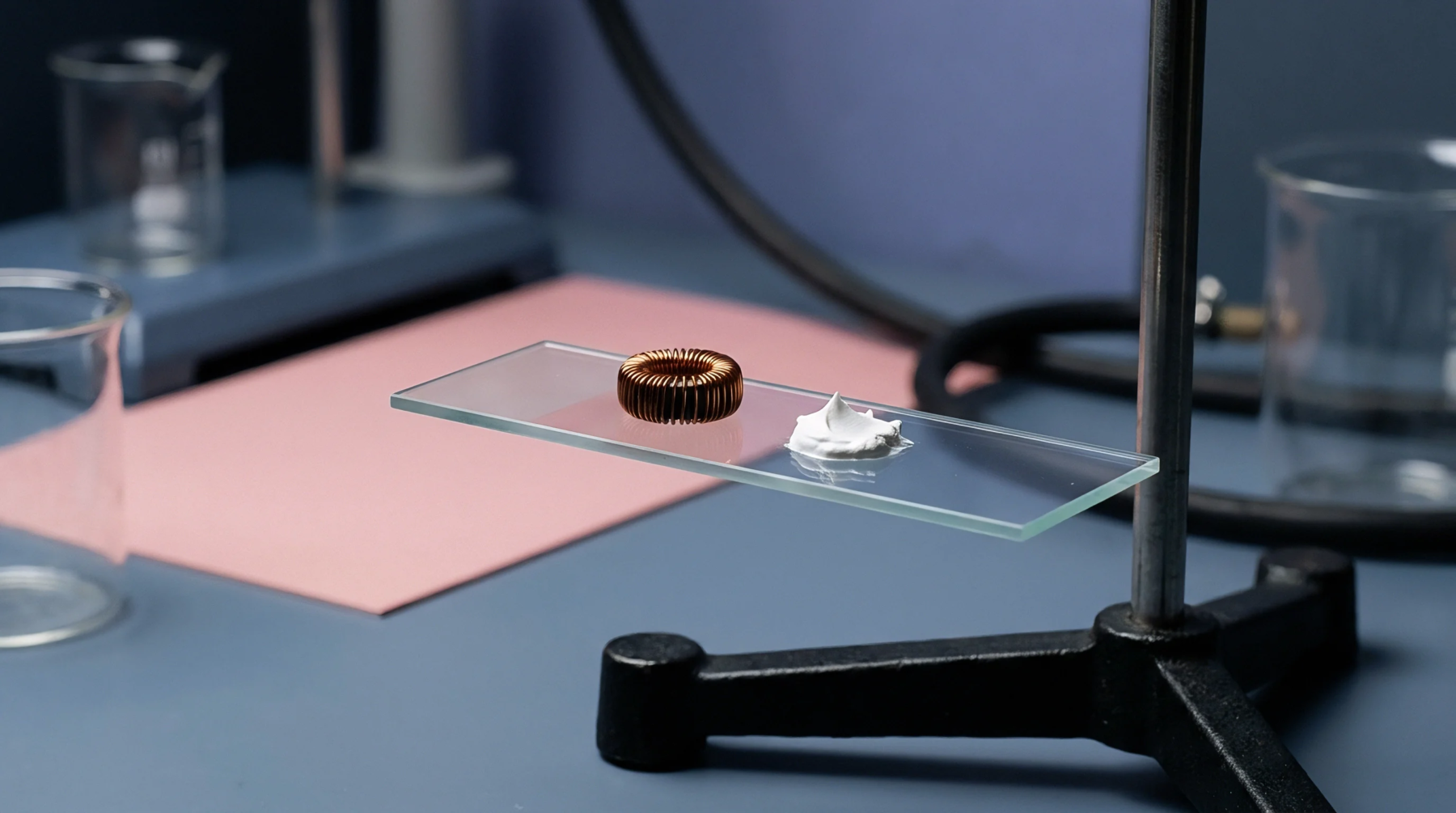
Contractual test waivers shift PCBA manufacturing liability to importers, requiring tight scope boundaries, price credits, and destination intake screening.
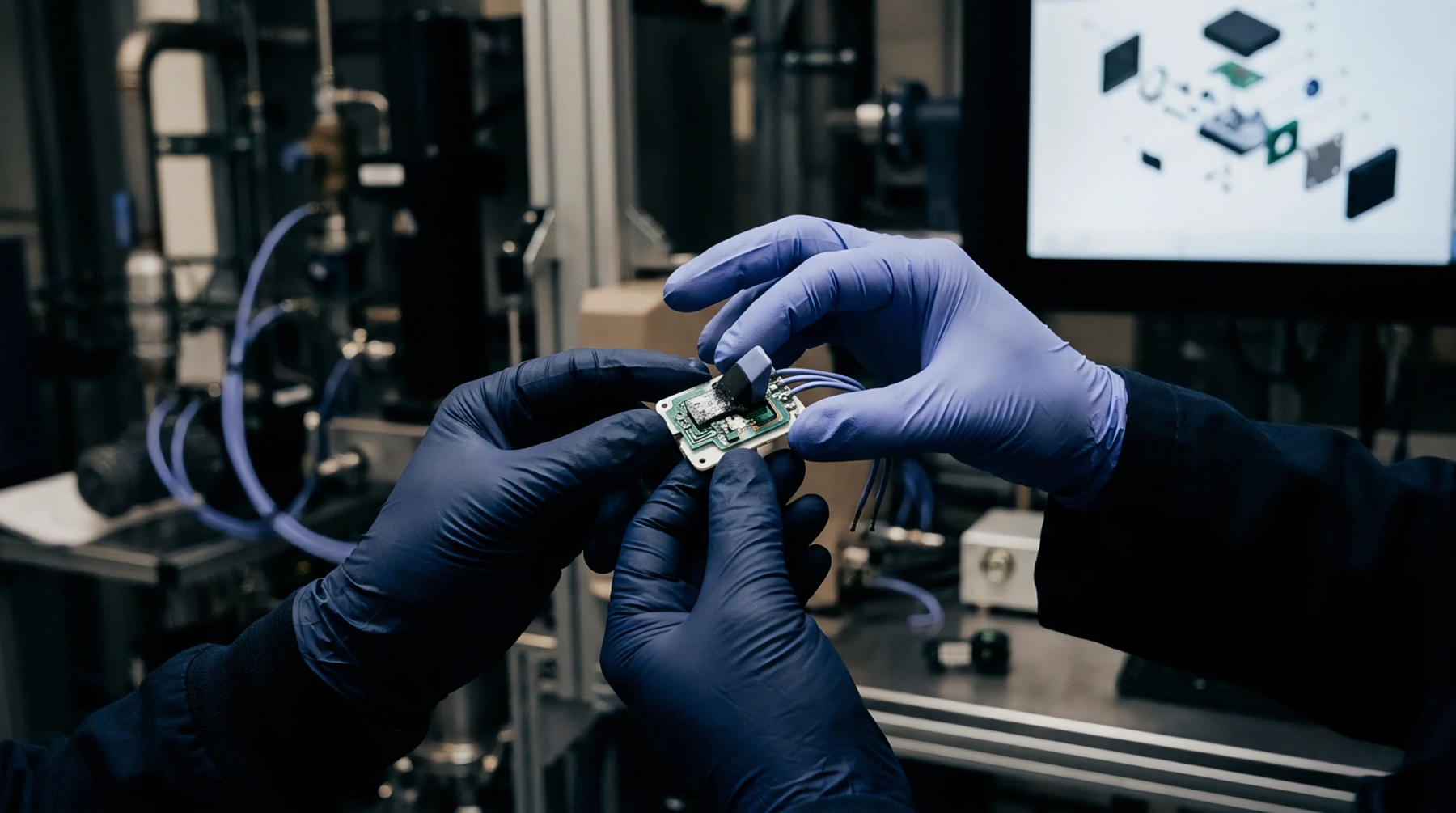
Predict long-term out-of-band field escape by modeling submicron plating fractures as dynamic slot radiators driven by thermal fatigue and harmonic currents.
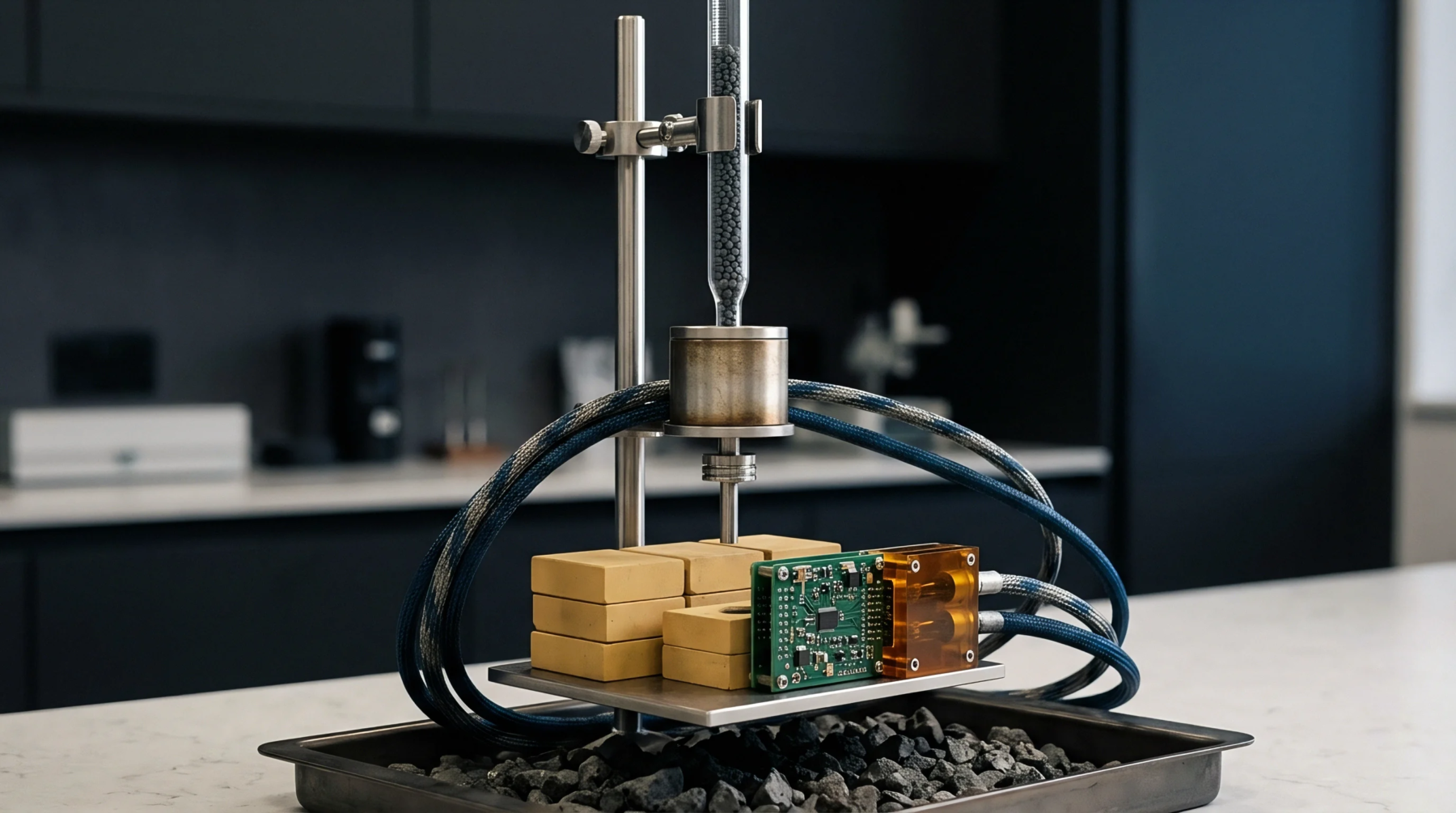
Dedicated in-circuit test fixtures achieve break-even only after board layouts survive frozen production volumes that fully absorb initial tooling charges.

Fixtured in-circuit test amortizes its nonrecurring tooling against flying probe runtime rates when production batches exceed twelve hundred double-sided boards.
In-circuit testing crossover volume thresholds occur where amortized fixture tooling costs intersect flying probe machine hour charges, typically near 5,500 units.

Thermal cycling strain relaxes fastener preload and degrades conductive gaskets, opening perimeter micro-slots that trigger radiated cavity leakage.

Near-field scanning quantifies cavity resonance degradation by mapping Q-factor shifts and seam field leakage before environmental degradation drives emissions failures.

Dynamic flexure drives interfacial tooth fracture and polymer relaxation, raising millimeter-wave attenuation long before DC resistance detects trace fatigue.

Uncorrected adhesive shear lag on high-modulus composite strain sensors introduces severe strain under-reading errors that require analytical parameter correction.

Polycyanurate substrate flexural modulus drives assembly pad cratering, demanding IPC-9704A strain rosette verification to suppress destructive brittle cleavage.

Dynamic warranty reserves require scaling batch failure models by field thermal profiles rather than booking static linear accruals.

Converting Weibull distributions into warranty reserves requires multiplying quarterly wear-out failure fractions by landed costs and discounting net present value.

Field return rates equal total screening escape rates scaled by operational duty cycle and environmental defect manifestation factors over time.

Dynamic strain gauge qualification and active environmental stress testing isolate intermittent micro-fractures that slip past static in-circuit fixtures.

Fixture mechanics prevent board damage by holding strain below five hundred microstrain and enforcing forty-mil minimum test point pad spacing.

In-circuit test layout requires minimum 28-mil test pads spaced on 50-mil centers, clear of component envelopes and balanced to prevent board flexure cracks.

Statistically defensible near-field delta thresholds use scan uncertainty budgets and equivalence bounds to validate component swaps without chamber retests.

Reference plane splits add localized loop inductance that depresses resonant emission frequencies, turning functional clock harmonics into compliance failures.
Quantify return loop inductances, verify continuous reference planes, and re-scan pre-compliance emissions before releasing revised printed circuit layouts.

Predict sub-nanosecond common-mode coupling and parasitic shifts by modeling edge acceleration and extracting mixed-mode S-parameters before batch release.
Silicon swaps accelerate buffer edge transitions, lifting high-frequency Fourier harmonic envelopes and causing radiated emission failures under CISPR 32.

Active silicon substitutions invalidate technical dossier conformity when faster edge transitions, altered thermals, or unvetted materials void lab test records.

Planar microvoids exceeding eight percent along solder perimeter boundaries trigger severe impedance mismatches, inducing high-frequency PAM4 eye diagram closure.
Expertise is a utility, not a secret. sentiention™ publishes its working knowledge as open reference: intelligence layer covering the materials it sources, the markets it enters, and the reference that serves both.