
Through Hole Parts Surviving on a Selective Solder Line
Selective soldering relies on precise preheat baselines, controlled exit trajectories, and high nitrogen purity to achieve Class 3 barrel fill without thermal damage.
Selective soldering relies on precise preheat baselines, controlled exit trajectories, and high nitrogen purity to achieve Class 3 barrel fill without thermal damage.
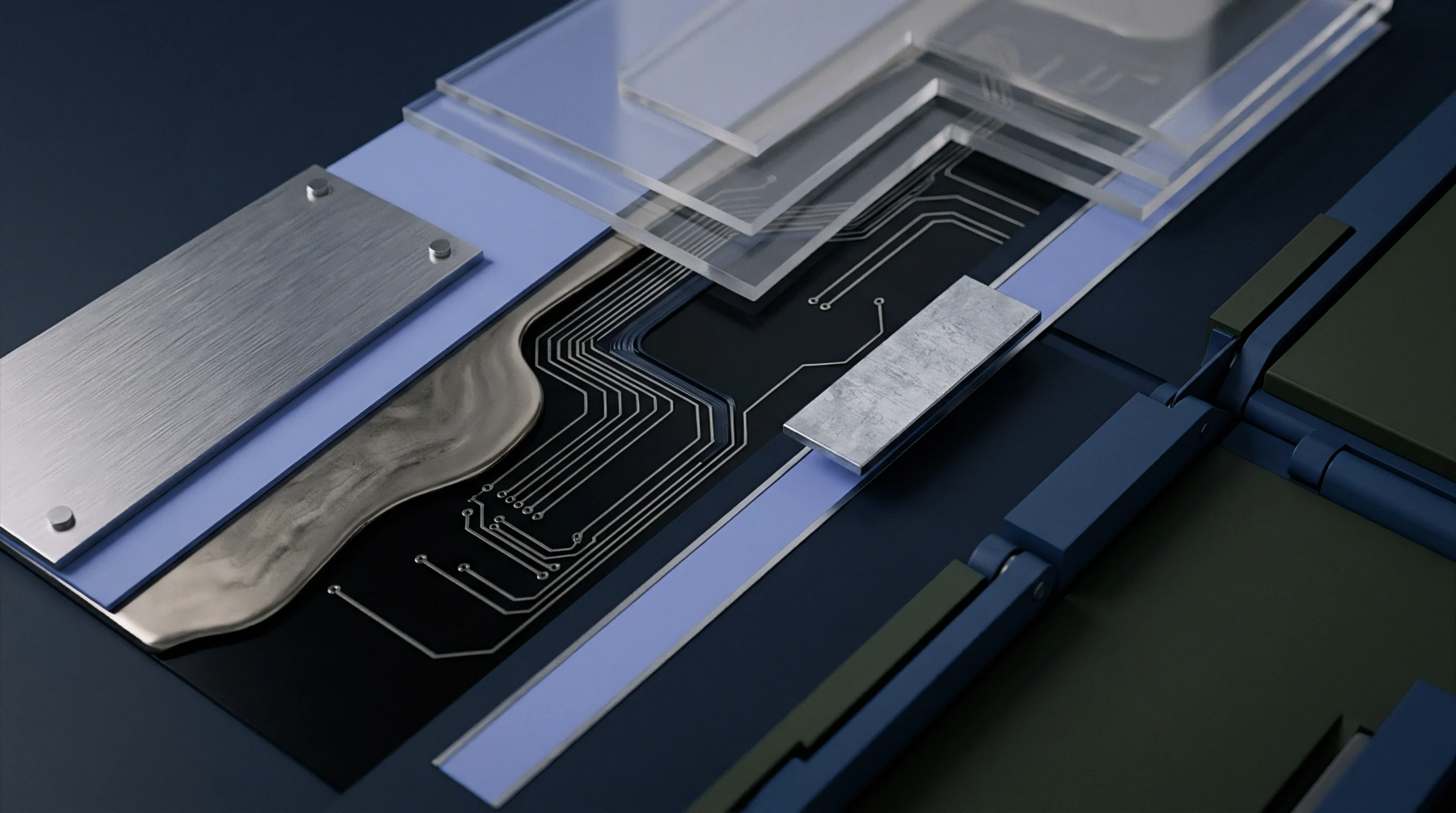
Peripheral coupon TDR reports require empirical offset adjustments derived from physical microsections to accurately reflect functional internal board impedance.

Sub-30 µm dielectric void suppression requires matching non-Newtonian dynamic viscosity to vacuum press ramps to maintain shear flow prior to cross-linking gelation.
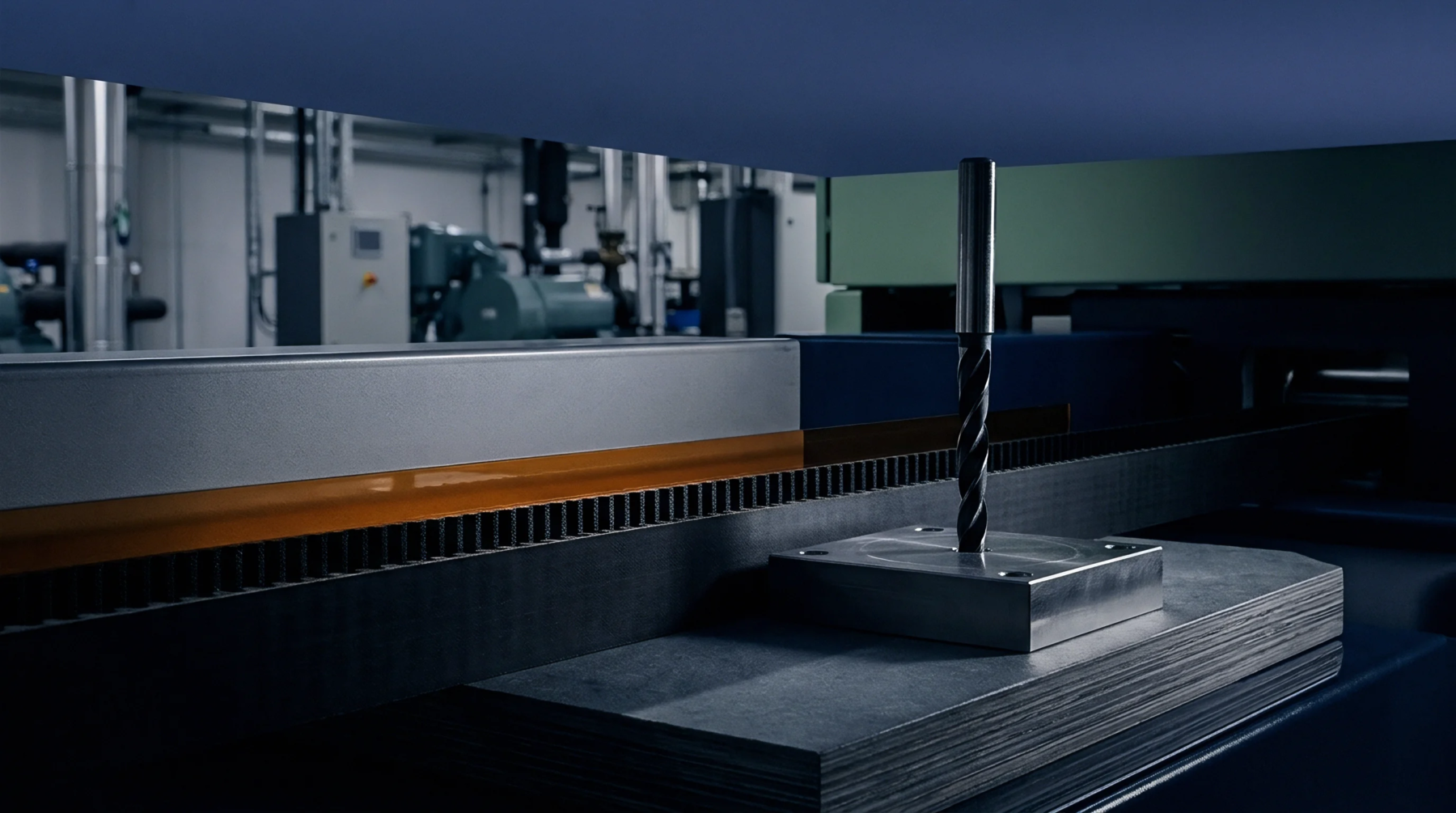
Sub-sixty micron trace fabrication mandates semi-additive processing over subtractive etching to eliminate undercut and hold tight differential impedance.
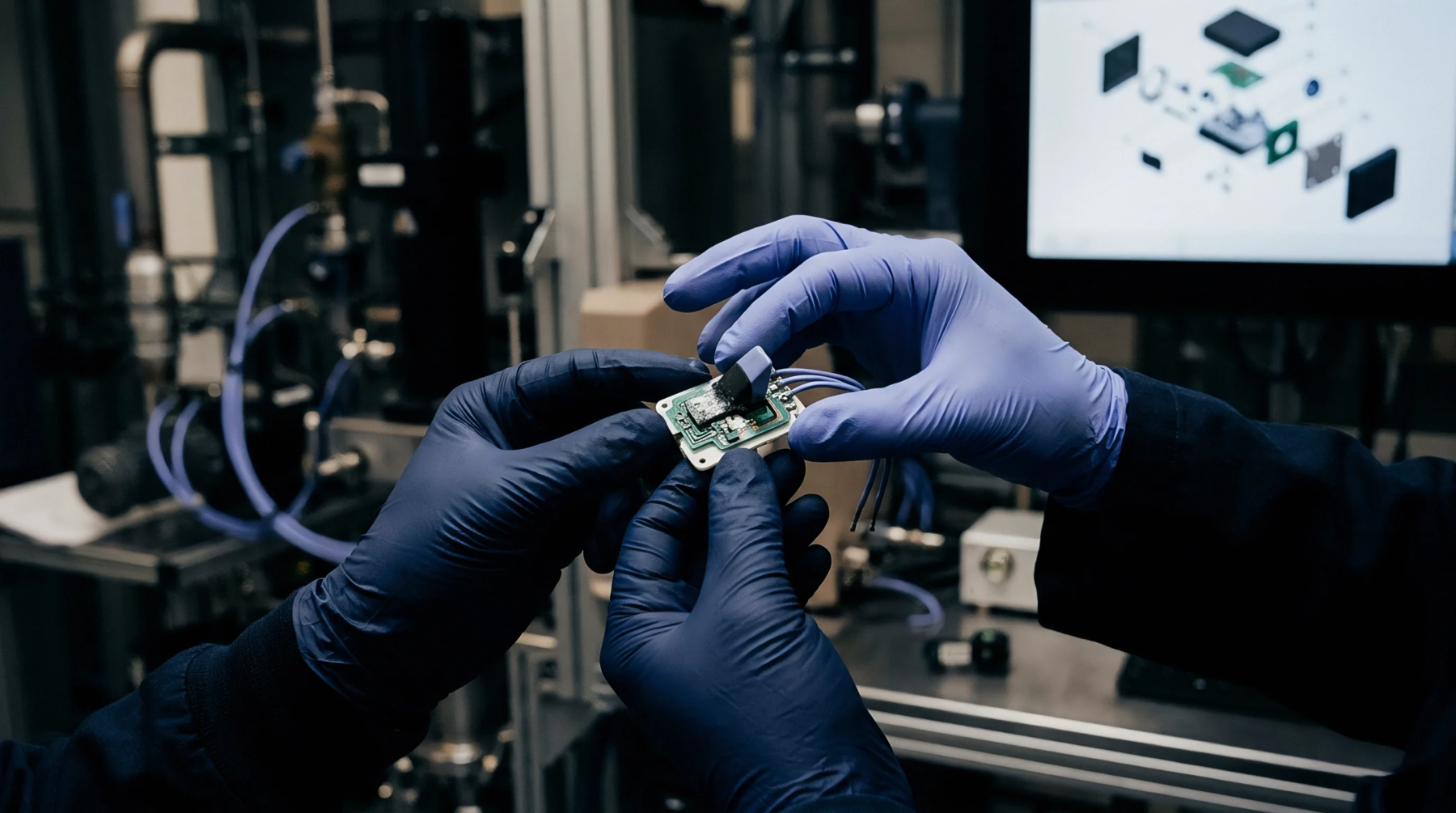
Mid-loss laminates paired with low-roughness copper foil match high-cost ultra-low-loss performance at a fraction of the raw panel price.

Standard panel coupon architectures must balance border placement against current density gradients to ensure microsections accurately reflect internal board quality.
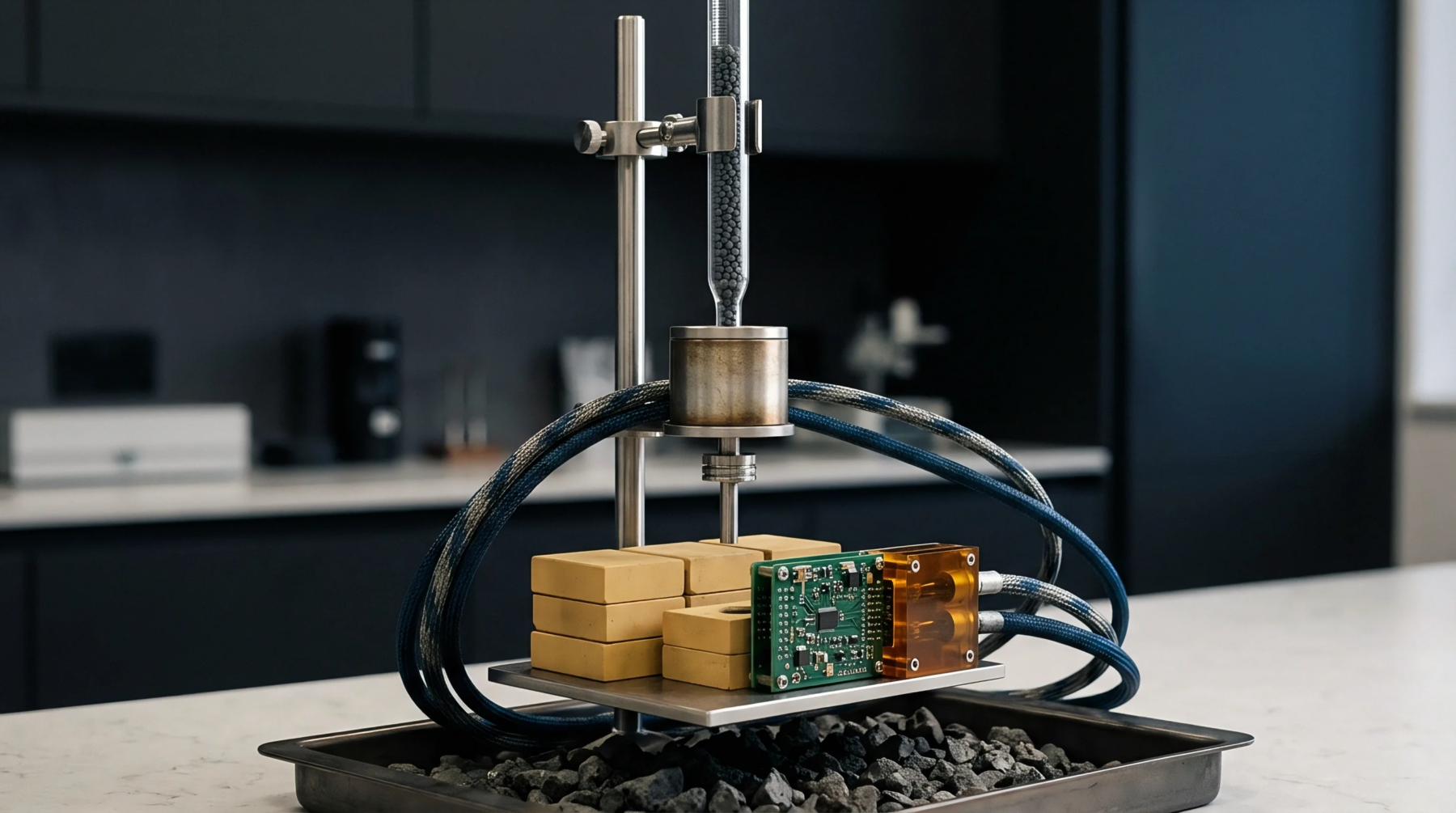
Unambiguous contract allocation caps assembly liability at process fees while tying thermal damage claims to independent coupon microsectioning evidence.

First pass yield gaps in high-density assemblies stem from optical test blind spots, microvia structural fatigue, and restricted physical probe access.

Correlating microsection geometry with TDR readings requires adjusting static field solver inputs for trapezoidal trace slope, copper roughness, and frequency-dependent permittivity.
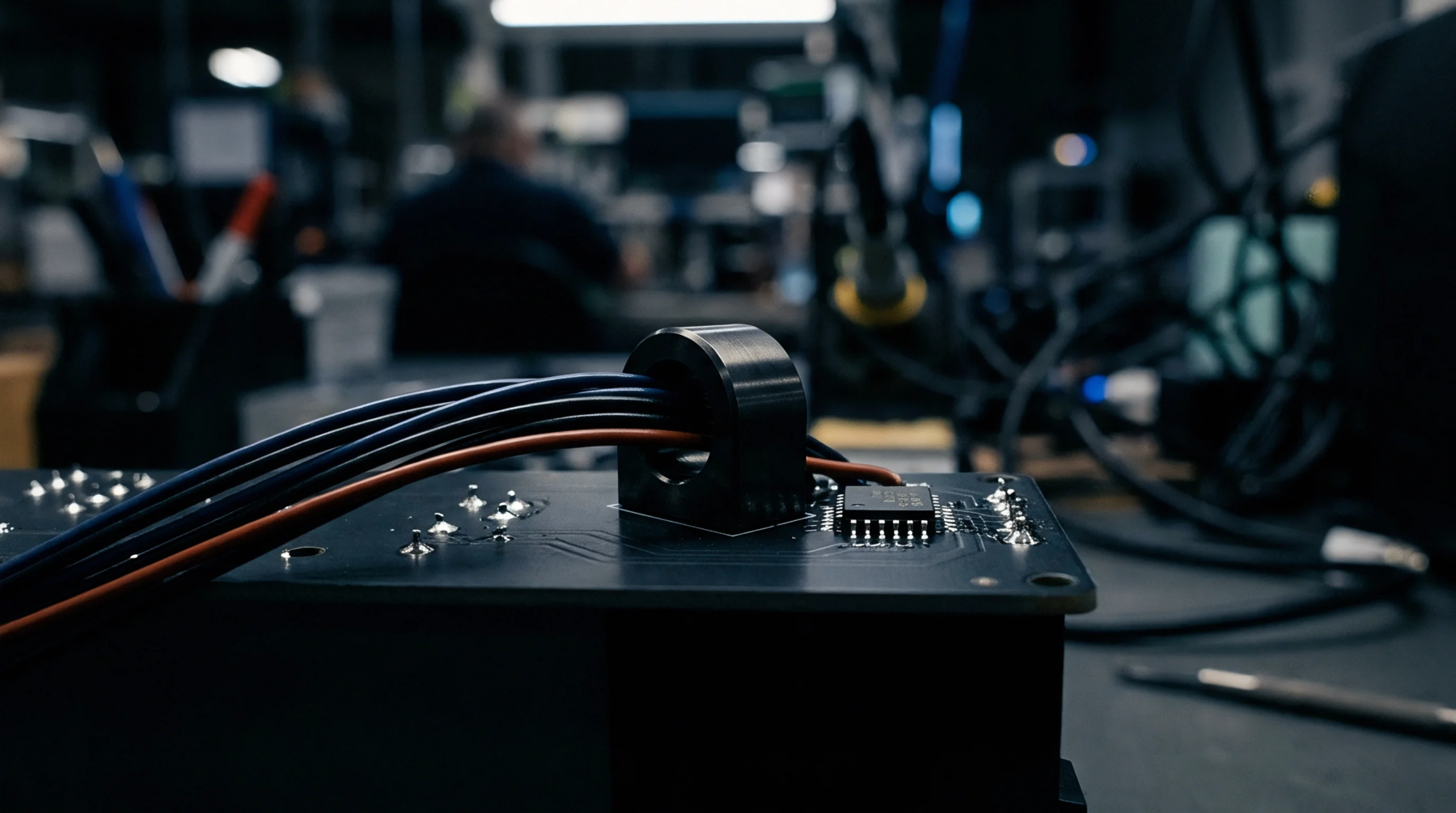
Optimizing barrel fill on high thermal mass boards requires thermal relief geometries, elevated topside preheat, and controlled alloy contact duration.

Perimeter test coupons provide non-destructive evidence of bare-board plating integrity and controlled impedance, requiring spatial correlation offsets to match internal circuit realities.

Liability allocation for counterfeit escapes in hybrid runs depends on sourcing channels, where turnkey purchases place full warranty on the assembler while consigned inventory requires explicit contract indemnification clauses.

Maintaining residual oxygen under 10 ppm in selective soldering shrouds limits heavy copper sleeve dissolution to under five micrometers per pass.

Low z-CTE silica-filled laminates (IPC-4101/129) and staggered microvia topologies prevent target pad separation during 260°C lead-free reflow excursions.

Financial exposure bounds in high-density SMT rely on binding paste volume thresholds, AOI escape modeling, and explicit contract scrap liability caps.
Controlled impedance tolerance analysis maps resin content, foil roughness, and etch factors through RSS models to set yield-optimized fab drawing notes.
Optimize SAC305 reflow profiles between 235-248°C with 45-75s TAL and 3-5°C/s cooling to limit interfacial intermetallic growth and prevent brittle joint failure.

Forced convective reflow on heavy mass surface mount panels demands extended soak zones, elevated fan velocities, and adjusted paste deposition to ensure total reflow without scorching thin components.

Reducing thermal gradients across multi-layer assemblies requires balancing inner copper mass, profiling zone dwell times, and applying rigid carrier support.
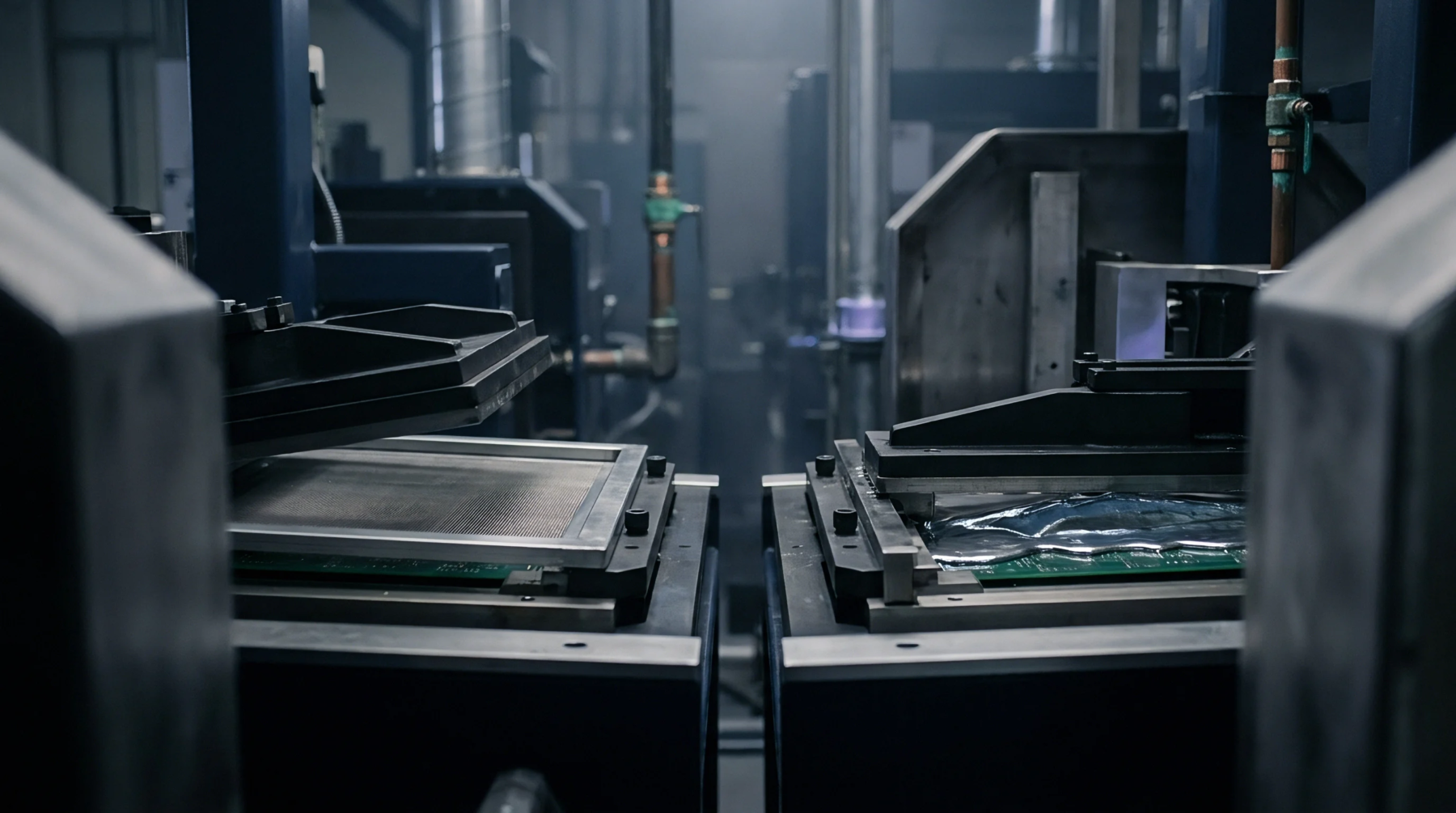
Standard test coupon layouts place structural patterns in panel frame gutters to verify microsection plating and trace impedance without sacrificing yield.
Arbitrated thermal wear-out liabilities require metallurgical failure proof and Weibull shape parameters exceeding two to establish pre-existing factory escapes.

Selective preheat windows for heavy multi-layer boards require top-side convection to achieve 110-130°C without exceeding flux thermal activation limits.
Sub-tier material drift erodes high-reliability board margins; mathematical risk modeling and rigorous chemical dossier validation eliminate latent field escapes.
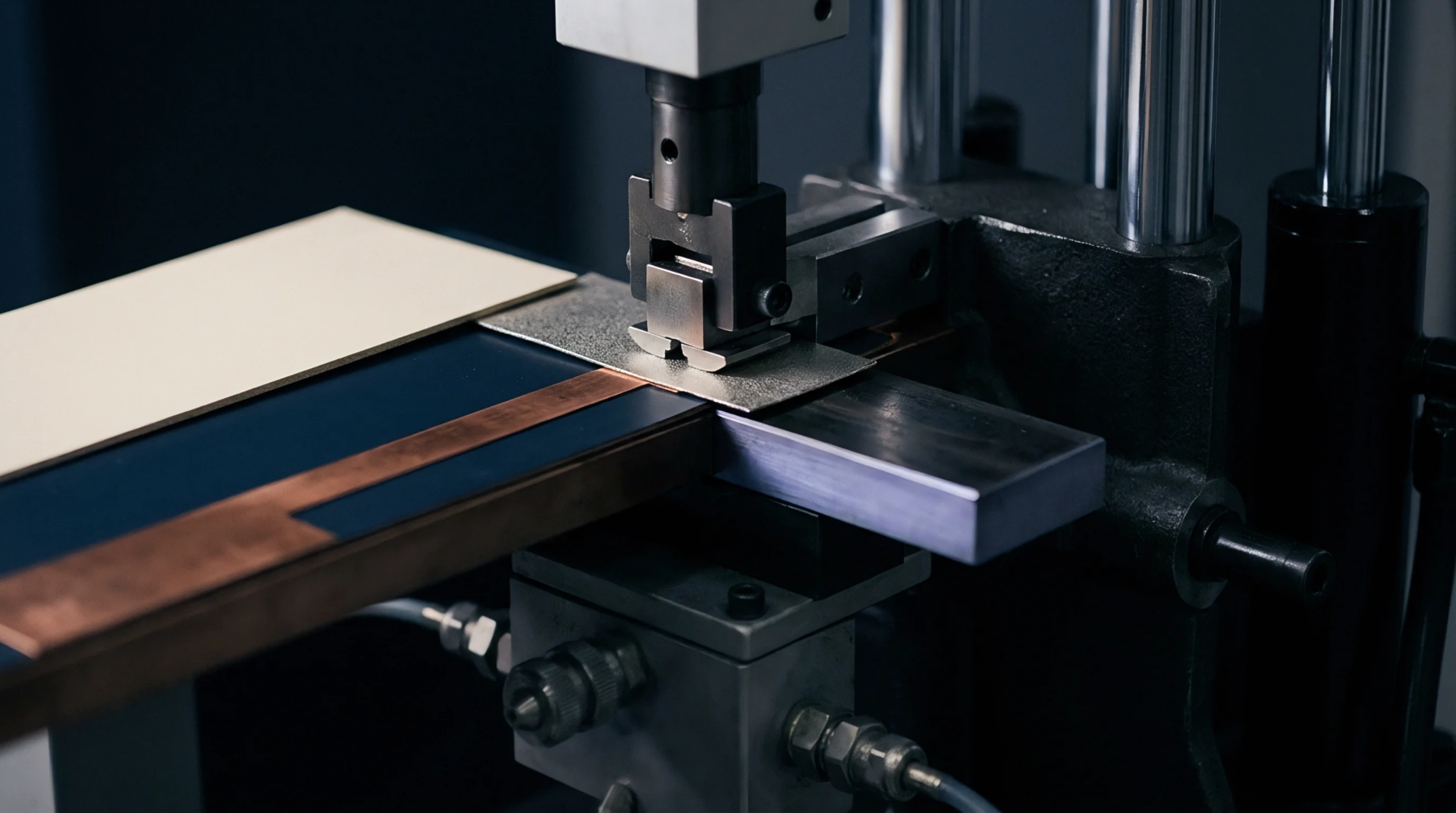
Argon cluster calibration across nickel intermetallics uses phase-specific sputter yields to prevent depth profile distortion at barrier interfaces.
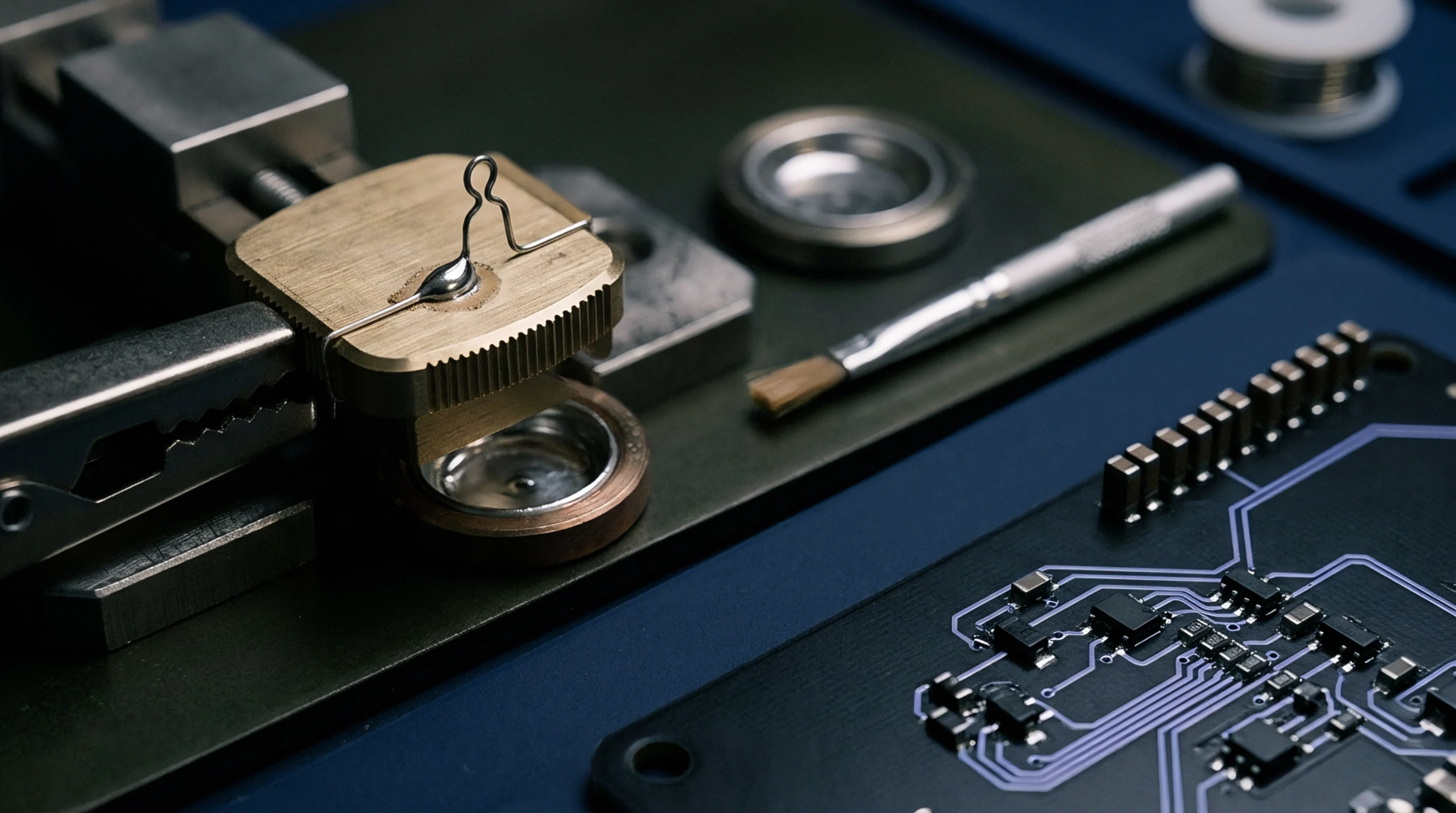
Sub-atmospheric pressure profiling reduces bottom-terminated component voiding below 5% by expanding and evacuating trapped flux gases during liquidus.
Sequential lamination elevates core dielectric constant through resin cure advancement, requiring pass-specific permittivity modeling to protect target impedance.
AS6081 analytical screening prevents gray-market component defects from causing SMT downtime and joint failures through targeted non-destructive and laboratory tests.
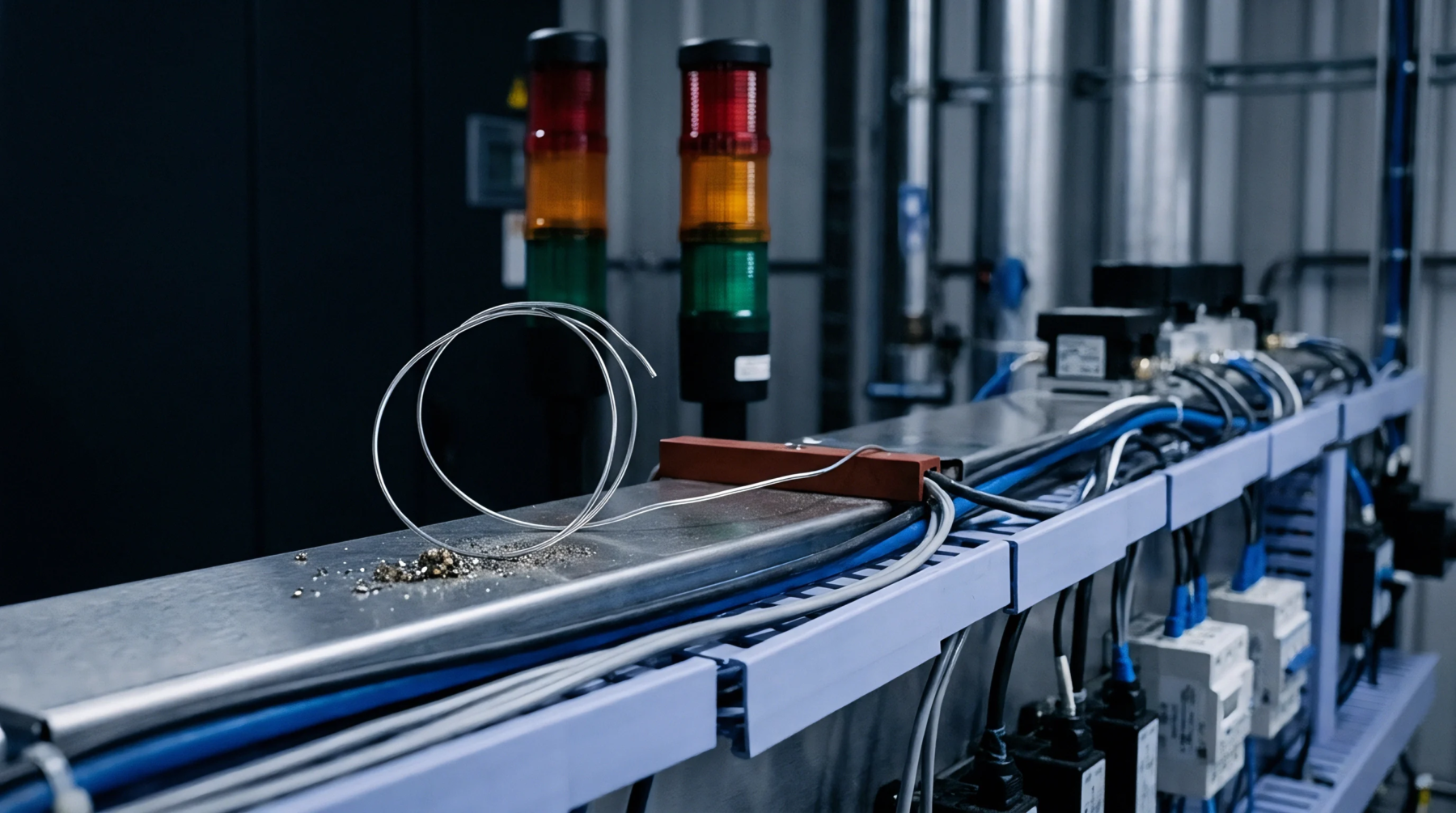
Dynamic inner layer scaling in heterogeneous stackups requires empirical strain modeling per material axis to maintain registration.
Dynamic four-wire testing isolates ambient and transient microvia resistance shifts during thermal stress to catch latent target pad defects before shipment.

High strain shear thinning reduces ultra fine paste viscosity during squeegee strokes, requiring rapid thixotropic yield recovery to prevent post print slump.
Expertise is a utility, not a secret. sentiention™ publishes its working knowledge as open reference: intelligence layer covering the materials it sources, the markets it enters, and the reference that serves both.