Fundamental Layer Stackup Selection and Dielectric Properties for Multilayer Printed Circuits
Stackup selection balances resin flow, z-axis dielectric constants, and panel utilization to fix bare-board cost, impedance tolerances, and factory pool.
Stackup selection balances resin flow, z-axis dielectric constants, and panel utilization to fix bare-board cost, impedance tolerances, and factory pool.
Specifying staggered microvias and single-press HDI stackups preserves multi-vendor competition while cutting panel scrap costs.
Sub-hundred-micron fine-line multi-core panel surcharges stem from seed-etch yield hits, core-shift registration buffers, and panel margin expansion.
Sub-stack resin squeeze-out during sequential lamination elevates z-axis Dk and reduces dielectric thickness, shifting differential impedance off target.
Sequential lamination registration budgets require root-sum-square alignment modeling of sub-core thermal shrinkage and drill offsets to size microvia lands.
Unambiguous contract allocation caps assembly liability at process fees while tying thermal damage claims to independent coupon microsectioning evidence.
Resin squeeze-out shear distorts dielectric tensor components and drives microvia misregistration in multi-pass buildup substrates.
High-frequency laminate rheology dictates prepreg flow kinetics, fixing pressed dielectric thickness, local impedance stability, and panel registration yield.
Managing anisotropic permittivity in sequential substrates requires spread glass prepregs, optimized press kinetics, and directional fixture qualification.
Subassembly press hydraulic parallelism and thermal ramp control determine resin distribution, eliminating dielectric height variation and differential signal phase skew.
Sequential lamination elevates Z-axis permittivity via resin compaction and thermal cross-linking, requiring pre-compensated CAD trace widths per layer pass count.
Sequential lamination registration drift requires statistical bivariate vector modeling to size microvia capture pads for multi-pass ultra-high-density core panels.
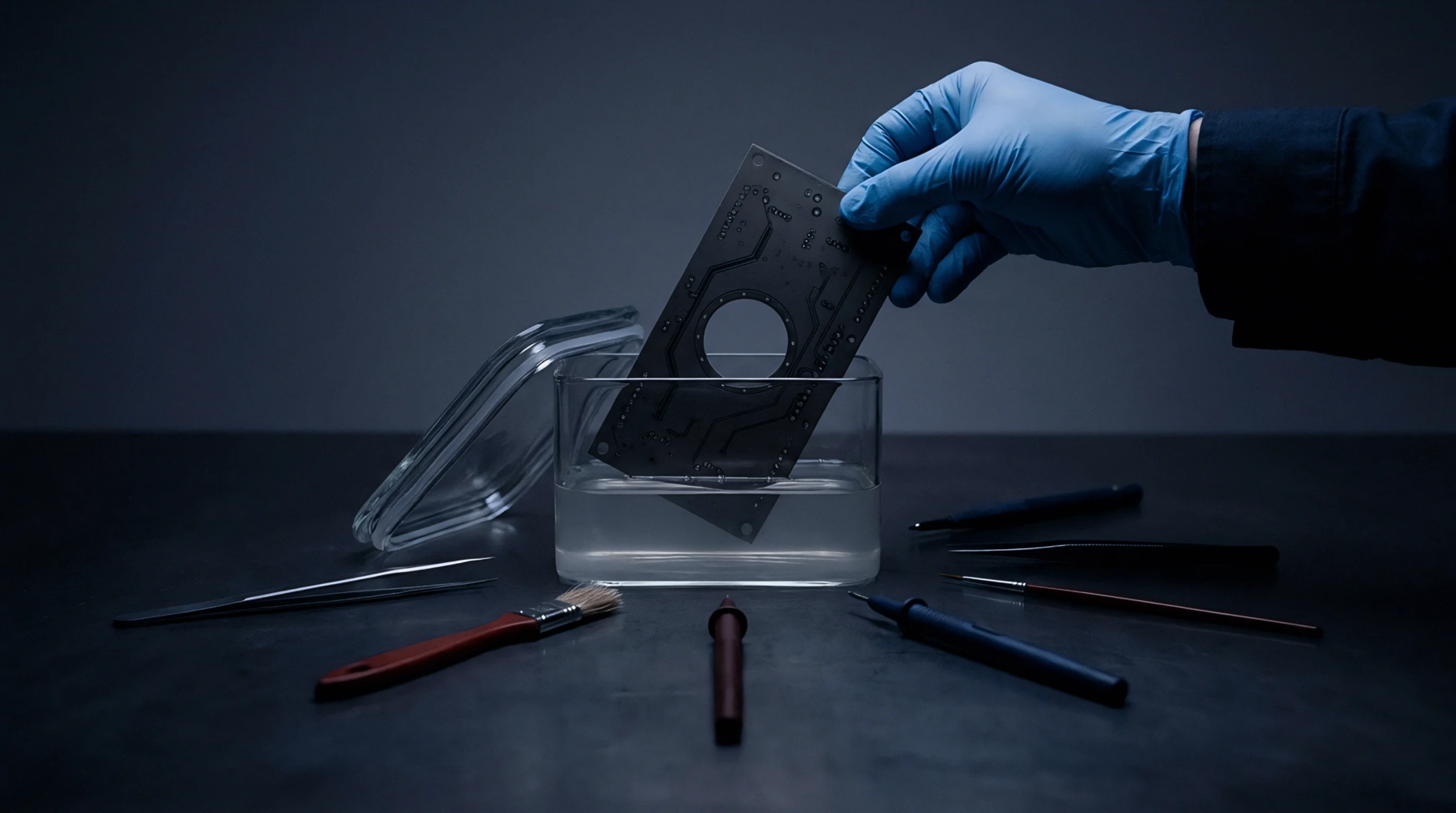
Sub-stack thickness drift stems from secondary resin compression during sequential lamination, requiring flow-controlled prepregs and thieving arrays to hold Z-axis impedance.
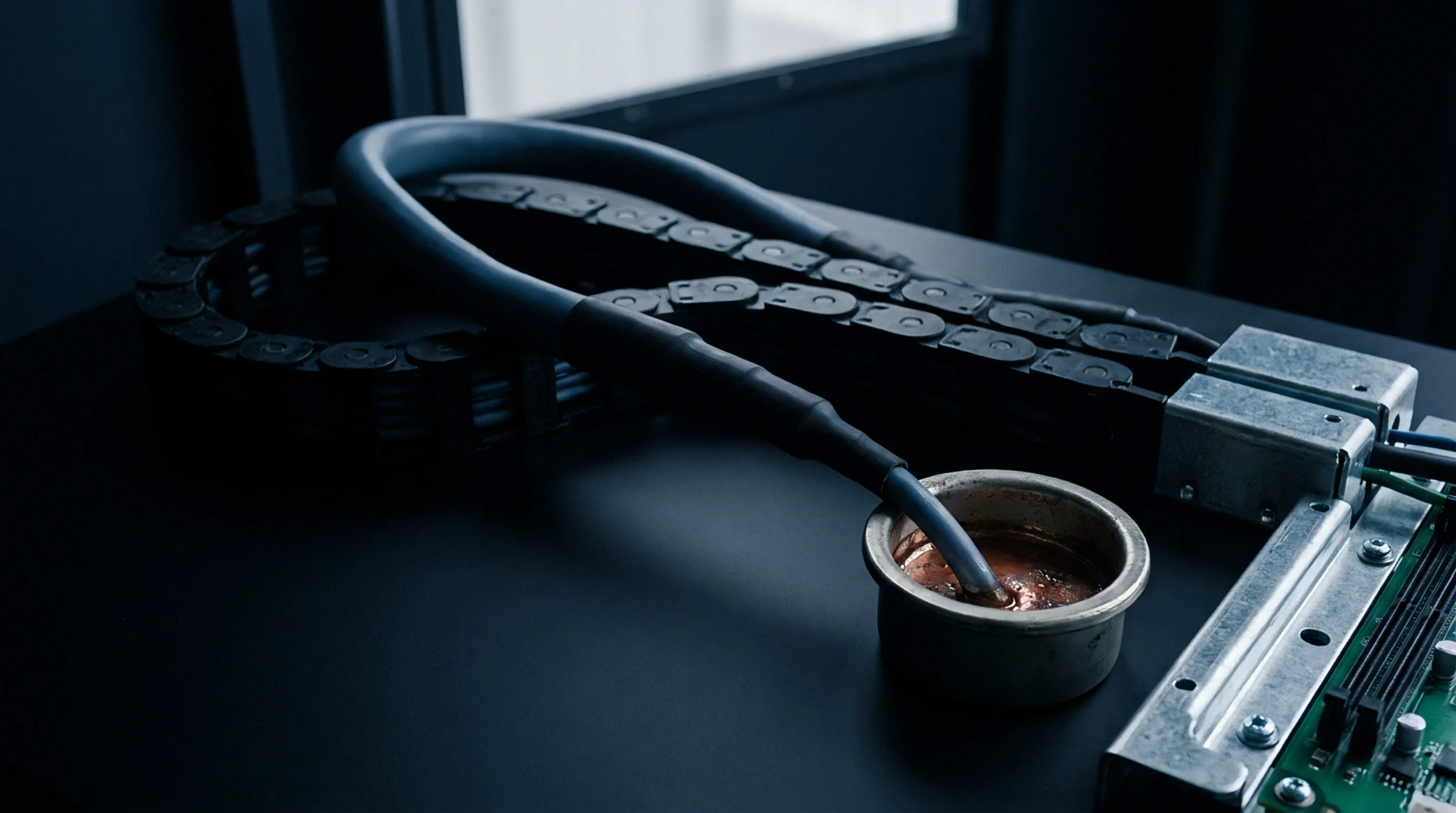
Optimize hybrid PCB fabrication by matching laminate cure kinetics, deploying plasma desmear for mixed resins, and applying layer-specific scaling factors.
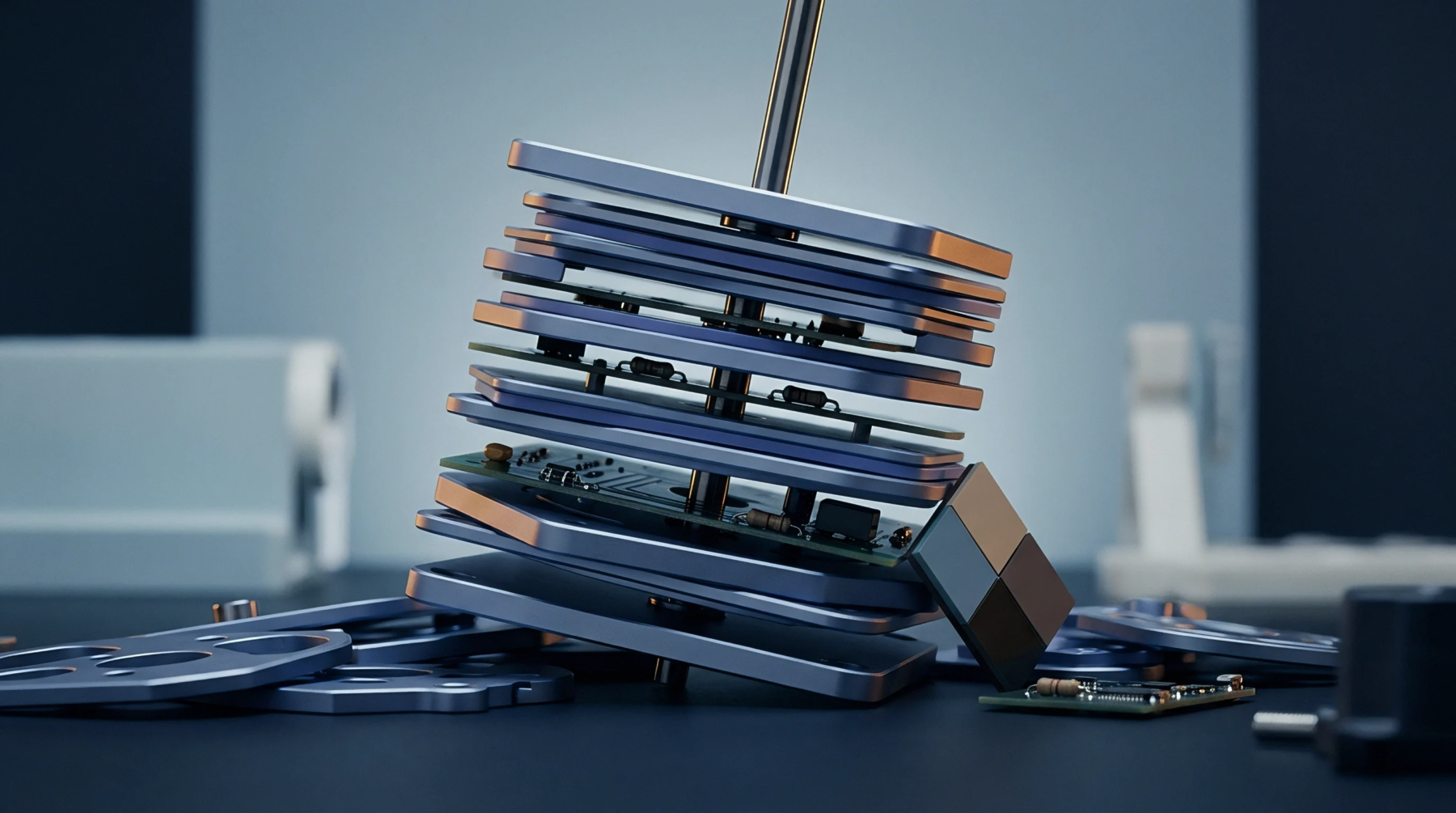
Predict anisotropic deformation in sequential lamination by coupling layer-specific thermal expansion tensors with non-linear viscoelastic resin cure shrinkage.
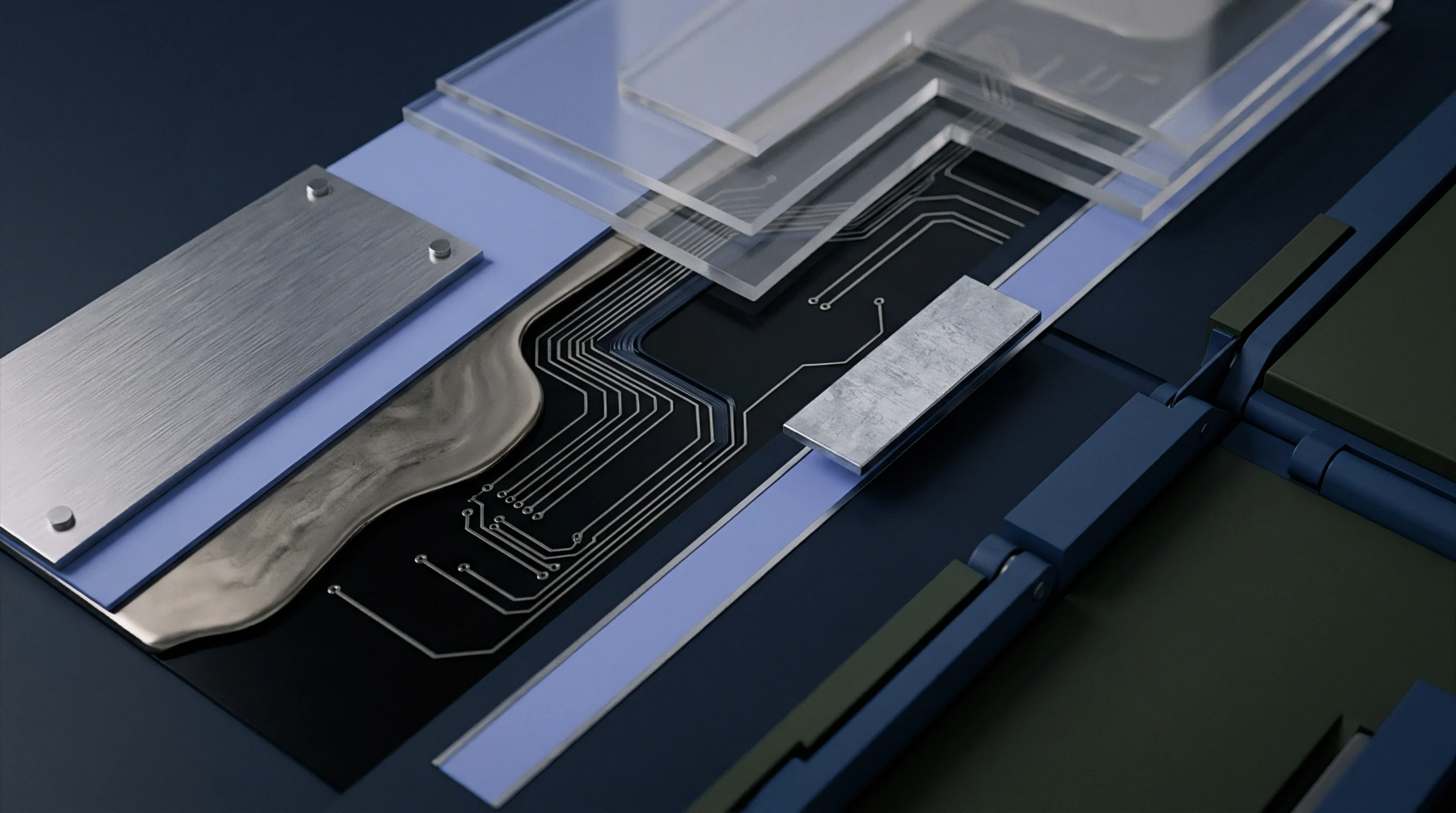
Controlling lamination thermal ramps between 1.5 and 2.0 °C per minute minimizes resin stress and phase skew in sequential multilayer stackups.
Microvia aspect ratios capped at 0.75:1 with optimized acid copper throwing power deliver maximum plating yield and thermomechanical reliability in HDI stackups.
Sequential lamination induces non-linear dielectric relaxation at glass-resin interfaces, shifting Dk up to 0.14 and altering impedance by over 4 ohms.
Mitigate sub-core microvia target pad delamination by enforcing eighteen-micrometre foils, controlled microetching, and staggered layout architectures.
Non-linear shear modeling predicts accumulated plastic strain at microvia target pads during sequential lamination, preventing assembly reflow failures.
Sequential lamination densifies HDI glass fabric, increasing out-of-plane dielectric constant and driving trace impedance below calculated line targets.
Controlling HDI registration vectors demands balancing core dimensional shrinkage, LDI grid warping, and stackup symmetry to prevent microvia pad breakout.
Capture pad size equals laser diameter plus twice the root-sum-square of tool, drill, and lamination movement tolerances.
Predict anisotropic sub-core shrinkage by coupling glass yarn orientation with etched copper density across logarithmic decay models for each thermal pass.
Dynamic phase calibration models calculate coupled thermal permittivity and physical expansion shifts to eliminate skew across heterogeneous interconnect stackups.
Optimizing rigid-flex stackups for high-speed signals requires adhesiveless polyimide cores, cross-hatched reference alignment, and staggered rigid transitions.
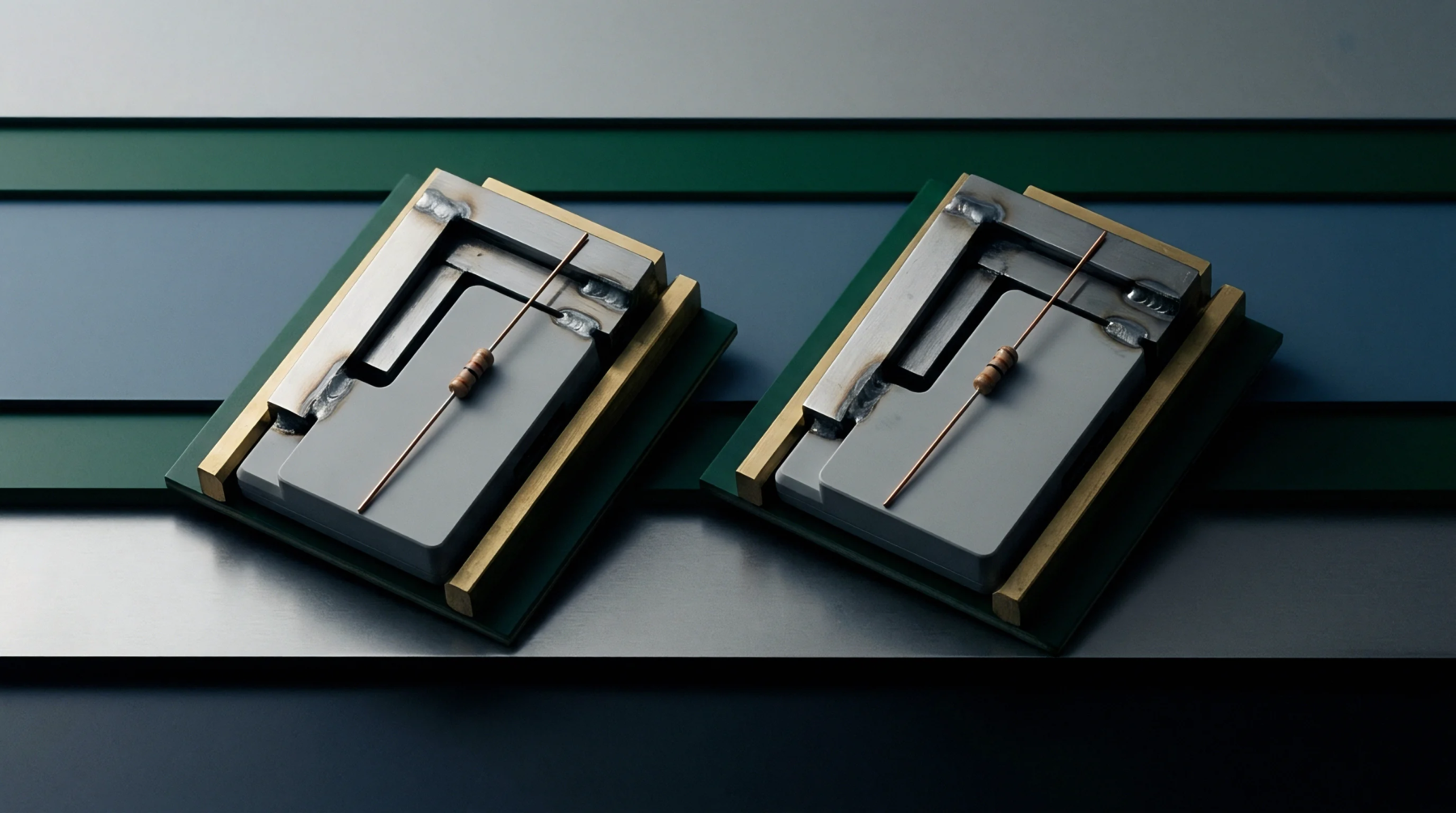
Copper density gradients across sequential lamination stackups drive severe shear stress during reflow, requiring thieving and balance rules to protect yield.
Sequential lamination elevates core dielectric constant through resin cure advancement, requiring pass-specific permittivity modeling to protect target impedance.

Sequential core lamination registration requires X-ray target vector mapping and dynamic affine drill scaling to maintain zero breakout microvia alignment.
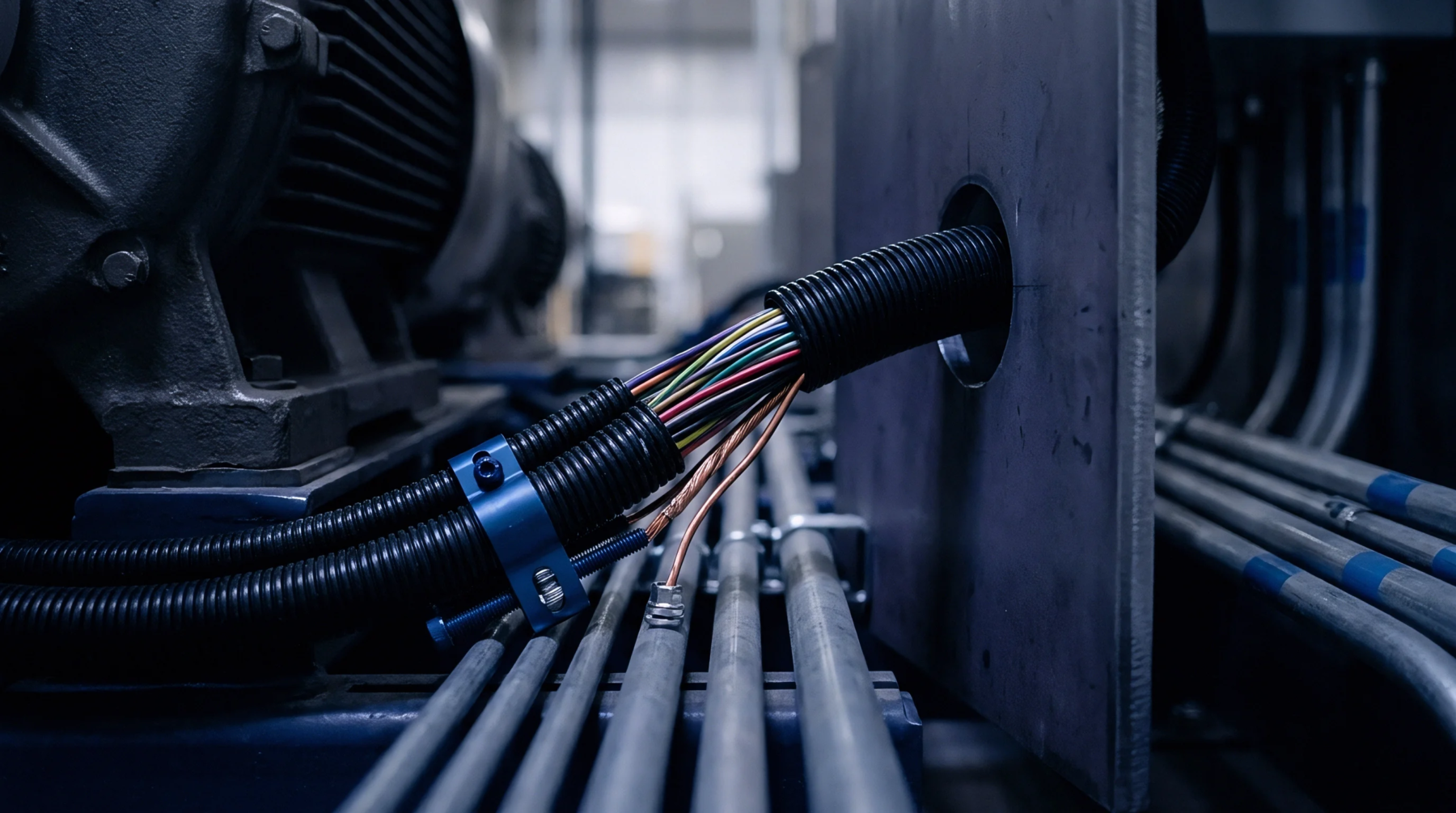
Thermal cycles in high density stackups drive copper recrystallization, causing grain growth and vacancy coalescence that trigger microvia interface failures.
Expertise is a utility, not a secret. sentiention™ publishes its working knowledge as open reference: intelligence layer covering the materials it sources, the markets it enters, and the reference that serves both.